China Launches Submarine Missile in Pacific Test — SkimNews

Get the Geopolitics newsletter
Daily geopolitics — wars, elections, sanctions, the diplomatic moves that move markets. Free.
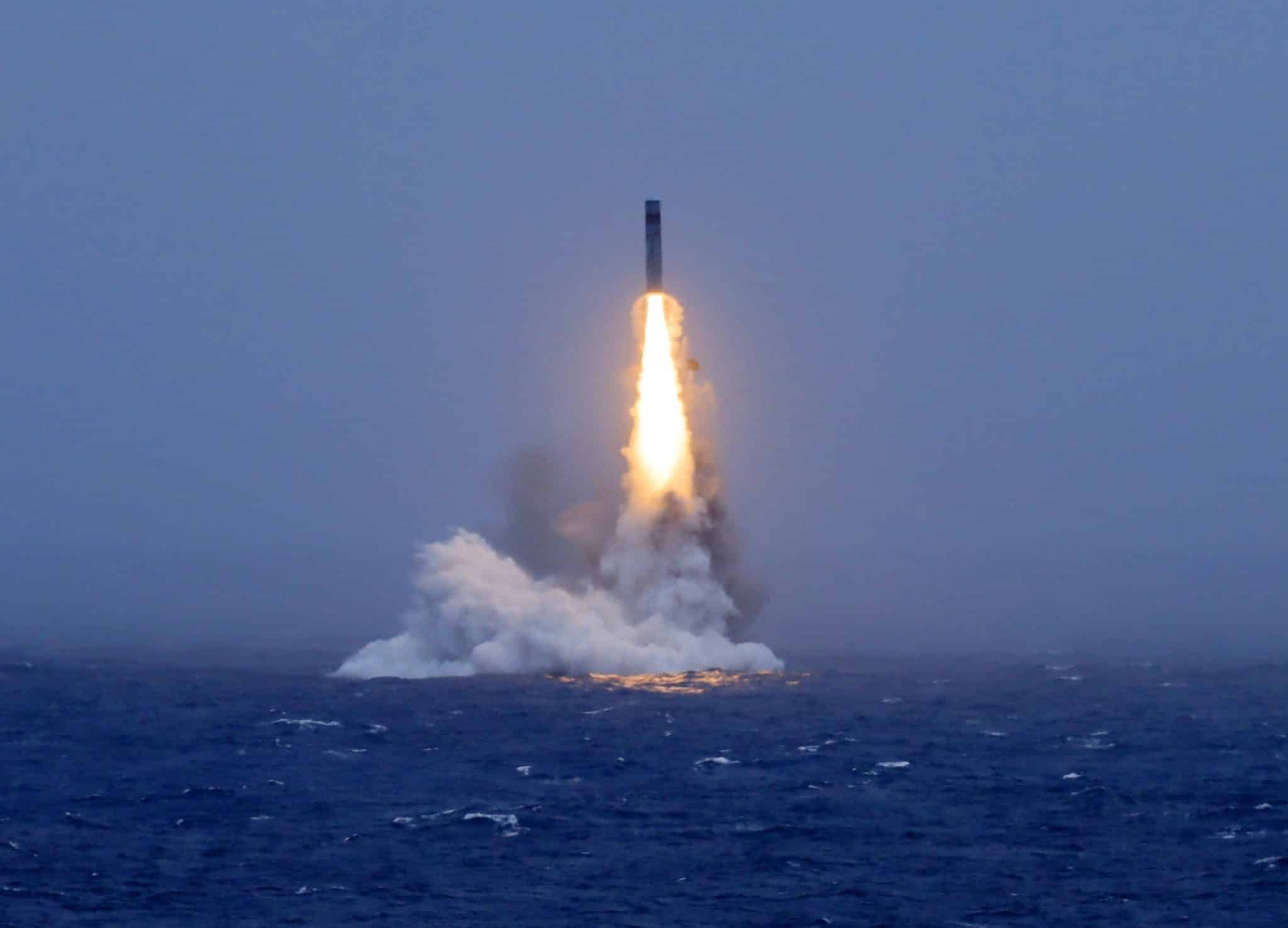
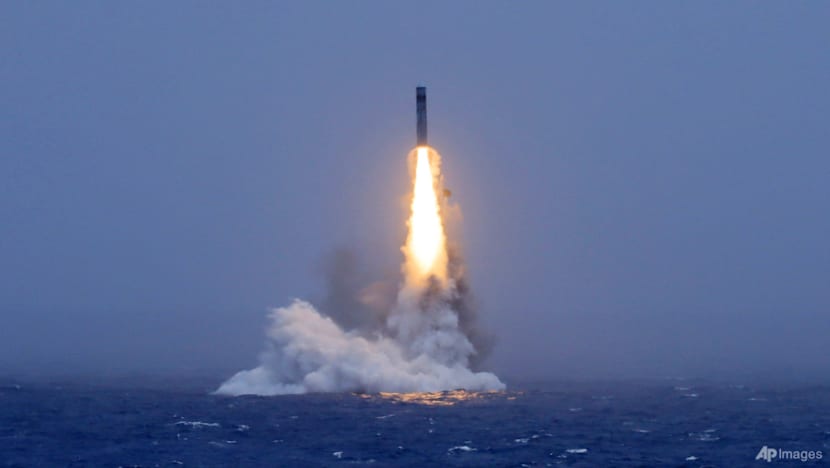
- China successfully launched a submarine-launched strategic missile carrying a 'training simulation warhead' into the South Pacific on July 6, with the missile accurately landing in designated waters.
- Chinese Foreign Ministry spokesperson Mao Ning stated the launch was part of 'routine annual military training,' consistent with international law and 'not directed at any particular country or target.'
- The PLA Navy likely used a Type 094 nuclear-powered submarine to launch either a JL-2 or JL-3 submarine-launched ballistic missile, with flight distance exceeding 7,000 kilometers and possible strike range covering the continental U.S.
- The JL-3 missile, believed to have a range over 10,000 kilometers and equipped with multiple independently targetable reentry vehicles, could allow China to strike the U.S. homeland from the South China Sea, enhancing its sea-based nuclear deterrence.
- U.S. strategic analysts must now treat the PLA Navy’s sea-based nuclear capability as a core component of China’s deterrent, not just the land-based Rocket Force, shifting intelligence and monitoring priorities.
- Taiwan may face indirect strategic effects as growing Chinese nuclear reach could complicate U.S. intervention decisions in a Taiwan Strait contingency, prompting greater regional anti-submarine warfare cooperation.
Why it matters: China’s demonstrated sea-based nuclear capability forces the U.S. to recalibrate its deterrence posture, as submarines armed with JL-2 or JL-3 missiles can now credibly threaten the mainland from nearby waters. This shifts strategic focus from land-based systems to undersea surveillance, increasing pressure on U.S. allies like Japan and the Philippines to enhance anti-submarine coordination in the Pacific.
Ask SkimNews