China's SLBM Test Edges Toward Permanent Sea-Based Deterrence — SkimNews
SkimNews Take
Continuous at-sea deterrence means maintaining an SSBN on patrol at all times, forcing China to adopt the same persistent operational tempo — and compressed crisis decision timelines — that have long shaped US and Russian nuclear postures.
Get the Geopolitics newsletter
Daily geopolitics — wars, elections, sanctions, the diplomatic moves that move markets. Free.
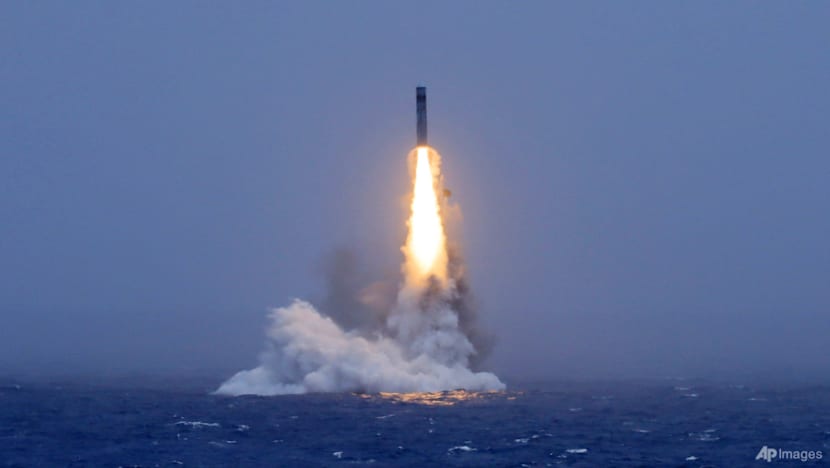
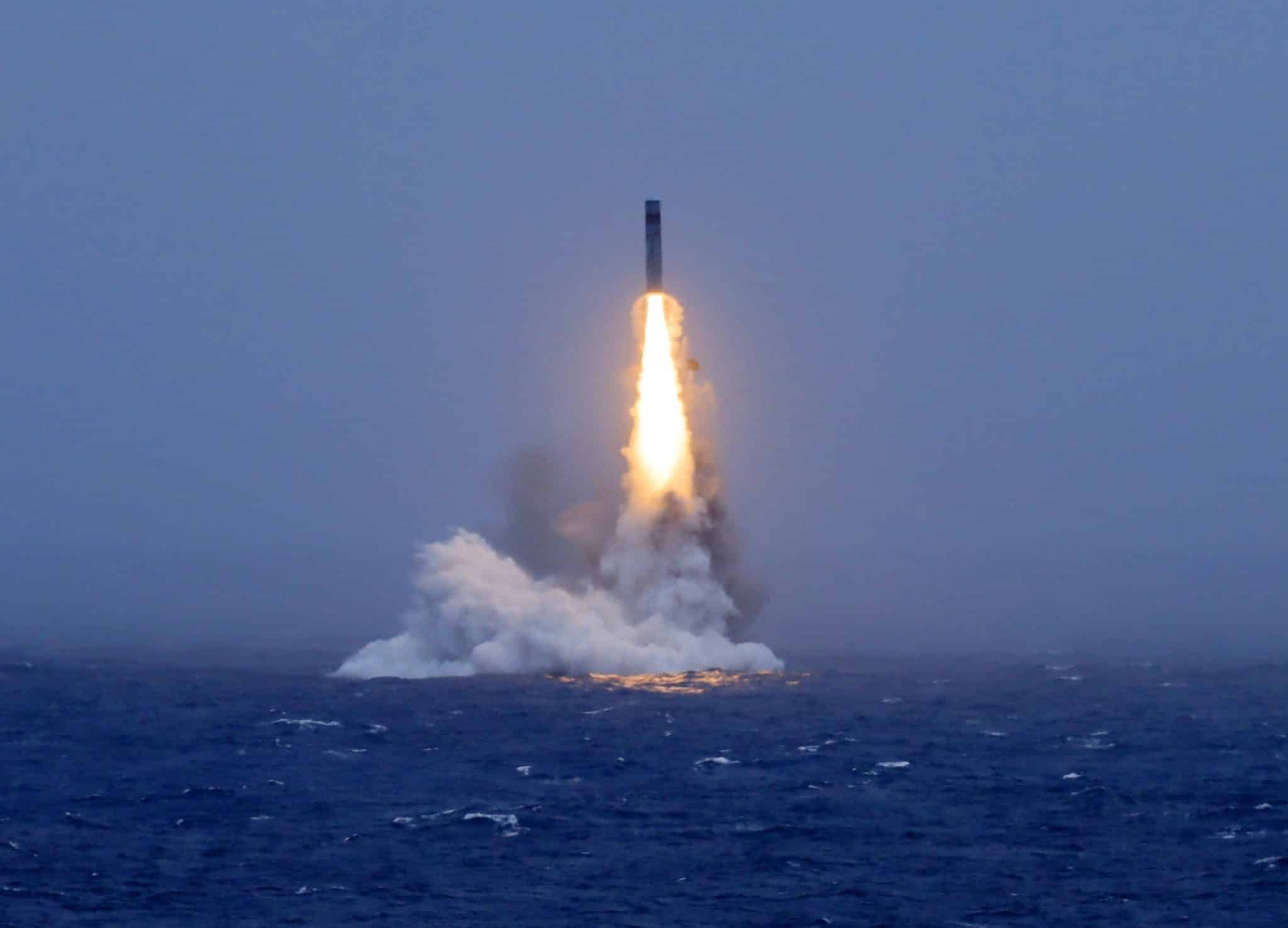
- China's PLA Navy launched an SLBM from a strategic nuclear submarine on July 6 at 12:01 p.m. Beijing time, firing a dummy warhead roughly 7,300 km from the South China Sea into open Pacific waters beyond Japan's exclusive economic zone but inside the broader Treaty of Rarotonga nuclear-free zone.
- Analysts Étienne Marcuz (FRS) and Alex Luck identify the missile as most likely a JL-2 and the launch platform as a Type 094A SSBN, with Luck calling a Type 096 launch 'no plausible possibility' due to the absence of any indicators those new boats have entered service.
- Marcuz said the launch had two stated purposes: a technical 'full-range' minimal-energy trajectory test that yielded reentry and accuracy data unobtainable from inland launches, and an operational demonstration that Beijing can mount second-strike attacks from South China Sea and Bohai Gulf submarine 'bastions.'
- Both analysts assessed the test as evidence China is moving toward a sustainable Continuous At-Sea Deterrence posture, with Marcuz envisioning future coordinated ICBM and SLBM launches from Hainan plus H-6N bomber integration resembling Russia's annual strategic-triad exercises.
- New Zealand Foreign Minister Winston Peters said the launch was inconsistent with the spirit and intent of the Treaty of Rarotonga; Luck argued engagement with Beijing should focus on formalizing routine notification, since China has not joined the Hague Code of Conduct and its July 6 advance notice was ad hoc.
- Navigational warnings suggested China may originally have planned more than one launch but only the South China Sea shot occurred — a 'notable' ambiguity, per Marcuz, for a test meant to demonstrate predictable and reliable deterrence.
Why it matters: Both cited analysts argue transparency, not missile range, is the unresolved variable: Luck pushes for formalizing routine Beijing notification so Pacific governments don't misread launches, while Peters already framed the July 6 shot as inconsistent with the Treaty of Rarotonga — meaning how Beijing manages political fallout will shape whether allied capitals treat its emerging SSBN force as a credible deterrent or as a recurring provocation.
Ask SkimNews