China Coal Output Climbs Despite 2,340 GW Renewables — SkimNews
Get the Energy newsletter
Daily energy & climate — solar, EVs, oil, the policy fights and tech bets shaping the transition. Free.
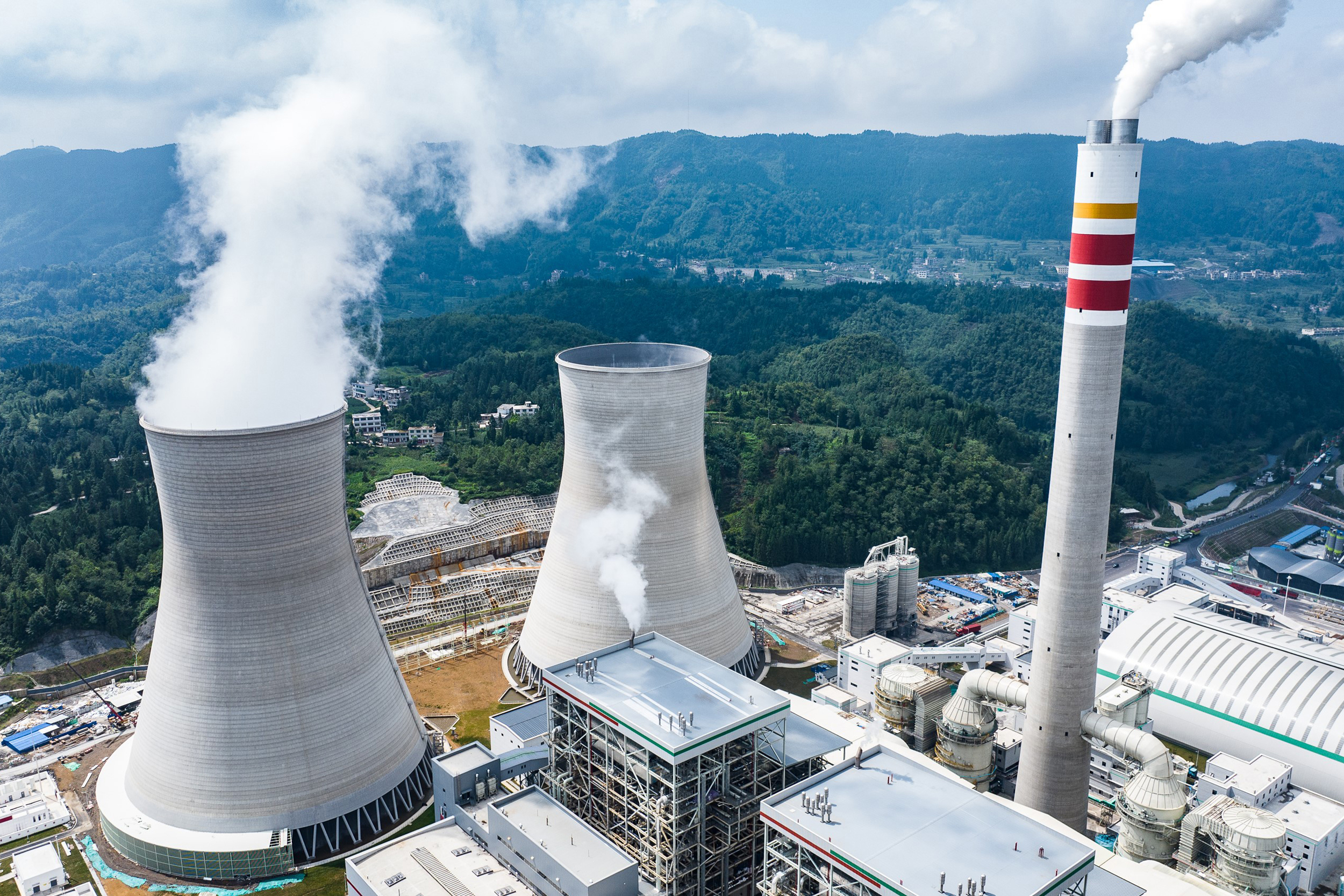
- China's coal-fired generation rose in the first four months of 2026, pushing power-sector emissions higher — though they remain below 2024 levels, per the National Energy Administration and CREA.
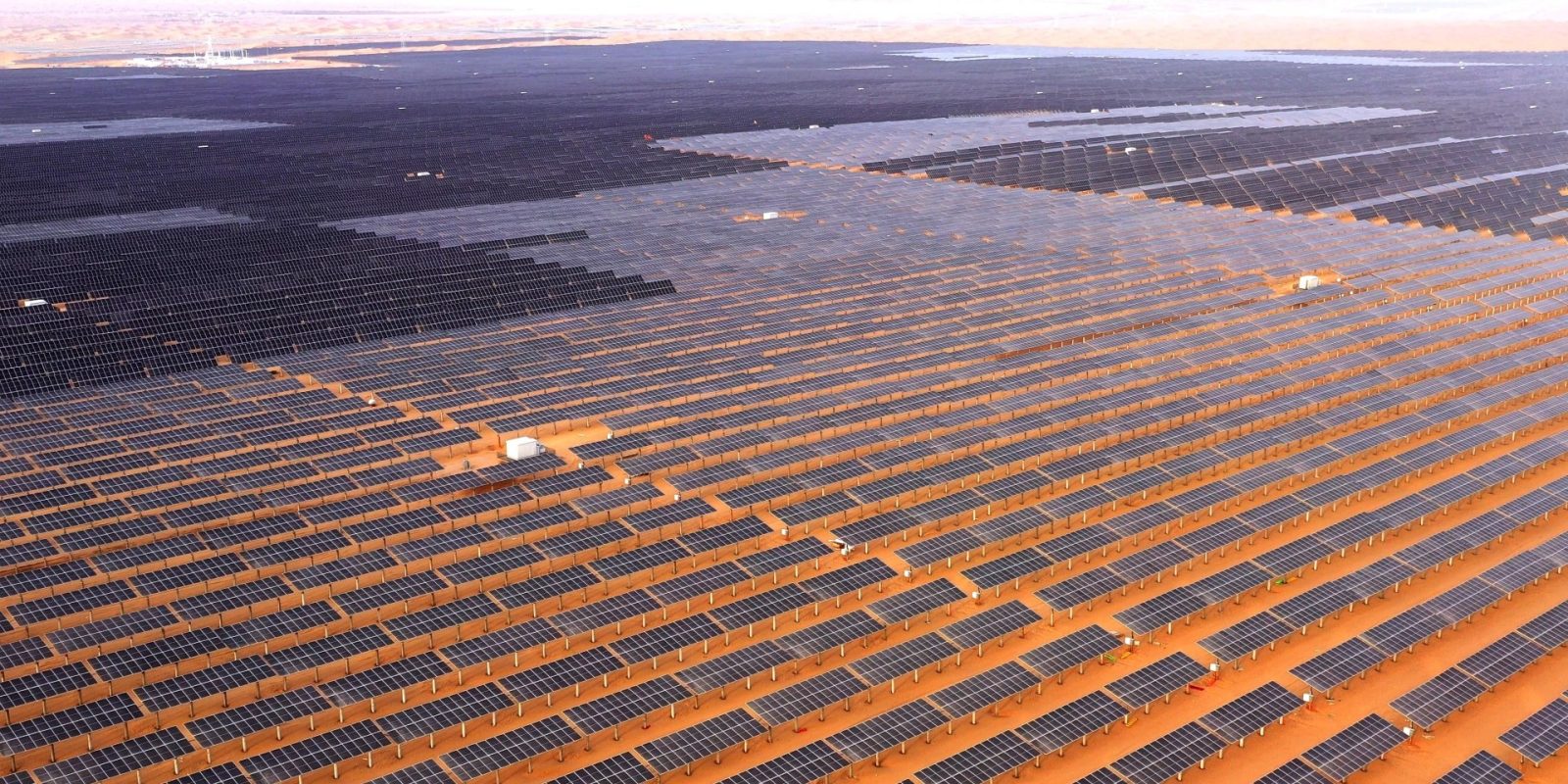
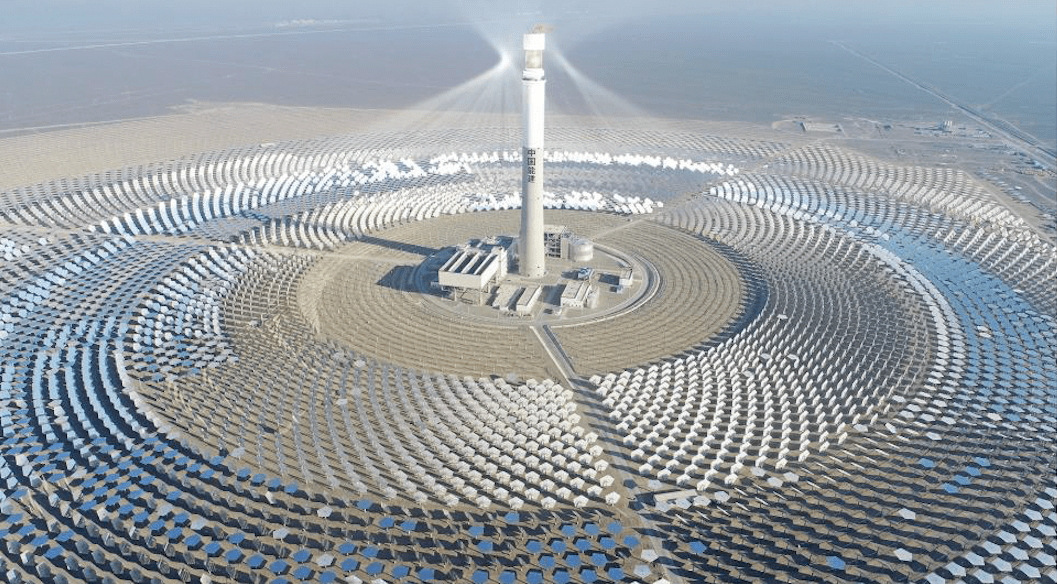
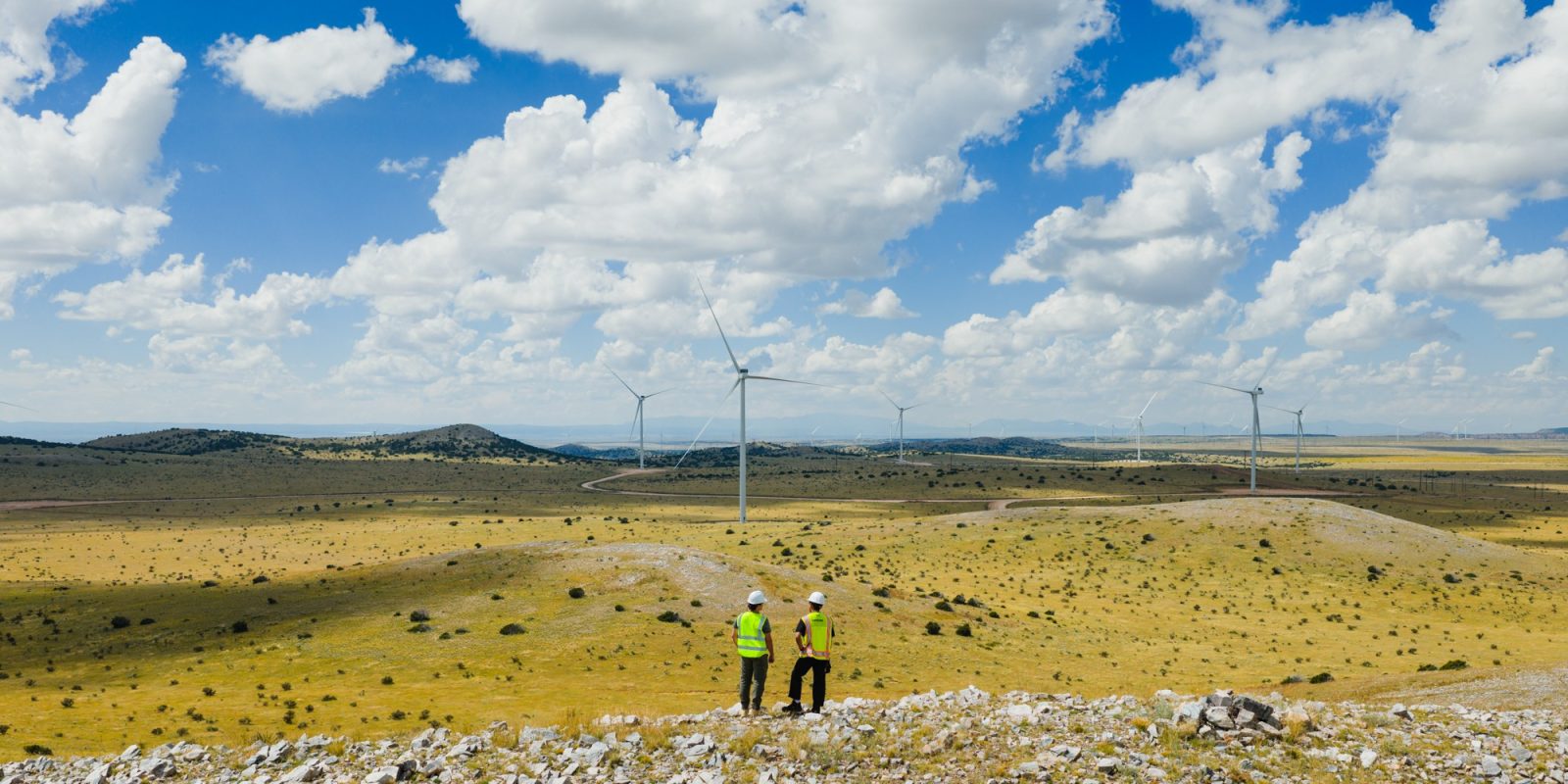
- China's installed renewable capacity reached 2,340 gigawatts in 2025, nearly 60% of total generating capacity, with combined wind and solar surpassing thermal power for the first time and helping drive the first annual power-sector emissions decline in over a decade.
- China's coal construction pipeline hit 94.5 GW started in 2024 (the highest since 2015), 78 GW commissioned in 2025 (the largest annual increase in a decade), and another 24 GW added in Q1 2026, while retirements ran at only about 3 GW last year.
- CREA analyst Qi Qin told Inside Climate News the coal rebound is likely driven by over-commissioning of new plants since 2024 rather than Strait of Hormuz tensions, and warned that many new coal plants operate under medium- and long-term contracts that give them an 'institutional advantage' over renewables.
- Local political incentives — coal-mining jobs and tax revenue in producing provinces, and wealthy eastern provinces' reluctance to import electricity from the west — continue to drive new coal approvals, creating what Qin called 'a huge problem in terms of the flexibility of China's energy strategy.'
- The human and environmental toll remains stark: a May gas explosion at a Shanxi coal mine killed 82 people (China's deadliest in 17+ years), about 2.7 million workers still depend on coal mining, and pneumoconiosis persists as a major occupational health crisis while coal remains China's largest source of greenhouse gas emissions.
Why it matters: With 78 GW of new coal capacity commissioned in 2025 and 24 GW more in Q1 2026 locked into utilization-guarantee contracts, China's renewables buildout now competes against a growing coal fleet with institutional advantages — meaning the country's 2030 emissions-peak goal faces structural headwinds from capital already deployed and local-government revenue dependencies, not just new construction approvals.
Ask SkimNews