China’s clean energy surge is starting to squeeze out coal — SkimNews
Get the Energy newsletter
Daily energy & climate — solar, EVs, oil, the policy fights and tech bets shaping the transition. Free.
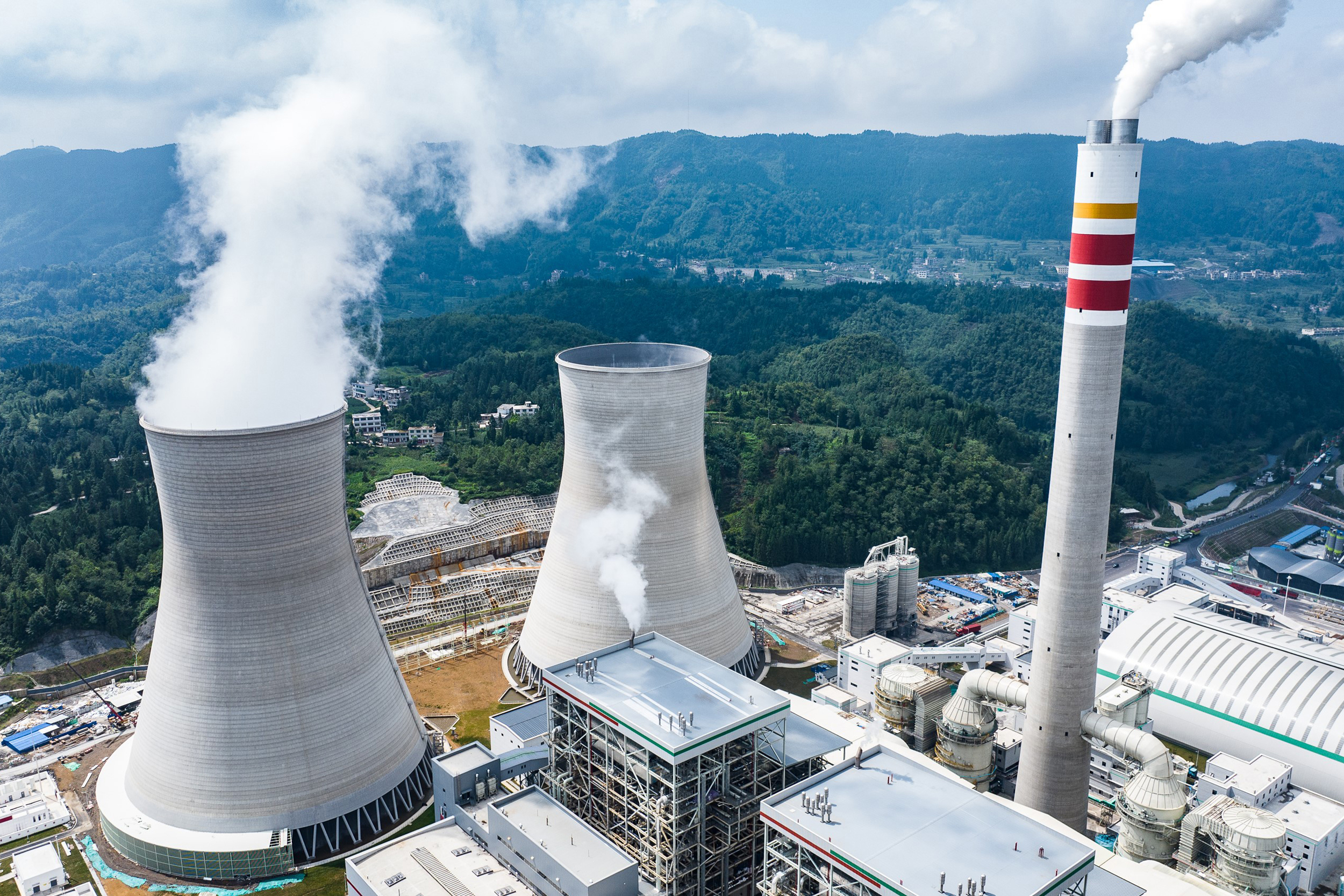
- Ember found that coal generation stopped growing in 17 of 26 Chinese provinces and regions, including industrial heavyweights Shandong and Hunan, which together account for more than half of China's thermal power capacity.
- Thermal generation (mostly coal) fell 0.7% in 2025 while electricity demand rose 5%, and coal generation has been flat on a 12-month rolling average since early 2024 — a pattern Ember says is structural, not a one-off.
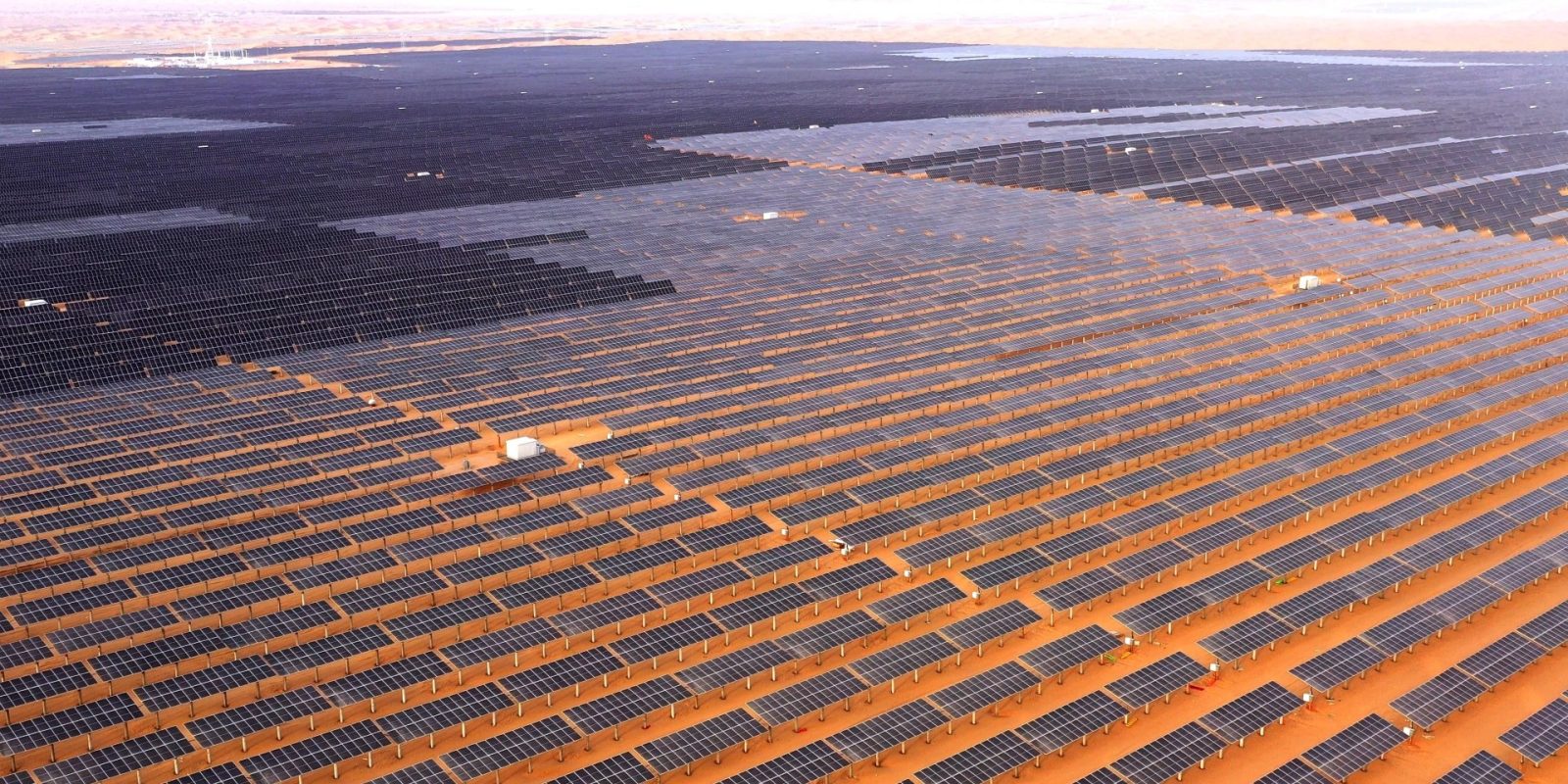
- Battery storage overtook pumped hydro as China's largest installed energy storage source at the end of 2024, then grew another 84% in 2025, with average utilization roughly doubling between 2022 and 2025 to help balance intermittent clean power.
- Electricity supplied 29% of China's final energy consumption in 2024, up from 22% in 2015, compared with roughly 23% in Europe and 21% in the US, and Ember's Dr. Muyi Yang says fossil fuel use has already peaked in 8 of 11 industrial sectors tracked.
- Electric passenger cars reached 67% of new-car sales in June 2026, and 9 of every 10 electric trucks sold worldwide in 2025 were sold in China, with electric trucks hitting 26% of China's new truck sales.
- China's EV fleet displaced an estimated 400,000 barrels per day of gasoline demand in 2024 — quadruple the roughly 100,000 bpd displaced in 2020 — and combined electrification avoided at least 1 million bpd of oil demand, cutting exposure in an economy that still imports over 70% of its oil.
- China's clean technology exports topped $220 billion in 2025 and rose to 6.6% of all Chinese exports in the first half of 2026, up from 2.7% in 2020, meaning former fossil-fuel suppliers are now importing the technologies eroding their markets.
Why it matters: China drove roughly half of all global oil demand growth and over 90% of coal demand growth from 2000 to 2025, so its pivot directly threatens every fossil fuel producer's long-term forecast. Avoiding 1 million barrels per day of oil demand also weakens the leverage of supply shocks on an economy that still imports over 70% of its oil.
Ask SkimNews