China’s falling emissions amid Iran war spark hope of decarbonisation watershed — SkimNews

Get the Geopolitics newsletter
Daily geopolitics — wars, elections, sanctions, the diplomatic moves that move markets. Free.
- China's CO2 emissions dropped 1% in the quarter after the US-Israeli war on Iran began, driven by a 9% fall in overall oil use and a 16% drop in transport-sector oil consumption.
- China cut oil imports by 32% — roughly 1 million barrels per day — with about two-thirds of the reduction coming from drawing down strategic stockpiles and the remaining third from reduced demand.
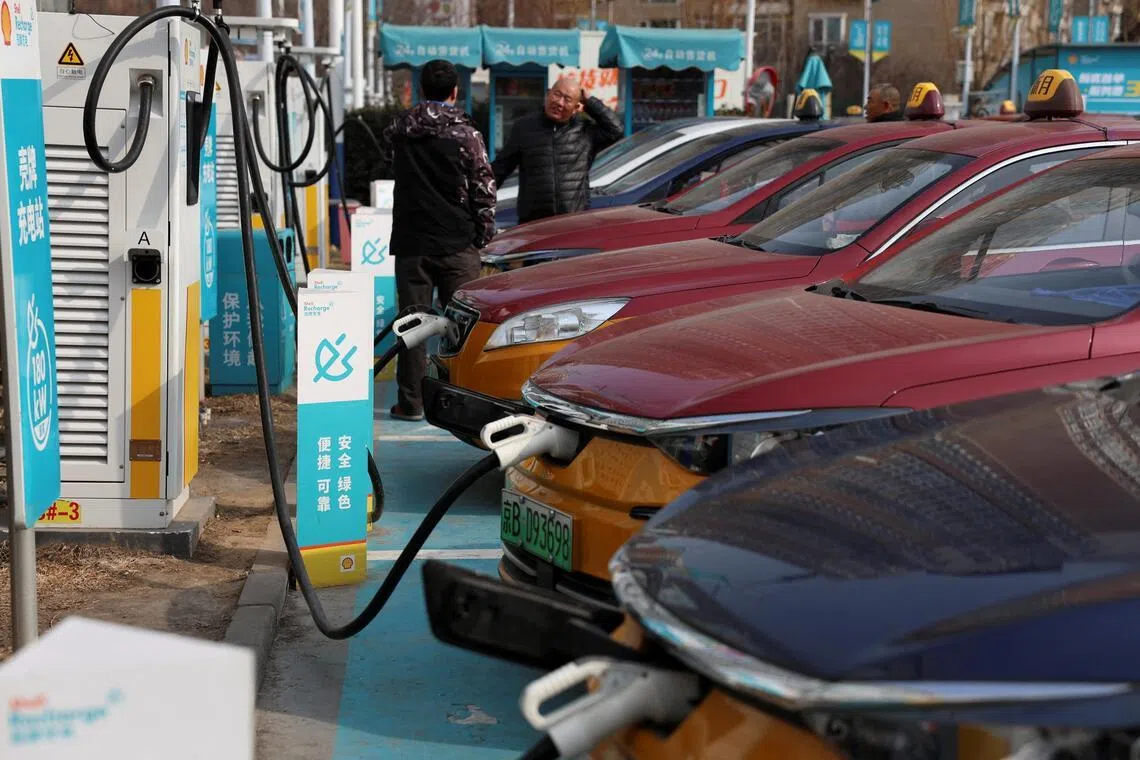
- Despite cutting imports, China increased overall transportation use through a surge in electric vehicles, buses, trains, and trucks, displacing an amount of oil equivalent to the UK's entire six-month consumption in the first half of 2026.
- Lauri Myllyvirta, lead analyst at the Centre for Research on Energy and Clean Air, said this marked the first time China's overall emissions fell due to reduced oil use rather than reduced coal consumption, calling it validation of China's energy security strategy.
- Coal generation actually rose during the quarter because of grid adaptation delays that caused considerable wastage of wind and solar power, though analysts said the longer-term trend still points away from fossil fuels.
- Dr Muyi Yang of Ember said a fossil fuel peak is coming into view at China's provincial and sectoral level, arguing the Iran crisis reinforces the case that reducing oil-import exposure is the only effective strategy against geopolitical supply risks.
Why it matters: Global oil prices surged roughly 60% after the first US airstrikes in late February, yet China's 1-million-barrel-per-day demand reduction helped stabilize markets — and analysts say the transport shift to EVs is permanent even if prices fall, accelerating decarbonization in the world's largest emitter and validating China's bet that electrification insulates it from geopolitical supply shocks.
Ask SkimNews