North Korea Deploys Missile Unit to Russia for Ukraine War — SkimNews
Get the Geopolitics newsletter
Daily geopolitics — wars, elections, sanctions, the diplomatic moves that move markets. Free.
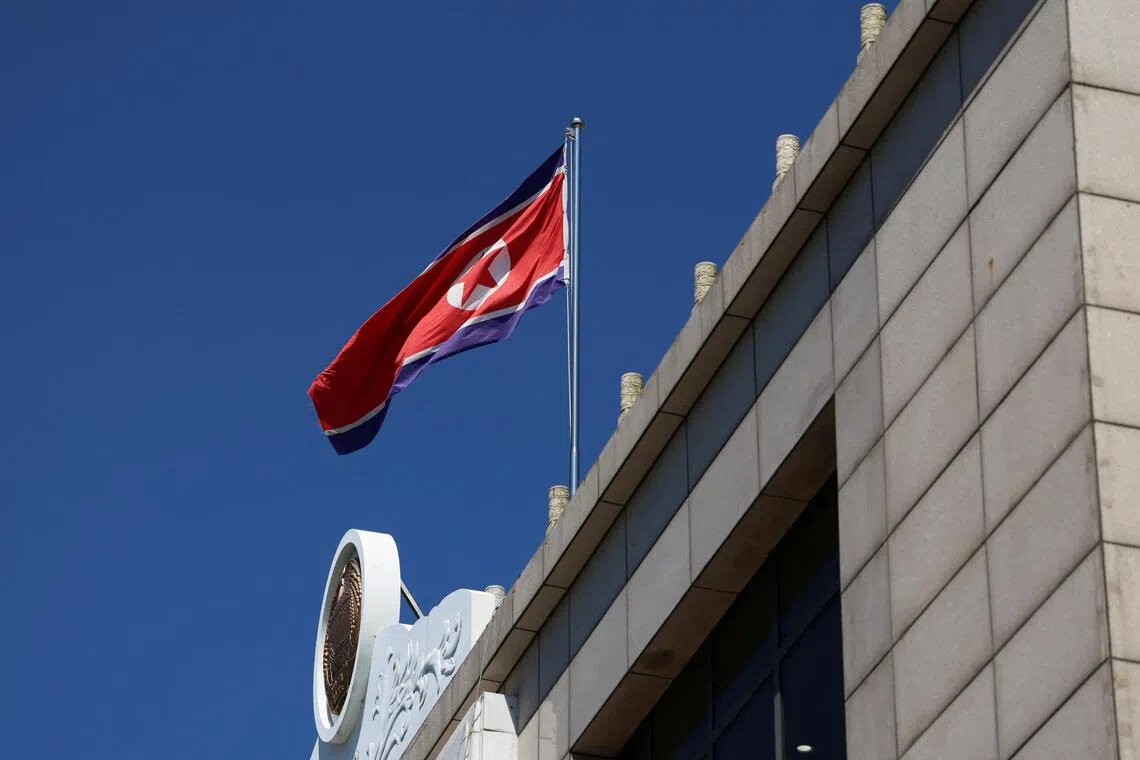
- Ukraine's GUR military intelligence agency said a North Korean missile unit with roughly 90 personnel is deploying to Russia's Voronezh region and could field up to 120 ballistic missiles and six launchers, though Reuters could not independently verify the claims.
- President Volodymyr Zelenskyy said in July that Russia wanted to bring in another 30,000 North Korean troops and was preparing facilities in Voronezh to receive them.
- Around 9,500 North Korean troops remain in Russia's Kursk region as of this month, according to the Ukrainian official, though they are not currently directly engaged in operations against Ukraine.
- Russia and North Korea confirmed in April 2025 that North Korean troops fought Ukrainian forces in Kursk, with Russia's top military commander praising their role after Moscow said it had retaken the territory.
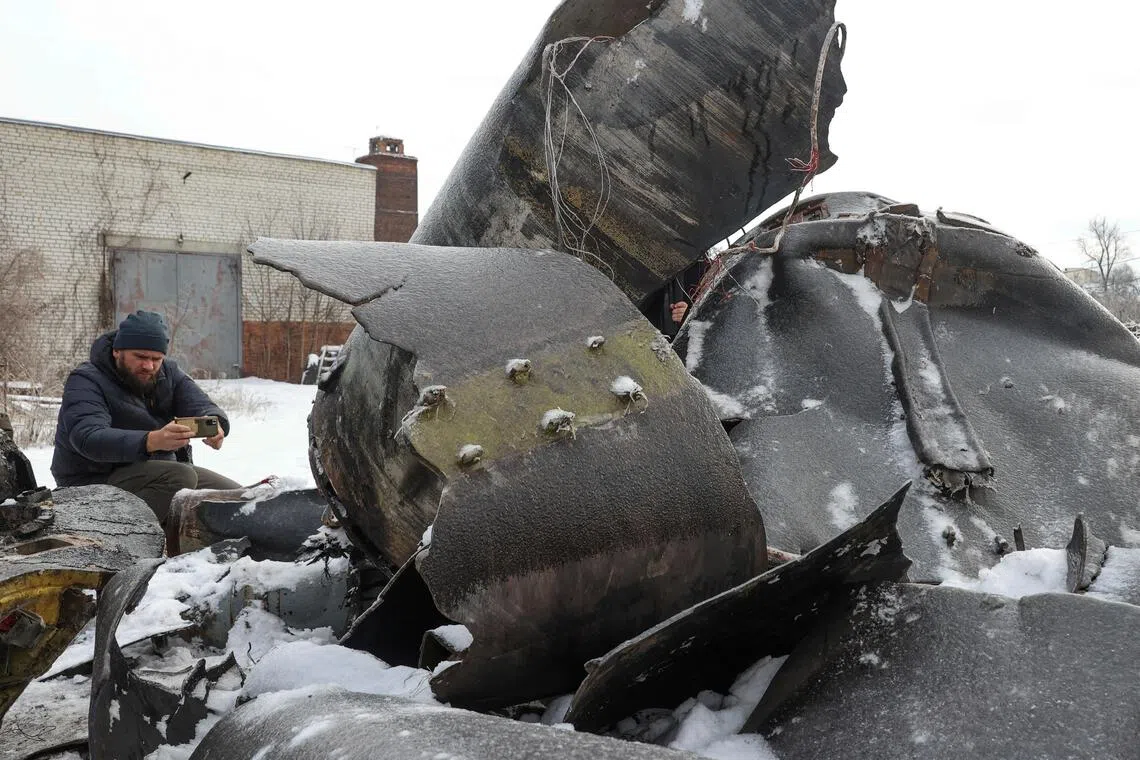
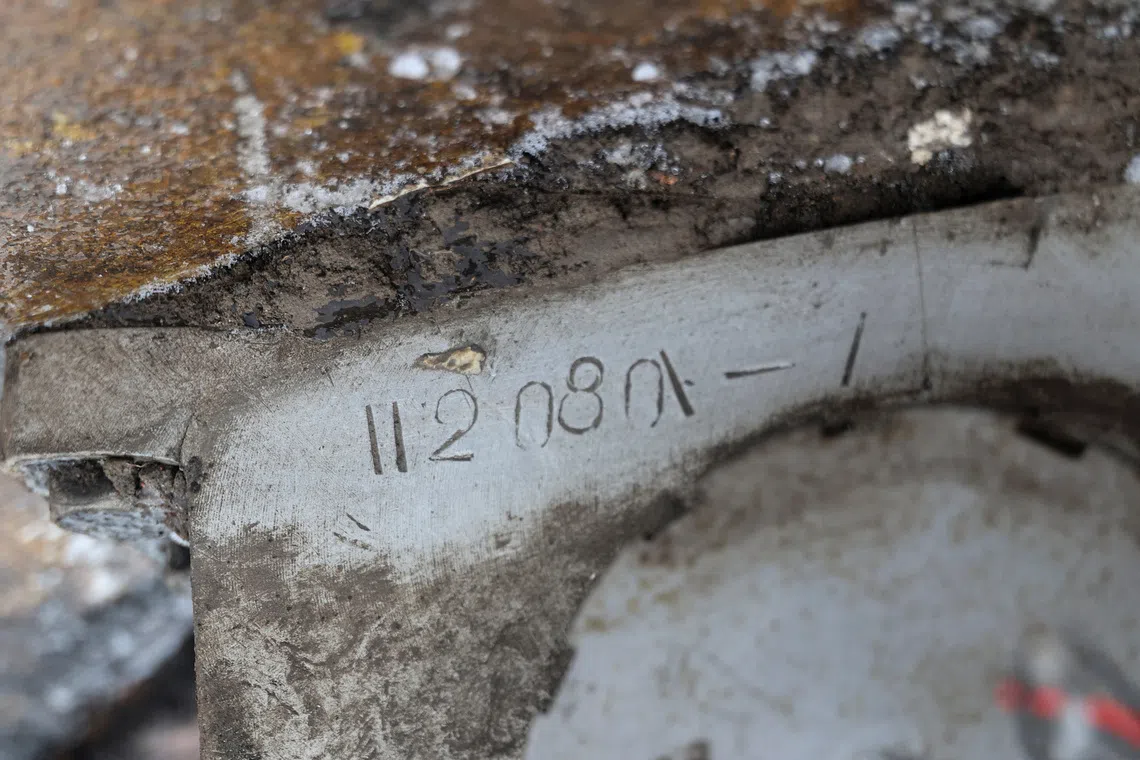
- North Korea supplies roughly half of the munitions Russia needs on the front lines, including 148 KN-23 and KN-24 ballistic missiles and 4 million artillery shells since mid-2023, according to Ukrainian and independent assessments.
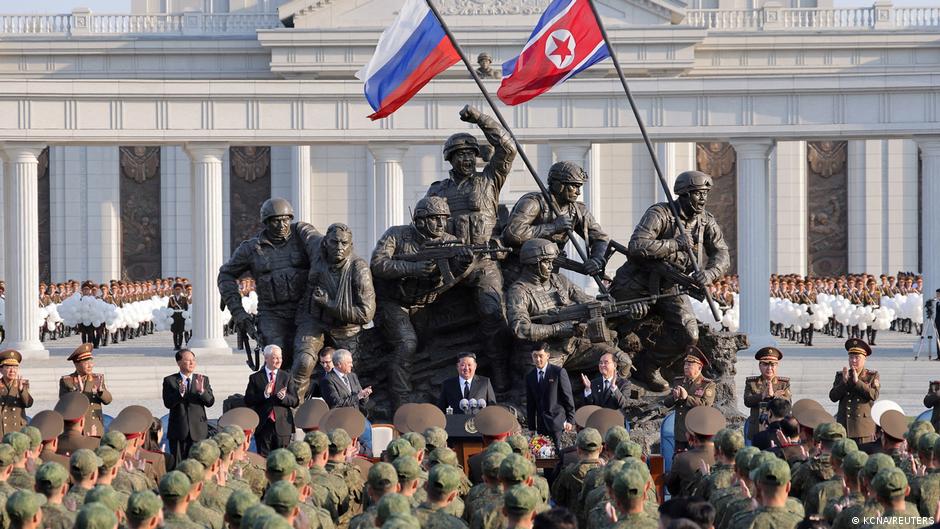
- Putin and Kim Jong Un signed a comprehensive strategic partnership treaty in June 2024 that includes a mutual assistance provision if either country faces external aggression, which Pyongyang cites as justification for its involvement.
- The United States imposed additional sanctions in December 2024 on North Korean and Russian entities tied to the military cooperation, and NATO has said the Moscow-Pyongyang axis extends threats beyond Europe to the Indo-Pacific and North America.
Why it matters: North Korea now supplies roughly half of Russia's frontline munitions and is adding a ballistic missile unit to the fight, meaning a country under U.N. sanctions since 2006 is materially extending a war in Europe. NATO has formally linked the threat to the Indo-Pacific and North America, signaling the alliance views the Moscow-Pyongyang military convergence as a strategic shift, not a regional matter.
Ask SkimNews