U.S. Military Launches Iran Blockade on April 13 — SkimNews
Get the Geopolitics newsletter
Daily geopolitics — wars, elections, sanctions, the diplomatic moves that move markets. Free.
- U.S. military began a blockade of all maritime traffic entering and exiting Iranian ports on April 13.
- President Trump announced the blockade on April 12 after American and Iranian negotiators failed to reach an agreement in Islamabad.
- Emma Salisbury notes that enforcing a blockade in the Strait of Hormuz is operationally complex due to its narrow (21‑mile) width, congestion, and proximity to hostile Iranian territory.
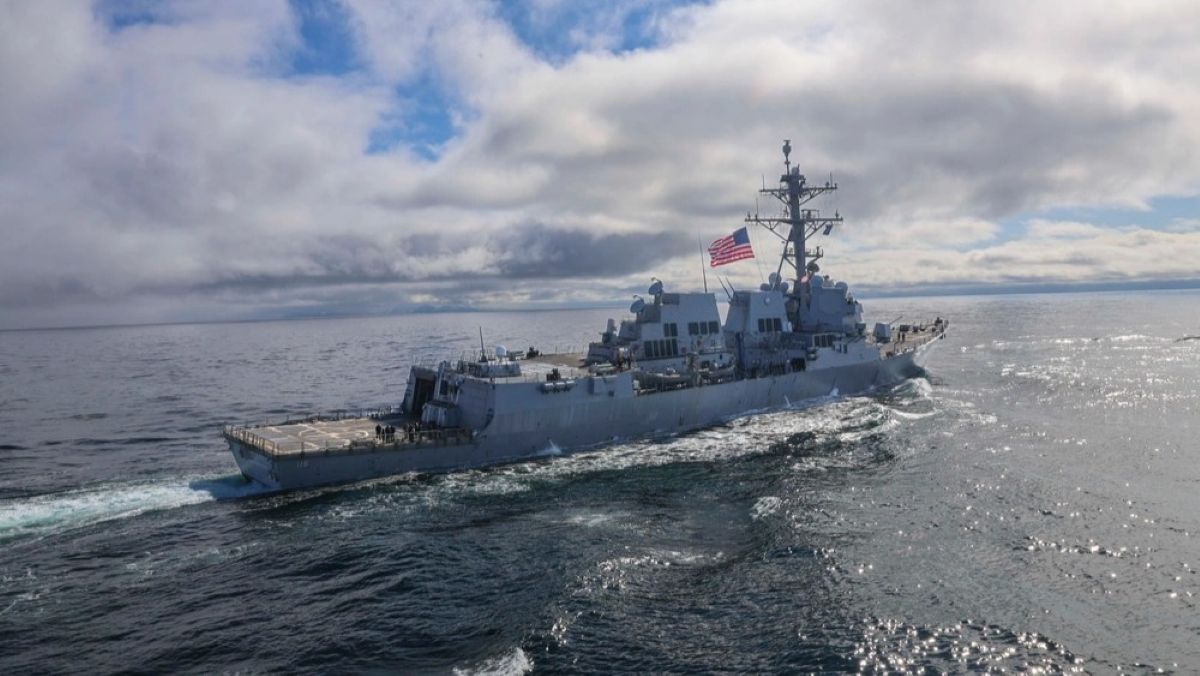
- Emma Salisbury says the U.S. Navy would need surface combatants—likely Arleigh Burke‑class destroyers—to provide visible presence, air defense, and interdiction for exclusion zones.
- Emma Salisbury adds that carrier air wings (F/A‑18 Super Hornets, E‑2D Hawkeyes) and Air Force assets would be required for continuous air superiority to suppress Iranian air and missile threats.
- Emma Salisbury emphasizes that persistent ISR via P‑8 Poseidons and surveillance drones would be needed to monitor transiting vessels, separate legitimate from illicit traffic, and detect potential threats.
- Jennifer Parker notes that the analysis is members‑only content on War on the Rocks, indicating exclusive expert insight.
Why it matters: The blockade obliges the U.S. Navy to deploy costly surface ships, carrier groups, and surveillance assets to the Hormuz chokepoint, straining military resources while disrupting Iran’s maritime trade and raising concerns for the global economy, benefitting U.S. strategic pressure but harming shipping firms.
Ask SkimNews


