Takaichi Rushes to Brief Trump Ahead of Xi Summit — SkimNews
Get the Geopolitics newsletter
Daily geopolitics — wars, elections, sanctions, the diplomatic moves that move markets. Free.
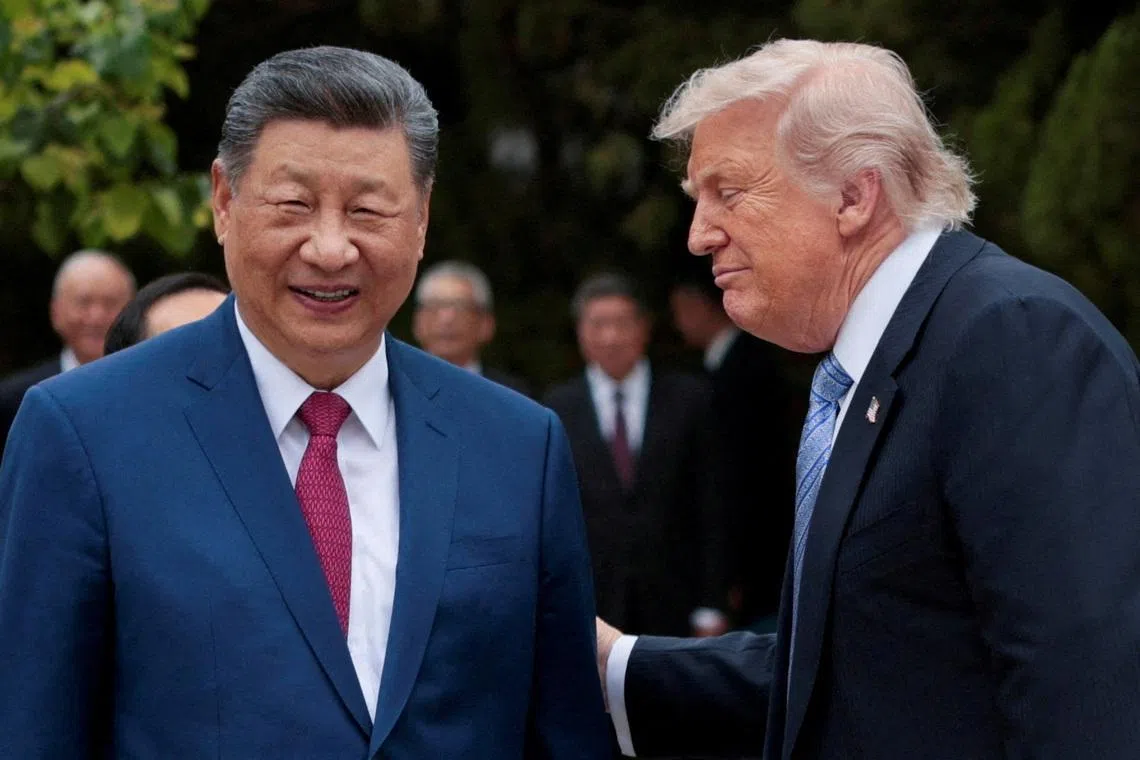
- Takaichi moved her UN General Assembly speech up by two days specifically to meet Trump before his Sept 24 summit with Xi, and will use the address to call for removing "enemy state" language against Japan from the UN charter — language China has highlighted in its pressure campaign against Tokyo.
- China retaliated against Takaichi's November remarks calling a potential Taiwan invasion an "existential threat" to Japan by restricting rare earth mineral supplies to Tokyo and blacklisting many Japanese companies, forming the backdrop for the US-Japan coordination on AI, semiconductors, and critical minerals.
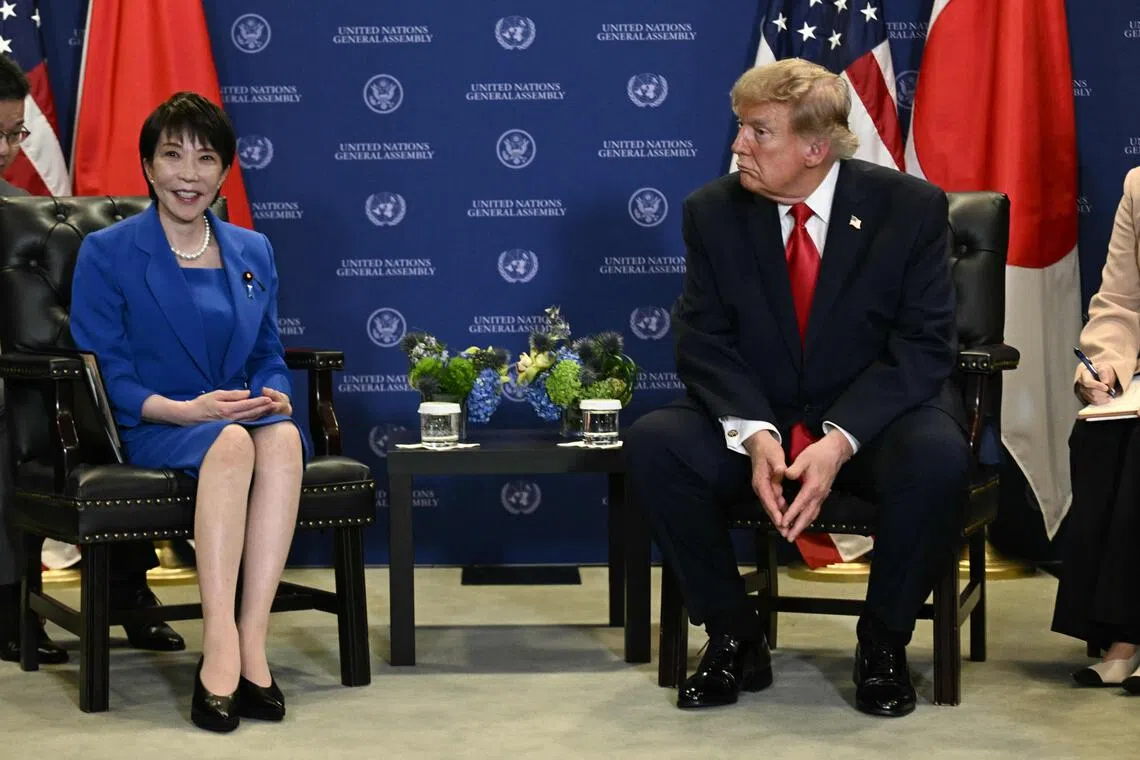
- Trump and Takaichi held about 30 minutes of talks on Sept 22, during which Takaichi raised the US sanctions on Japanese ICC head Tomoko Akane; deputy spokesman Masano Ozaki described the exchange as "frank," suggesting ongoing disagreement rather than resolution.
- Tokyo is considering raising defense spending to 3.5% of GDP — joining NATO and South Korea at that target — though Ozaki said Trump made no specific spending request during the meeting; both leaders "confirmed" efforts to strengthen alliance deterrence and response capabilities.
- The leaders discussed Japan's $550 billion US investment pledge, made in return for tariff reduction from Trump, and the "current global financial situation" following unprecedented joint US-Japan intervention to support the yen amid Japan's flailing currency.
- Both leaders reaffirmed a "firm commitment" to North Korea's complete denuclearization, though Ozaki noted "some disagreements on sanctions and monetary policy."
Why it matters: Takaichi's decision to rush her UN speech by two days to brief Trump before the Sept 24 Xi summit shows China has already extracted a concrete cost: rare earth export curbs and corporate blacklisting triggered by her November Taiwan remarks. Tokyo is countering by anchoring the relationship to a $550 billion US investment pledge while coordinating currency support for the yen — effectively tying alliance value to financial commitments ahead of the summit.
Ask SkimNews