Takaichi Heads to White House Amid China, Energy, Defense Woes — SkimNews
Get the Geopolitics newsletter
Daily geopolitics — wars, elections, sanctions, the diplomatic moves that move markets. Free.
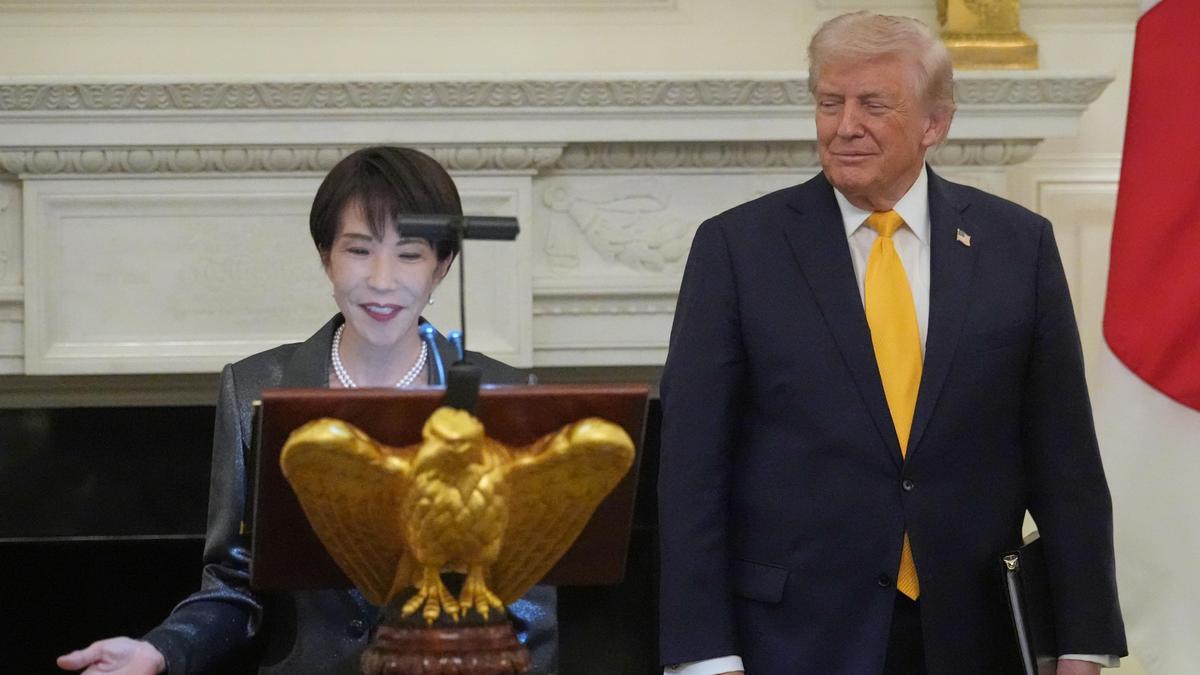
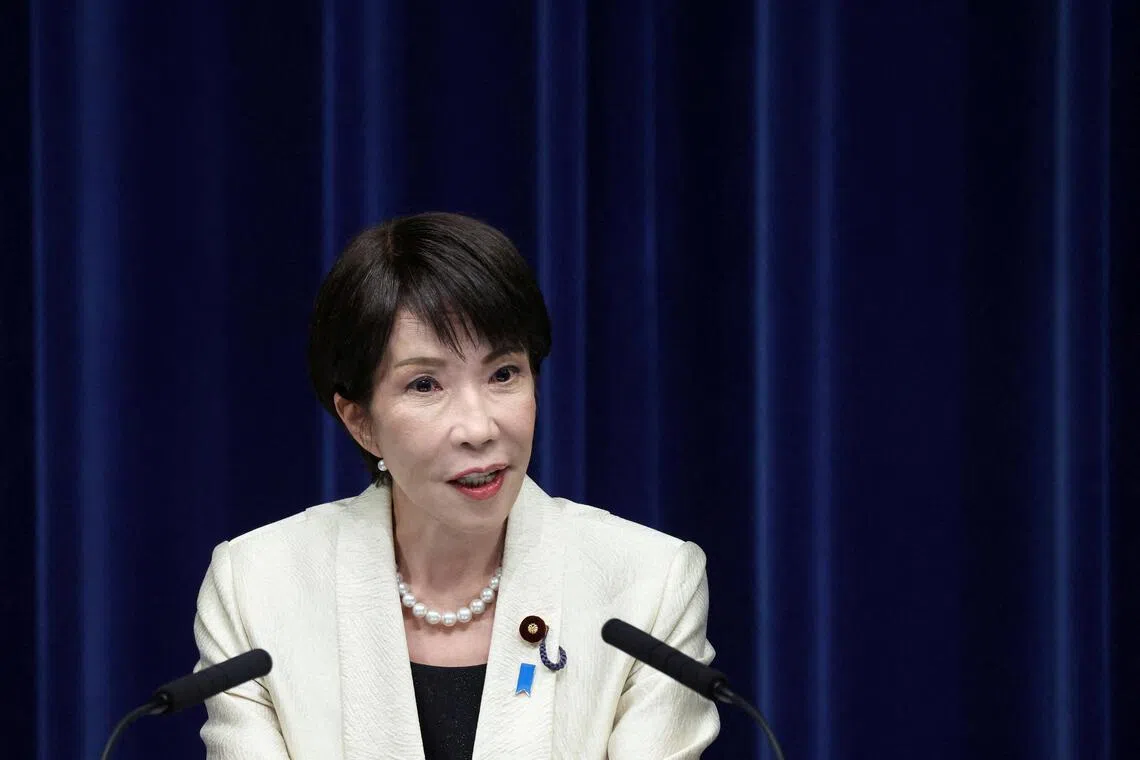
- Sanae Takaichi is set to meet Donald Trump at the White House on 19 March, their second summit since October 2025, when — six days into her tenure as Japan's first woman prime minister — the two leaders declared a "new golden age" for the alliance.
- Tensions with China flared after Takaichi's 7 November remarks that a war over Taiwan could trigger Japan's collective self-defense; Beijing reacted furiously, and Trump's refusal to publicly back Tokyo in the dispute has raised fears he is angling for a Beijing deal — Trump is set to travel to China on 31 March.
- The new U.S. National Security Strategy and National Defence Strategy have stopped naming China as a strategic competitor and now prioritize the Western Hemisphere and homeland security, deepening Tokyo's doubts about U.S. commitment to the first-island chain.
- Takaichi has pledged to hit 2% of GDP on defense a year ahead of schedule, but that still trails Washington's 3.5% demand — and the 5% figure some officials call the "gold standard."
- Japan imports roughly 95% of its oil from the Middle East, with 70% transiting the Strait of Hormuz, leaving the country acutely exposed to price shocks and inflation if the regional conflict drags on.
- The U.S. military campaign against Iran has laid bare a widening U.S.-Japan values gap: Japan continues to formally oppose "unilateral use of force to change the status quo," a stance Takaichi must defend even while pressing Trump on the Middle East.
Why it matters: Takaichi arrives at the White House freshly strengthened by an 8 February electoral landslide and personal rapport inherited from Shinzo Abe, yet she must extract concrete reassurance on three fronts at once — a Trump administration rewriting its own China policy, a 95% Middle Eastern oil import bill that runs through the Strait of Hormuz, and a defense budget still 1.5 to 3 percentage points of GDP below Washington's ask. If she returns home with a presidential silence on Taiwan and no energy hedge, her military modernization pledge becomes harder to fund and Tokyo's security guarantees look thinner on paper.
Ask SkimNews