Takaichi Deflects Iran Demands, Wins Trump Praise — SkimNews

Get the Geopolitics newsletter
Daily geopolitics — wars, elections, sanctions, the diplomatic moves that move markets. Free.
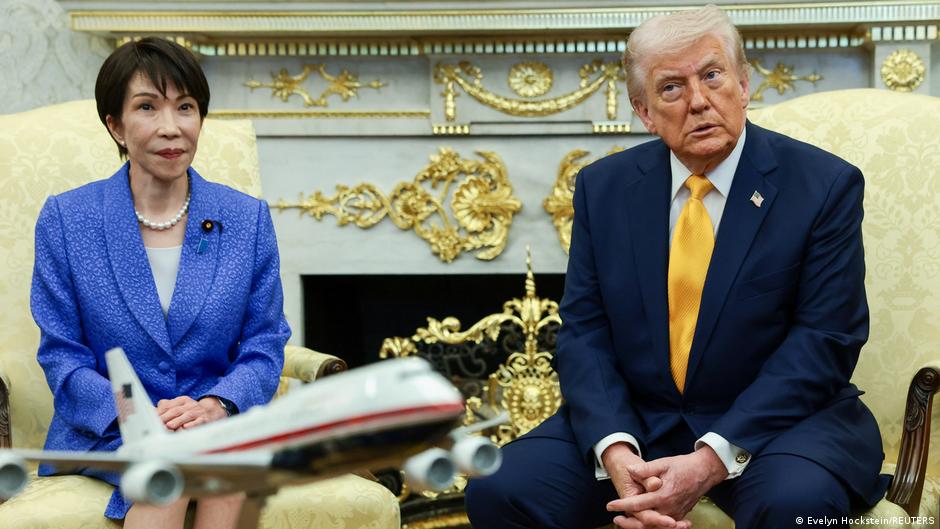
- Takaichi Sanae refused Trump's pre-summit demand to deploy Japanese minesweepers in the Strait of Hormuz, citing Japan's lack of legal authority to send armed forces into a war it is not party to.
- Trump praised Japan as a "model ally" compared to NATO on Iran, while downplaying his need for allied help by claiming the war is "ahead of schedule" and Iran's military capabilities have been "demolished."
- The US and Japan announced plans to build small modular reactors in Tennessee and Alabama (~$40 billion) and natural gas facilities in Pennsylvania ($17 billion) and Texas ($16 billion).
- Both governments released a critical mineral price floor action plan and a deep sea mining cooperation MOU covering Japan's project to mine rare earth-rich mud off Minamitorishima island.
- Trump told reporters he would "speak Japan's praises" at his upcoming China summit, offering reassurance as Beijing maintains export controls on Japan over Takaichi's November comments on a Taiwan contingency.
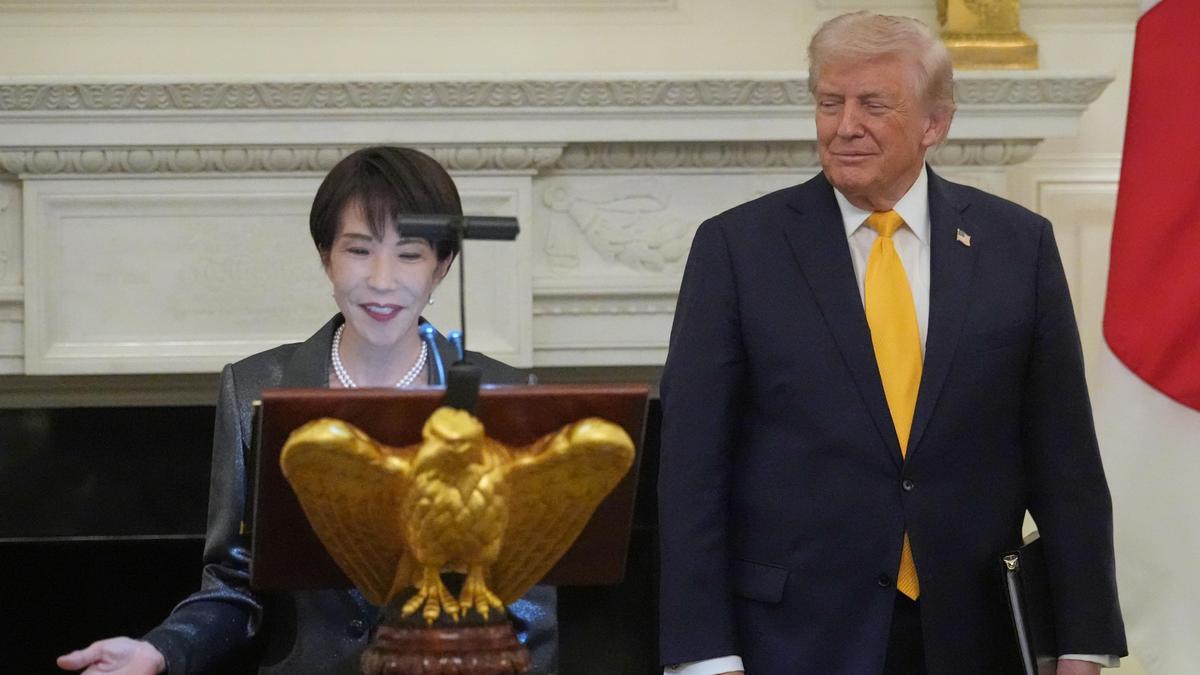
- Trump compared the US surprise attack on Iran to Japan's 1941 strike on Pearl Harbor, breaking a decades-long taboo and creating the summit's most tense moment.
Why it matters: Takaichi walked into a summit where Trump was publicly demanding concrete Japanese military contributions to the Iran war and walked out with a warm personal rapport, ~$73 billion in announced energy and critical minerals projects, and a public Trump commitment to advocate for Japan in his delayed China summit. The minesweeper standoff was defused with flattery and vague energy cooperation language, leaving Japan's potential military role unresolved for another day.
Ask SkimNews