Takaichi Wins Security Pledges, $73B Deals at Trump Summit — SkimNews
Get the Geopolitics newsletter
Daily geopolitics — wars, elections, sanctions, the diplomatic moves that move markets. Free.
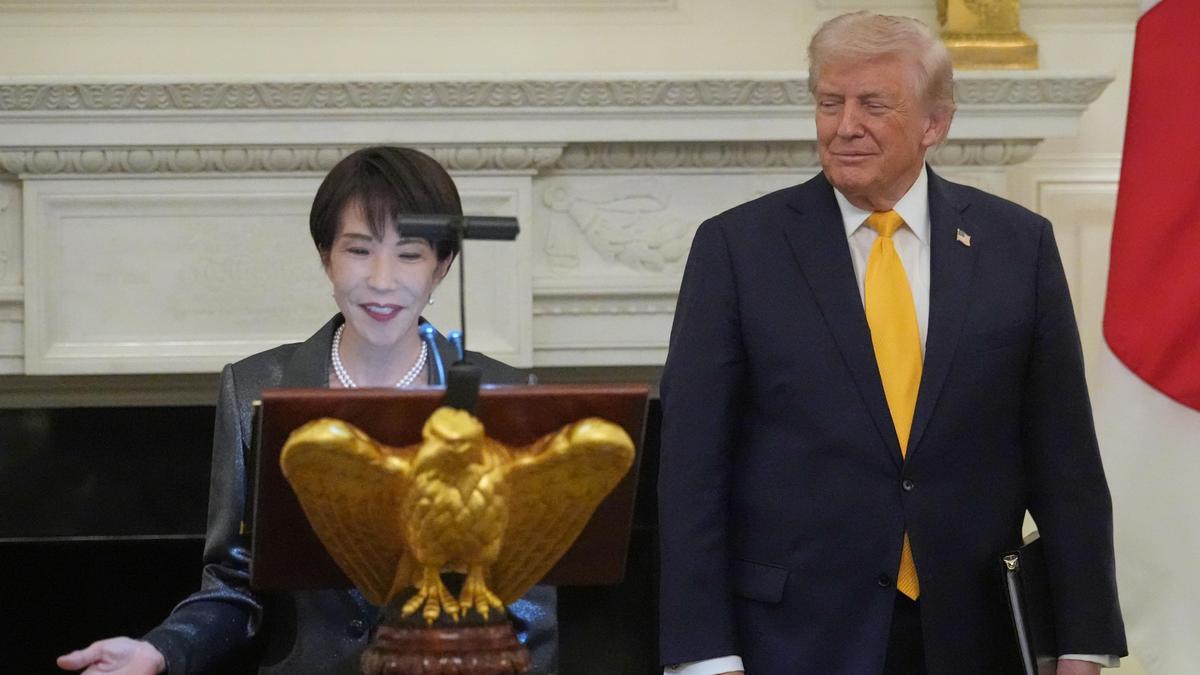
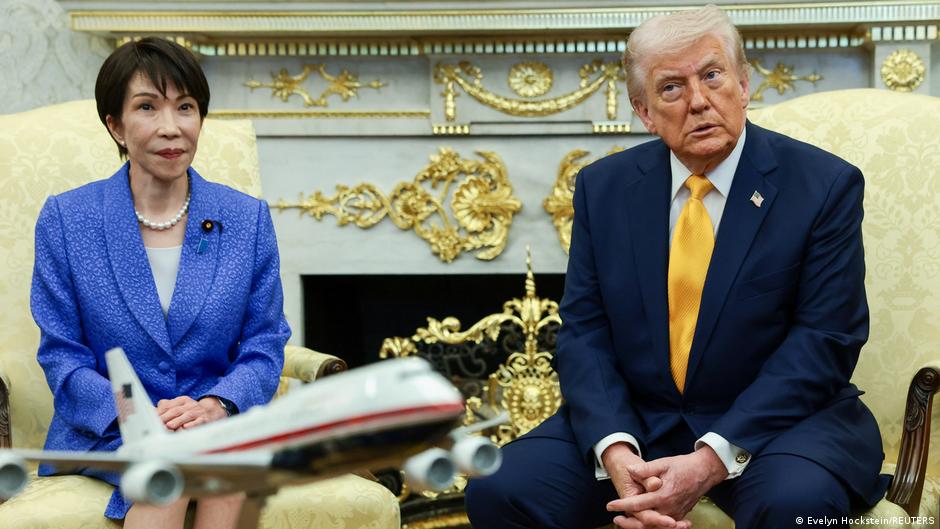
- Takaichi arrived in Washington on March 20, 2026, and emerged with security commitments from Trump after he refrained from publicly pressing Japan to send warships to the Strait of Hormuz for the US-Israel war with Iran — a request Japan's pacifist constitution would have blocked.
- Japan committed up to $73 billion in new US business projects, part of a broader $550 billion investment commitment announced last year, including small modular reactor development in Tennessee and Alabama.
- Japan and the US announced an action plan to develop alternatives to China for critical minerals and rare earths, plus shipbuilding cooperation to reclaim the sector from China and deeper AI and cutting-edge technology collaboration.
- Japan committed to buying more crude oil from Alaska with investments in production and refining, aiming to reduce reliance on a Middle East that currently supplies roughly 90% of its crude.
- Takaichi asked to participate in Trump's proposed Golden Dome missile defense system; analysts said Japan's overriding concern is China and every ask on the trip ties back to greater defense safeguards against Beijing.
- According to analysts, Takaichi will likely agree to provide logistical support and minesweeping vessels once a ceasefire is reached in the Middle East, even though sending the Self-Defense Forces during active hostilities was off the table.
- The summit included a brief awkward moment when Trump made an assumed joke about Japan's 1941 attack on Pearl Harbor, visibly stiffening Takaichi during the public appearance.
Why it matters: Trump got the investment pledges and energy diversification he wanted without forcing Japan into a military role its pacifist constitution forbids; Takaichi kept the trans-Pacific alliance intact, opened talks on Golden Dome participation, and began pivoting Japan's energy supply away from a Middle East that still provides 90% of its crude. Japan's leaders publicly framed every deliverable as a hedge against China, not a concession to Washington.
Ask SkimNews