Trump's Uneven Sanctions Erode US Foreign Policy Tool — SkimNews

Get the Geopolitics newsletter
Daily geopolitics — wars, elections, sanctions, the diplomatic moves that move markets. Free.
- Trump has departed from his first-term approach by lifting sanctions inconsistently in his second term, despite his 2024 campaign rhetoric that sanctions "force everyone away" from the US and risk "killing the dollar."
- Trump announced the lifting of Syria sanctions during his May Riyadh visit, signed a late-June executive order revoking six prior Syria sanctions orders, and pushed Congress to repeal the Caesar Syria Civilian Protection Act (which he had signed in 2019).
- OFAC issued more than a dozen general licenses enabling US firms to operate in Venezuela after the January detention of Nicolás Maduro, with Trump lifting sanctions on Delcy Rodríguez in early April—while Interior Minister Diosdado Cabello remains sanctioned despite repeatedly meeting US officials.
- The Trump administration blacklisted Russia's Rosneft and Lukoil in October 2024 but failed to impose secondary sanctions on entities tied to the Arctic 2 LNG project after China's Beihai terminal became the first to buy Arctic 2 cargo following the August 2025 Trump-Putin Alaska summit.
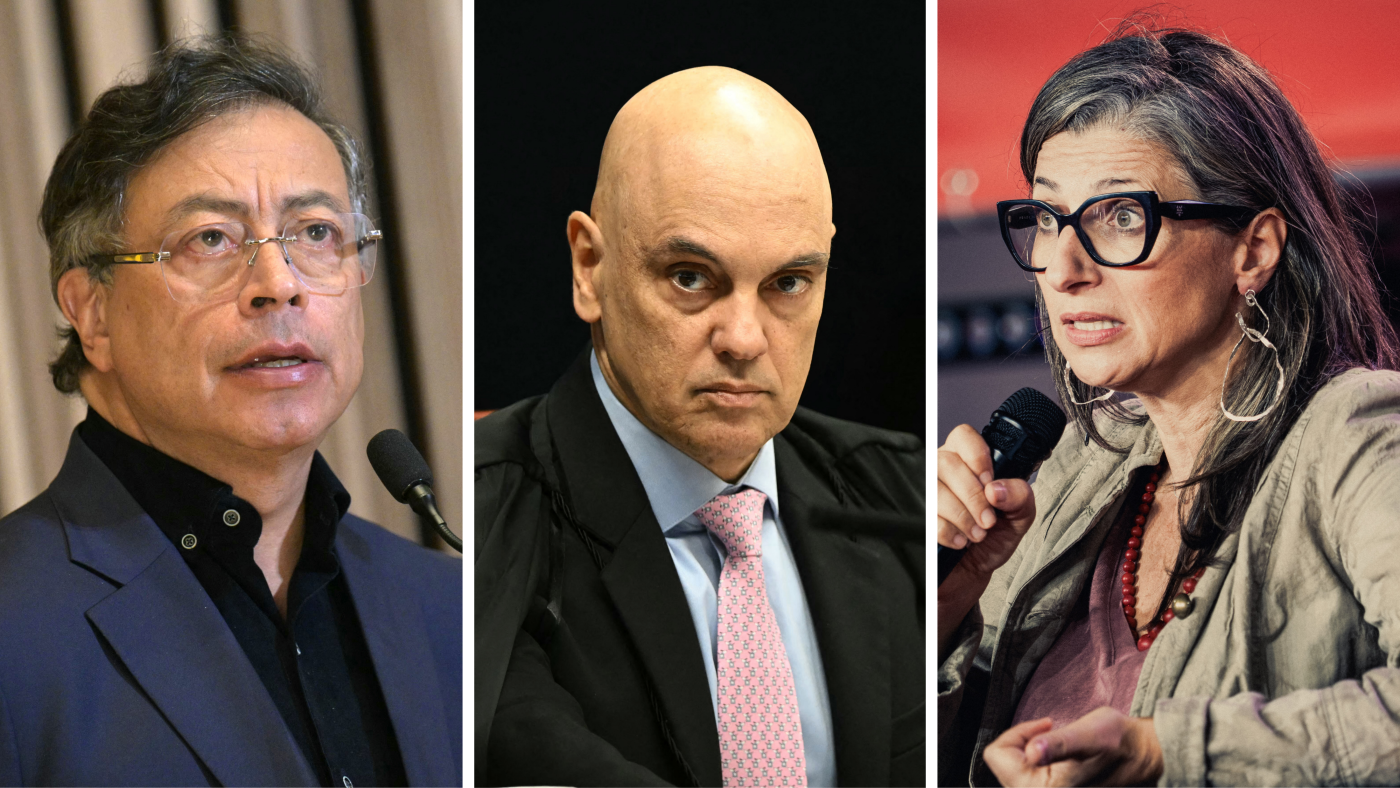
- Trump used the Global Magnitsky Act to sanction Brazilian Supreme Court Judge Alexandre de Moraes over Jair Bolsonaro's trial—a designation the White House reversed in December—and blacklisted Colombian President Gustavo Petro before subsequently hosting him at the White House.
- Judge Richard Leon issued a preliminary injunction on May 13 ordering the first-ever suspension of an OFAC blacklist designation on First Amendment grounds, ruling that the blacklisting of UN special rapporteur Francesca Albanese rested on her political speech.
Why it matters: The source argues the risk lies not in Trump's willingness to lift sanctions but in their uneven application, which threatens the extraterritorial compliance that flows from dollar access—the same leverage cited when a Swiss bank was shut down in a day over sanctions violations. Russia has directly benefited: Arctic 2 LNG, denied a buyer for months under US pressure, found one in China's Beihai after Trump's Alaska meeting, and Reuters reported last month that Beijing is planning to expand sanctioned-Russia LNG import sites.
Ask SkimNews