How to walk 30 minutes a day - your tips — SkimNews
SkimNews Take
Readers already walking naturally favor intrinsic motivators over external rewards—so tips from active participants illustrate what sustains existing habits rather than what draws in the sedentary.
Get the Health newsletter
Daily health & science — research, biotech, public health, the studies worth knowing. Free.
- NHS England announced a "marathon a month" challenge launching next year, asking participants to walk 30 minutes a day over a month; completers will be eligible for exercise rewards, though specific perks have not yet been announced.
- BBC Your Voice readers said their top motivators for daily walking were physical and mental health, time in nature, and building it into routine — not the kind of external incentives the NHS scheme is betting on.
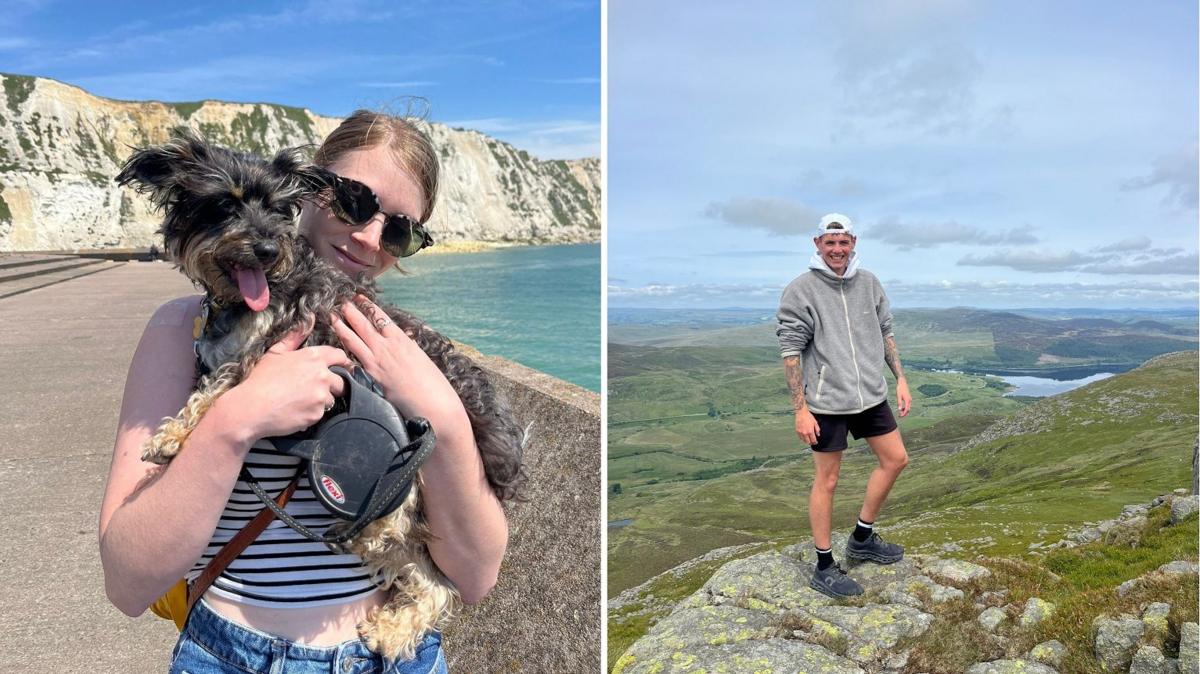
- Ed Shirt, 25, splits his daily 30 minutes into three 10-minute walks before work, on lunch, and after dinner, often setting a timer and picking a landmark on Prestatyn beach to reach.
- Barry Nicholson, 51, walks his beagle Max for 45 minutes every day regardless of weather, calling dog ownership one of the biggest motivators since it removes the option to skip.
- Geoffrey and Carole Murrell, both 82, hit at least 4,500 steps daily without owning a car; Geoffrey is receiving treatment for bladder cancer and diabetes and walks to hospital appointments on top of errands.
- Sophie O'Sheen, 31, walks 2.5 miles (45 minutes) to work each way, using the commute to decompress and take phone calls with family.
- Violet Black, 80, walks five miles daily as an antidote to loneliness, a routine she has kept since retiring at 61 except in snow and icy conditions.
Why it matters: NHS England's rewards-based exercise scheme launches next year, but readers told the BBC their walking habits are driven by mental health, nature, and routine — not financial perks. The contrast matters because contributors like 82-year-old Geoffrey Murrell, walking through cancer treatment without a car, illustrate the kind of intrinsic, daily commitment a once-a-month reward may struggle to replicate.
Ask SkimNews