Xiaomi Confirms Sky Nomad EREV Brand — SkimNews
SkimNews Take
Xiaomi's pivot to EREV after its BEV sedan success signals China's EV market has bifurcated by use case — premium performance for BEV, family utility for range-extended — and the family SUV segment is now where the volume battle is being decided.
Get the Energy newsletter
Daily energy & climate — solar, EVs, oil, the policy fights and tech bets shaping the transition. Free.
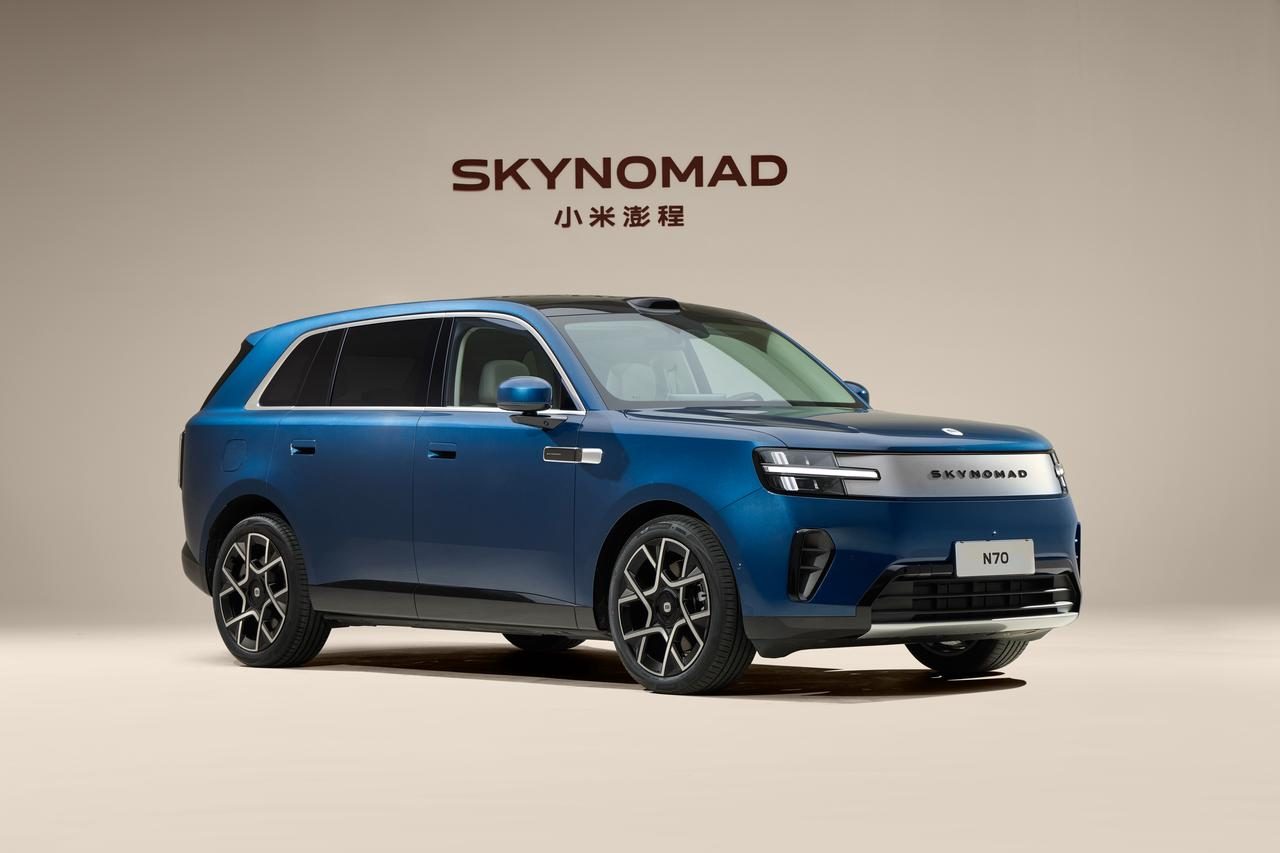
- Xiaomi officially confirmed "Sky Nomad" on Weibo as its new EREV brand, with CEO Lei Jun sharing the teaser and telling followers the launch is "coming soon"; in China, the brand will reportedly go by Xiaomi Pengcheng (小米澎程)
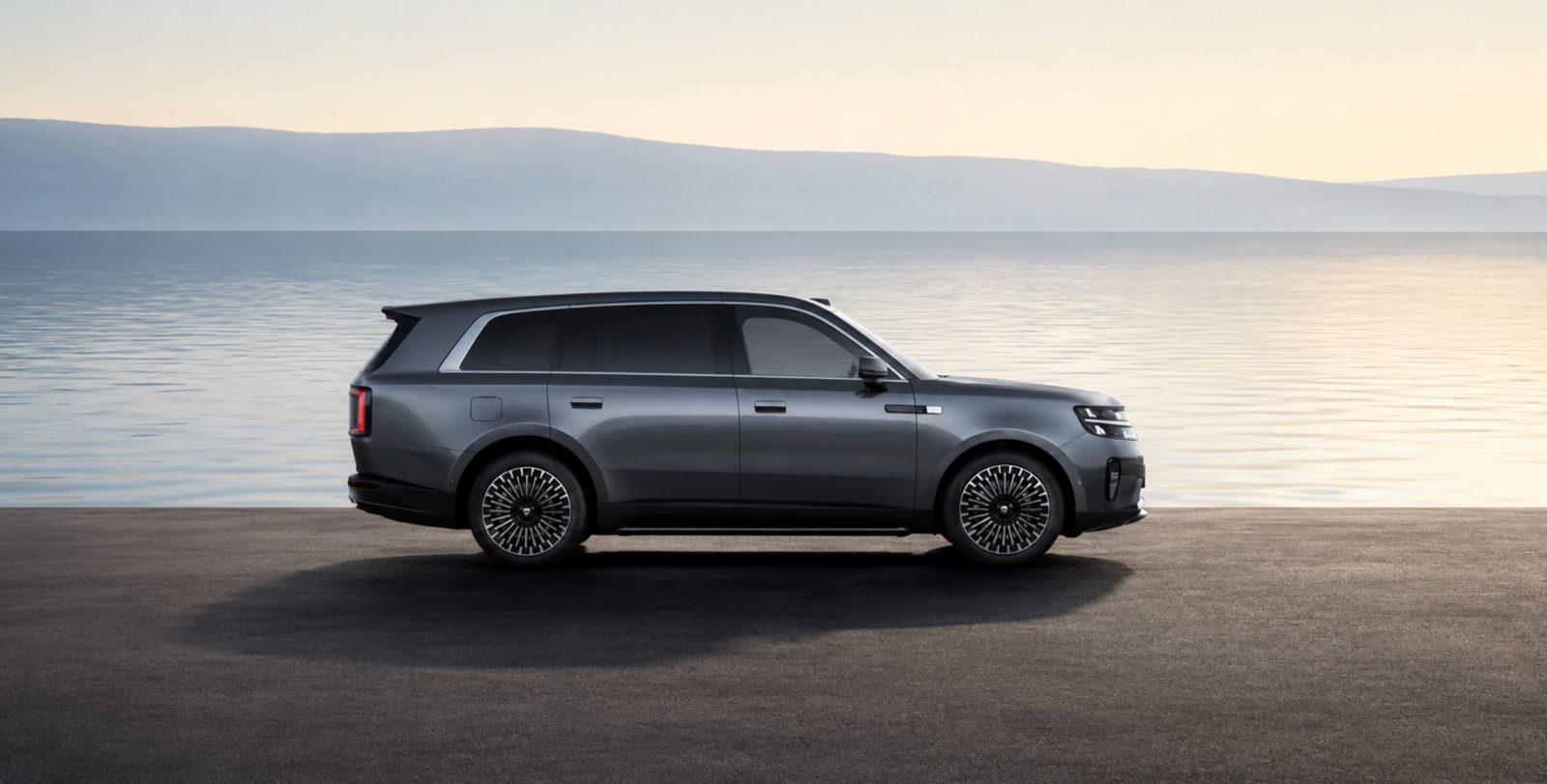
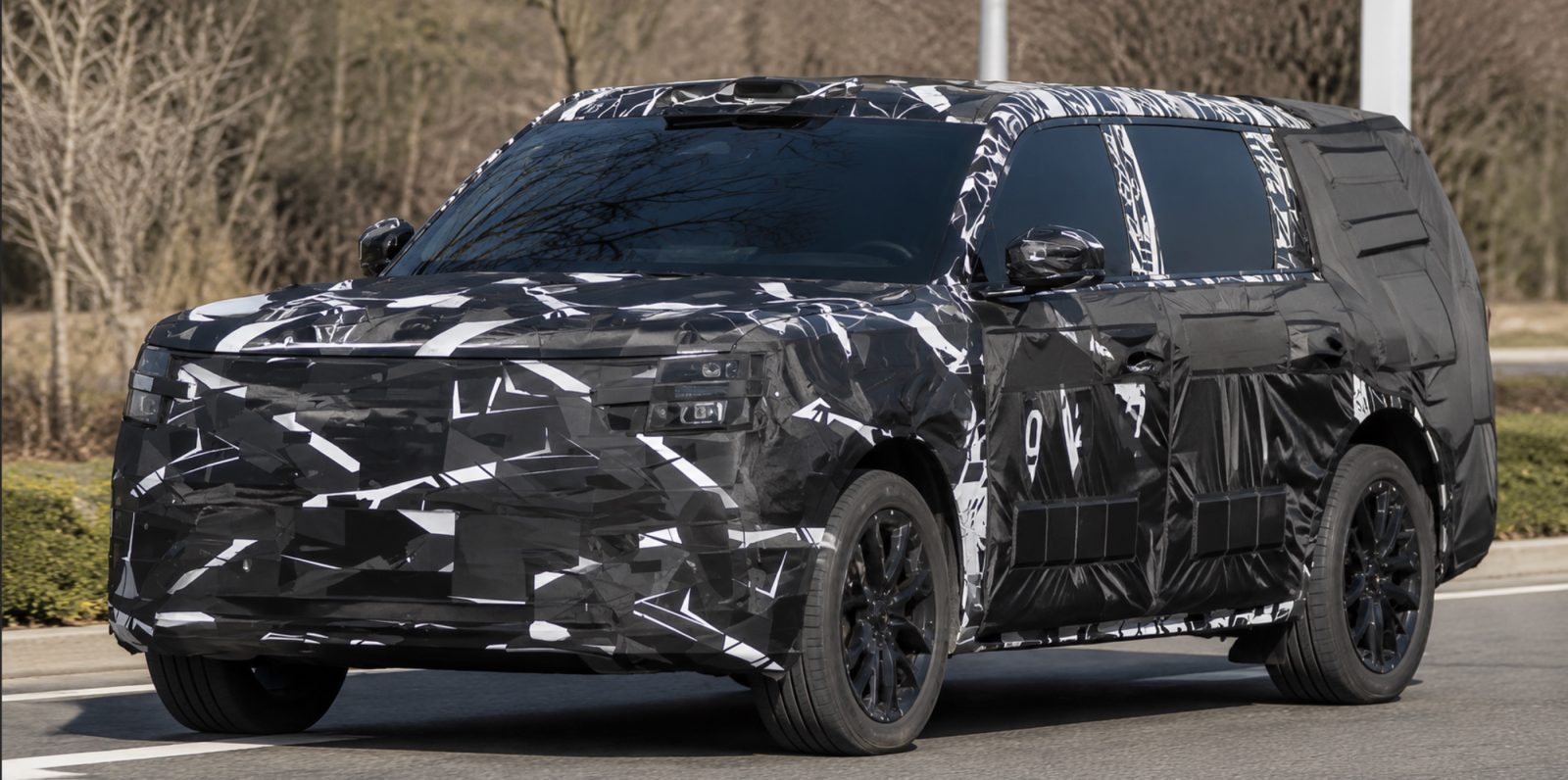
- The first Sky Nomad model, internally codenamed Kunlun N3, is a full-size SUV measuring over 5.3 meters (17.4 feet) long with a 3.1-meter wheelbase, with a built-in rooftop tent in the seven-seat configuration aimed at China's outdoor camping trend
- N90 pairs a 1.5-liter turbo engine used purely as a generator (it never drives the wheels) with a 70+ kWh battery from Sunwoda and CALB on a 60/40 split, delivering 400-500 km of electric-only range and over 1,500 km combined — a larger pack than the base Tesla Model Y's 62.5 kWh in China
- Pricing starts around 200,000 yuan (~$29,400), undercutting the Li Auto L9 and Aito M9, which both sit above 250,000 yuan; seven of last year's top 10 best-selling extended-range SUVs in China came from those two brands
- Sky Nomad is central to Xiaomi's 550,000-delivery target for 2026, up roughly 34% from ~410,000 last year, with the company now delivering over 30,000 vehicles for three consecutive months and a launch expected in H2 2026
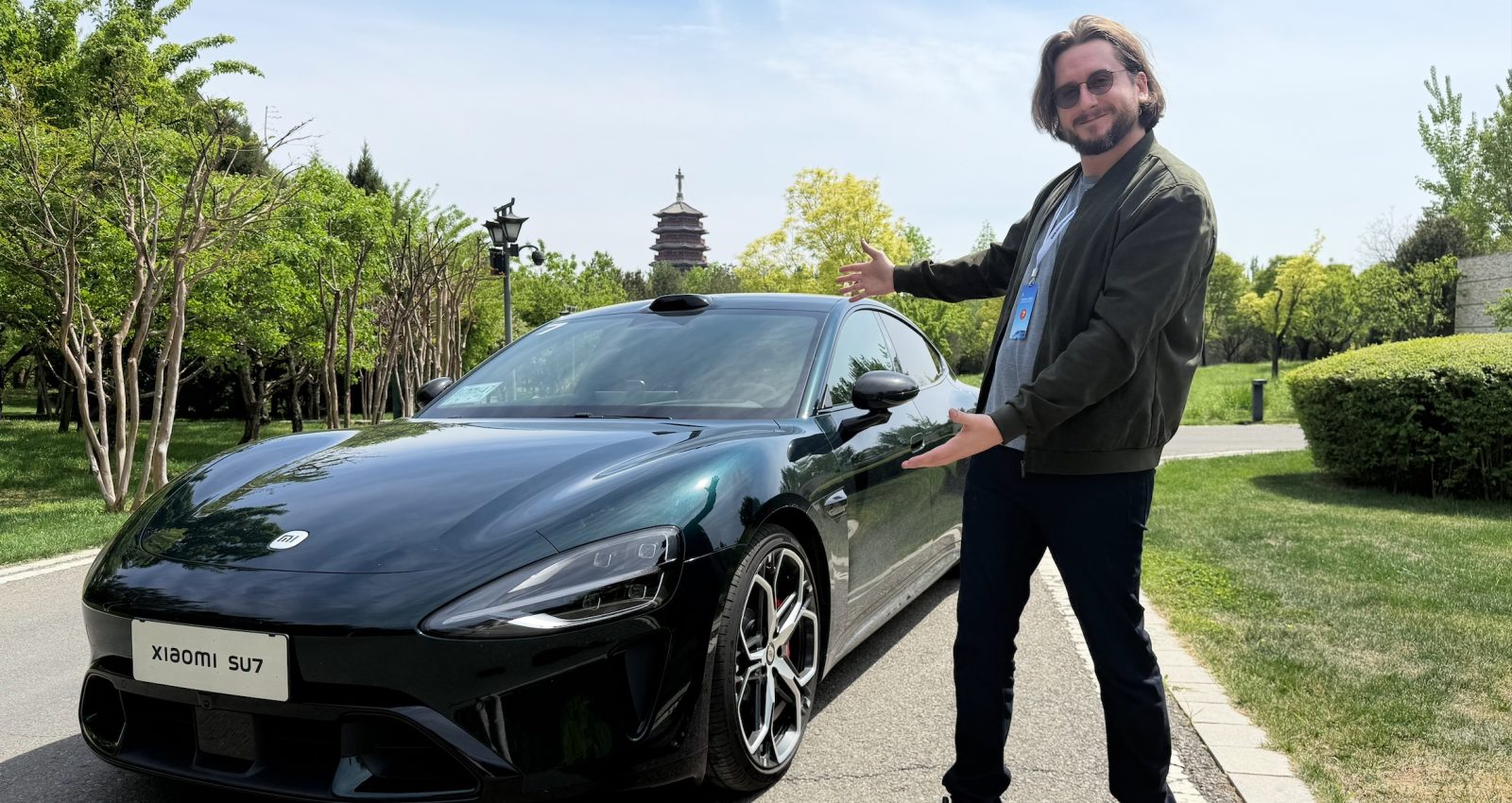
- Xiaomi left unresolved whether Sky Nomad is a standalone sub-brand or a product series alongside the SU7 and YU7, though Electrek favors a standalone brand given the vastly different segments and Xiaomi's existing driver-focused EV image
Why it matters: Xiaomi is entering the family SUV segment that built Li Auto's profitability, and it's doing so with a ~50,000 yuan price undercut on a vehicle whose 70+ kWh battery and 400-500 km of electric range treat the gas engine as a road-trip add-on rather than the primary powertrain — a formula that, if it works at scale, lets Xiaomi hit its 550,000-unit 2026 target without abandoning its pure-EV brand positioning.
Ask SkimNews