Neanderthal birch tar tested as ancient antibiotic — SkimNews
Get the Health newsletter
Daily health & science — research, biotech, public health, the studies worth knowing. Free.
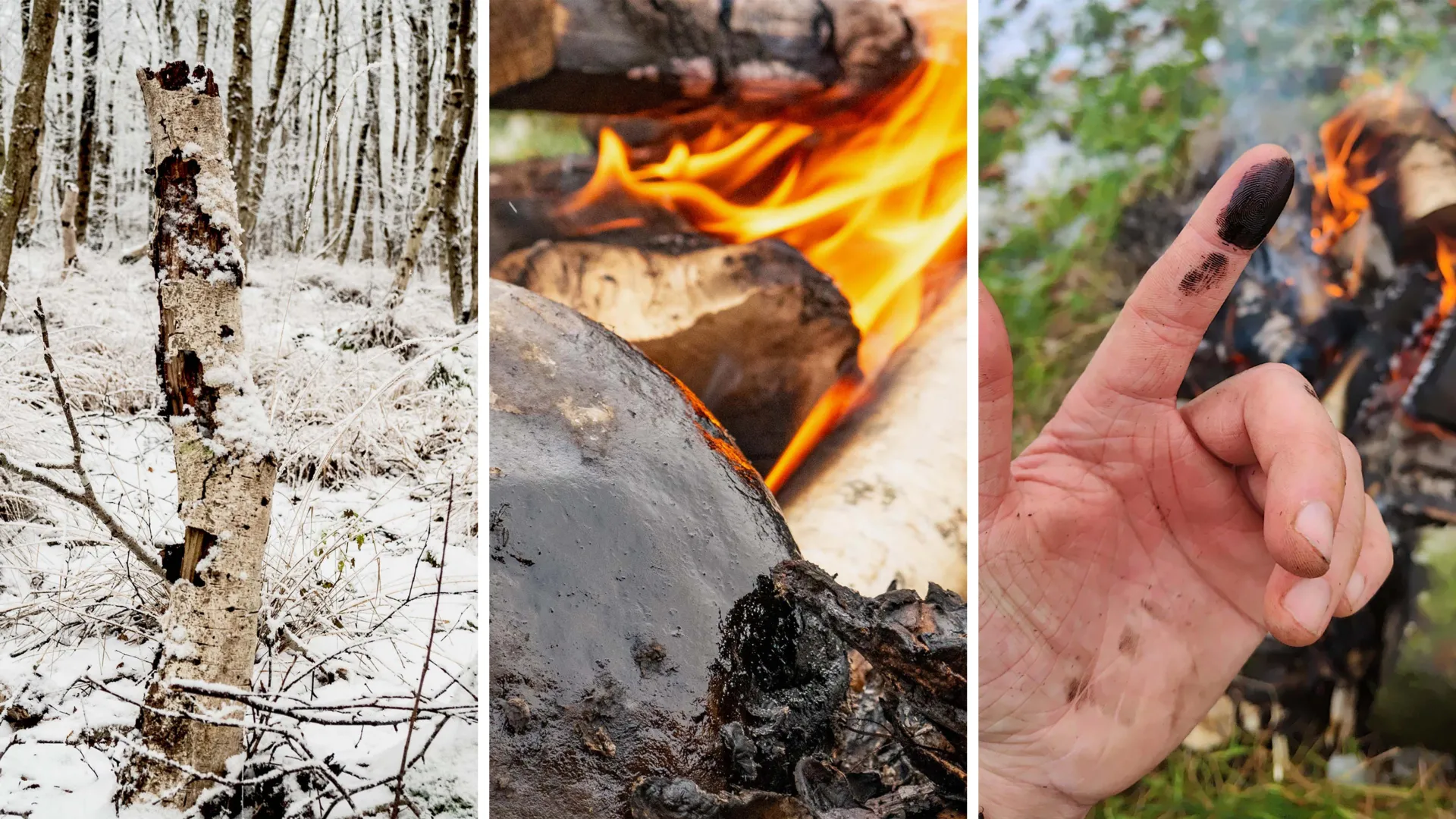
- University of Cologne researchers, joined by teams at Oxford, Liège, and Cape Breton University, recreated two birch tar production techniques believed used by Neanderthals — sealed underground dry distillation and open-surface condensation — and tested the resulting material against bacteria
- Every birch tar sample the team produced inhibited the growth of Staphylococcus aureus, a bacterium responsible for wound infections and some of the most difficult-to-treat antibiotic-resistant strains acquired in hospitals
- The antibacterial effect held across both Neanderthal-era production methods, suggesting the bacteria-fighting properties were not dependent on a single technique but intrinsic to the substance itself
- Birch tar artifacts found at numerous Neanderthal sites across Europe have long been associated with hafting — attaching stone blades to wooden handles — but the study reframes the material as potentially dual-purpose, combining toolmaking adhesive with wound protection
- Lead researcher Tjaark Siemssen said antimicrobial properties "could have been used in a targeted manner" by early Neanderthals, though the experiments stop short of proving Neanderthals actually applied birch tar to wounds
- The study, published in PLOS One, adds to growing archaeological evidence of Neanderthal medicinal plant use and suggests prehistoric substances deserve closer investigation as antibiotic resistance grows worldwide
Why it matters: Researchers showed that birch tar made by Neanderthal-era methods consistently fights Staphylococcus aureus, a pathogen behind dangerous and increasingly drug-resistant wound infections. By reframing a familiar prehistoric artifact as a possible precursor to modern antimicrobials, the study gives antibiotic-resistance researchers a new natural product to characterize, though any human-safety application would still require further testing.
Ask SkimNews