Recreated Neanderthal birch tar fought wound bacteria — SkimNews
Get the Health newsletter
Daily health & science — research, biotech, public health, the studies worth knowing. Free.
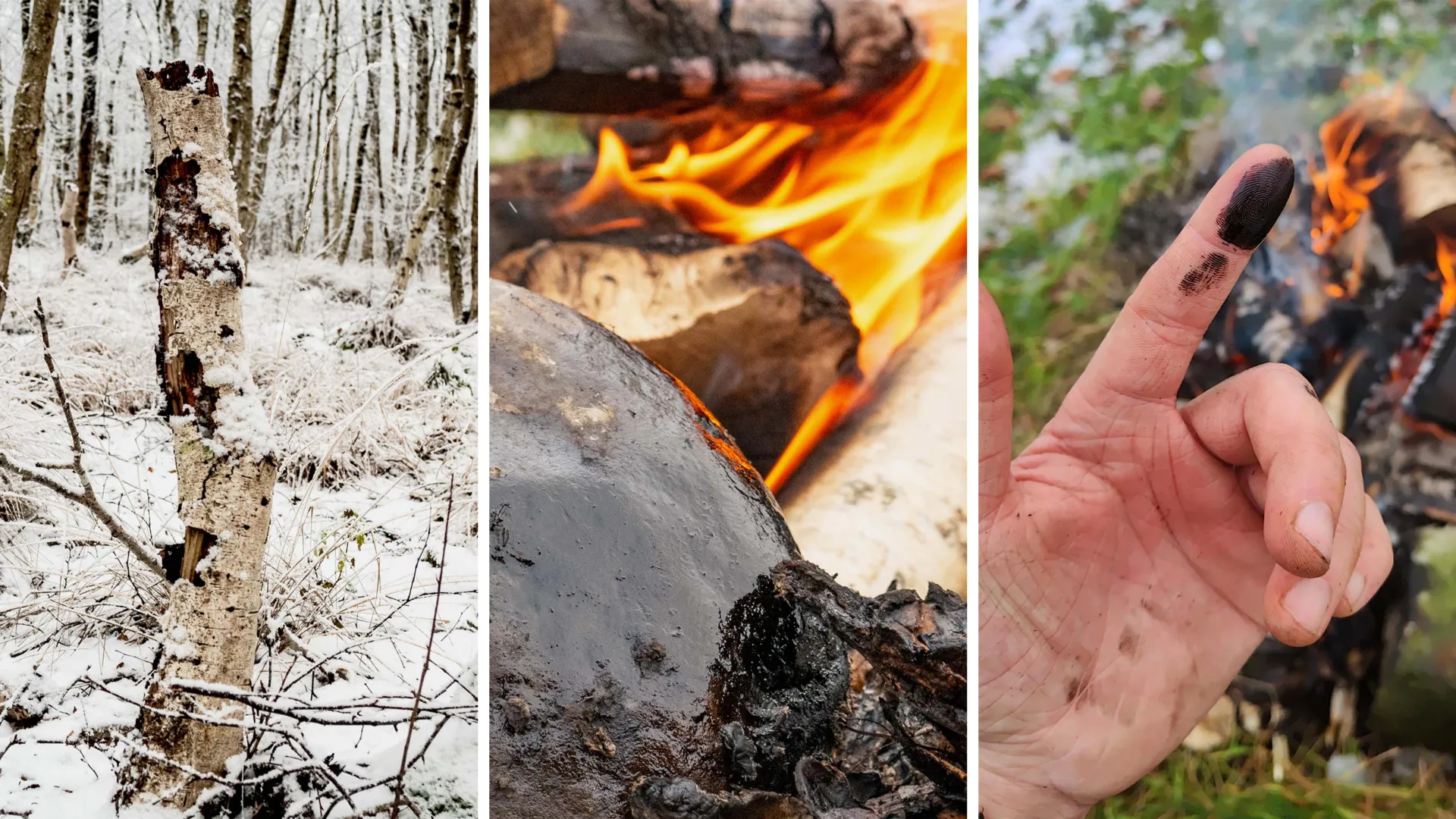
- Tjaark Siemssen led a University of Cologne and Oxford University study that recreated birch tar via two prehistoric methods — underground pit dry distillation and surface condensation from burning bark — and found every sample inhibited Staphylococcus aureus growth
- University of Cologne, Oxford, Liège, and Cape Breton University researchers published the findings in PLOS One, where they note birch tar has long been documented at Neanderthal sites across Europe as a hafting adhesive for attaching stone blades to wooden handles
- S. aureus is highlighted in the source as the test bacterium because it is responsible for wound infections and includes strains resistant to multiple antibiotics that cause difficult-to-treat hospital infections
- Birch tar's antibacterial activity held regardless of which prehistoric extraction technique was used, suggesting the bacteria-inhibiting properties were not dependent on one particular production method, per Siemssen
- The researchers stop short of claiming Neanderthals actually applied birch tar to wounds, noting the experiments only show the material they were capable of producing had properties that could have made it useful for medical care
- Siemssen frames the work as a reason to examine ancient materials and ethnographic medicinal practices for compounds relevant to modern antibiotic resistance research
Why it matters: Antibiotic resistance is described in the source as a growing global health concern, and the fact that every recreated birch tar sample — across two distinct Neolithic-era production methods — inhibited S. aureus, including drug-resistant strains, positions prehistoric birch tar as an under-examined candidate in the search for new antibacterial compounds.
Ask SkimNews