SpaceX to Catch Starship With Launch Tower on Next Flight — SkimNews
Get the Health newsletter
Daily health & science — research, biotech, public health, the studies worth knowing. Free.
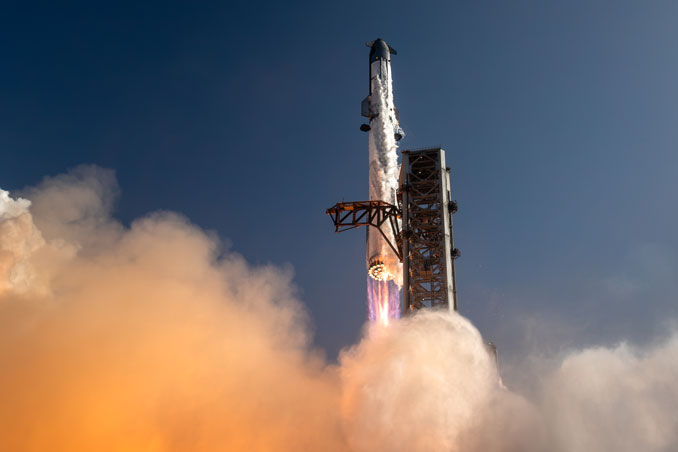
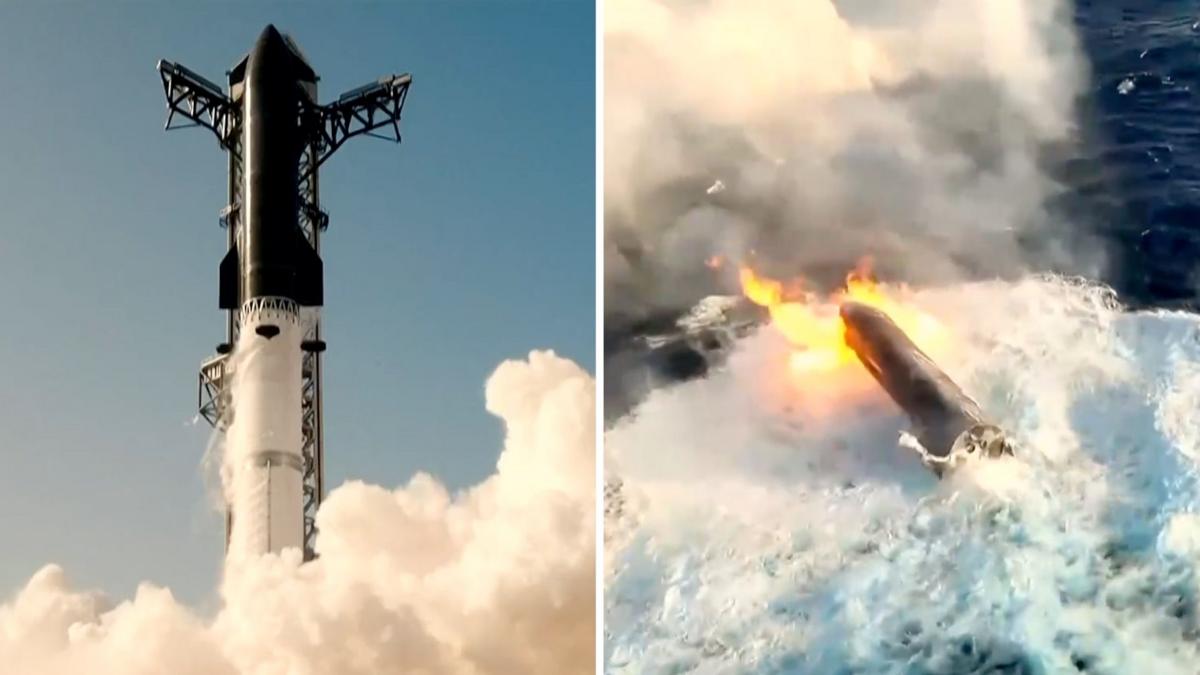
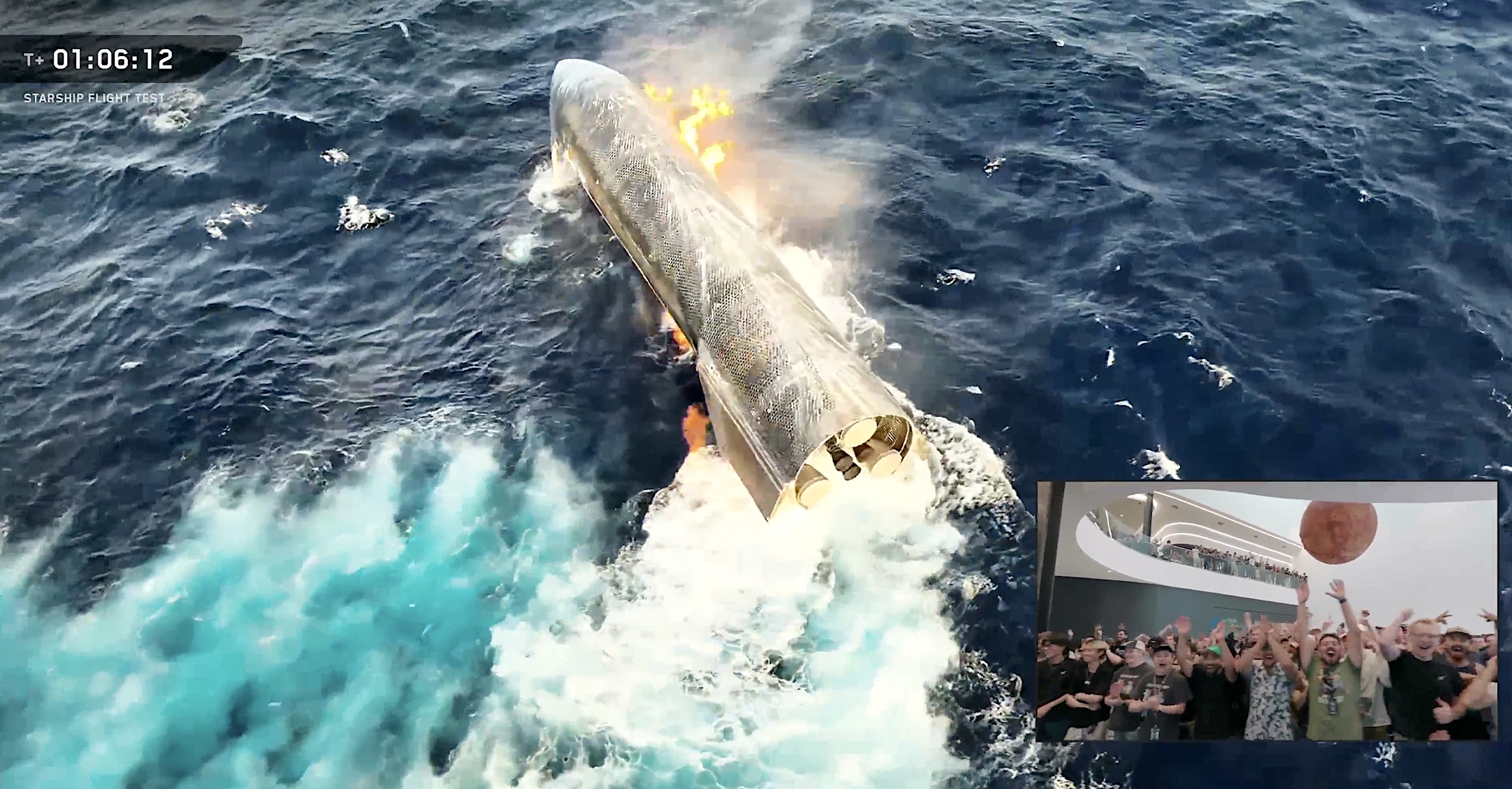
- Starship completed its 13th full-scale test flight on July 24, 2026, splashing down intact in the Indian Ocean west of Australia — a first, with prior water landings ending in fire — and later relit one Raptor engine in space for approximately 14 seconds, visible from South Africa
- SpaceX engineers got their best look yet at Starship's 18,000+ ceramic heat shield tiles, which withstood 2,600°F reentry temperatures; the intact vehicle could potentially be towed to shore for more detailed inspection
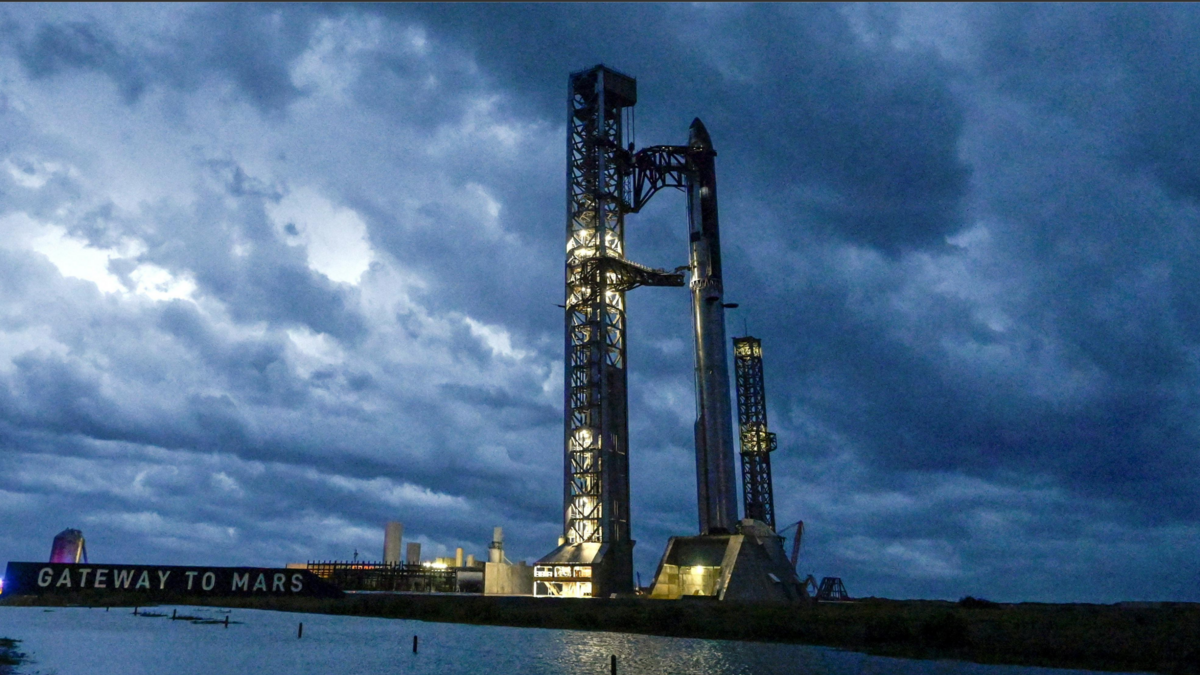
- Elon Musk announced on X that SpaceX will attempt to catch the next Starship with mechanical arms on the launch tower — a maneuver already proven with the Super Heavy booster — unless post-flight data review surfaces problems
- Super Heavy booster on Flight 13 suffered a hard splashdown in the Gulf of Mexico after some Raptor engines failed to restart for the landing burn, marking the second consecutive flight with booster recovery trouble
- SpaceX deployed 20 upgraded Starlink V3 satellites — too large for the Falcon 9 workhorse — via Starship's Pez-like dispenser; the satellites followed a suborbital path and burned up on reentry less than an hour after launch
- NASA Administrator Jared Isaacman praised the flight on X, calling Starship's capabilities "game-changing" for ensuring the US "never give up the Moon again" via the Artemis program
Why it matters: Starship's first intact water landing gives SpaceX its first real post-flight look at how 18,000+ ceramic tiles held up to 2,600°F reentry — data critical to the rapid reuse cadence that unlocks operational Starlink V3 launches and NASA Artemis lunar missions. But the Super Heavy booster's second consecutive hard splashdown shows the V3 booster-recovery problem isn't solved yet.
Ask SkimNews