Sodium-Ion Batteries Lag on Density for E-Bikes — SkimNews

Get the Energy newsletter
Daily energy & climate — solar, EVs, oil, the policy fights and tech bets shaping the transition. Free.
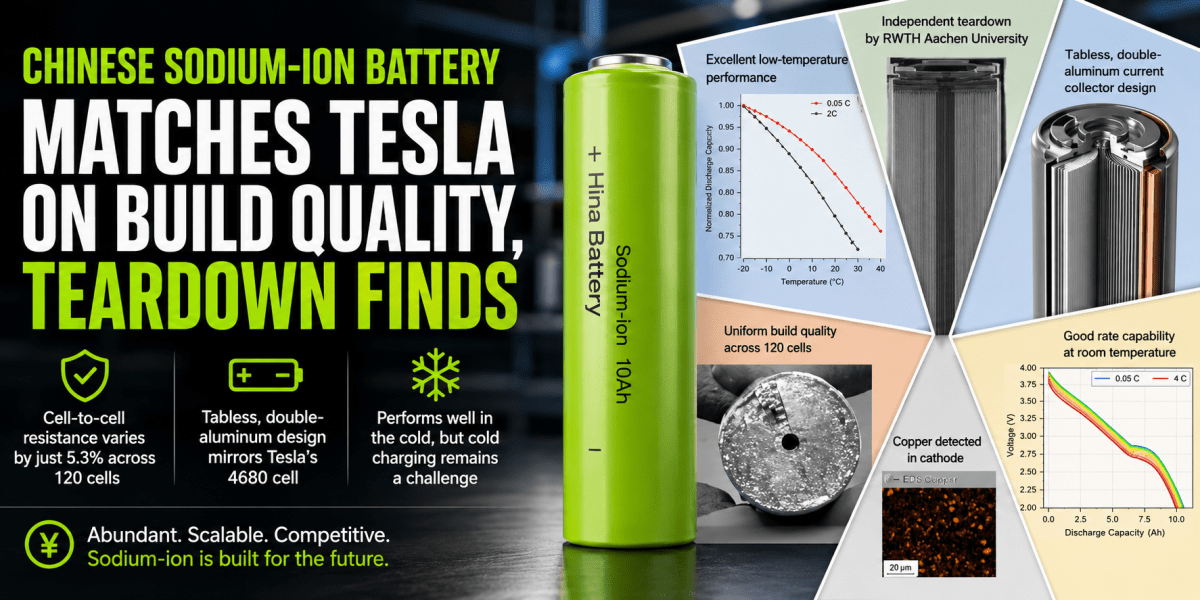
- Sodium-ion batteries store 140-180 Wh/kg, significantly less than the 200-280 Wh/kg of premium lithium-ion cells, resulting in heavier and bulkier packs for the same range.
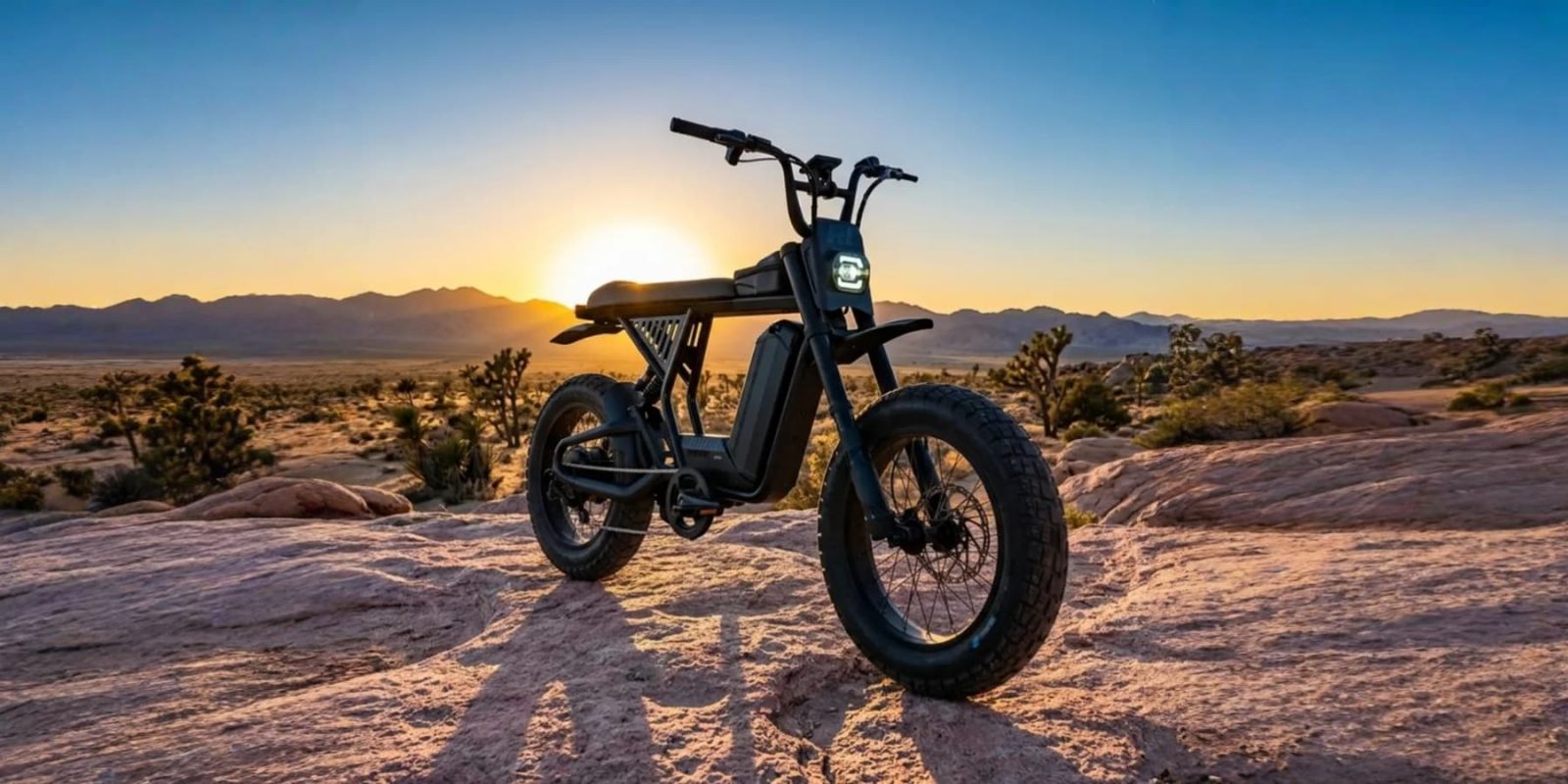
- Electric bicycles rely on compact, lightweight battery designs, making the size and weight of current sodium-ion packs a poor fit for integrated frame mounting.
- Lithium-ion batteries remain dominant in e-bikes due to their superior energy density, enabling longer range without compromising bike design or portability.
- Electric motorcycles and scooters are more viable initial targets for sodium-ion adoption, where higher battery mass is less impactful and cost savings matter more.
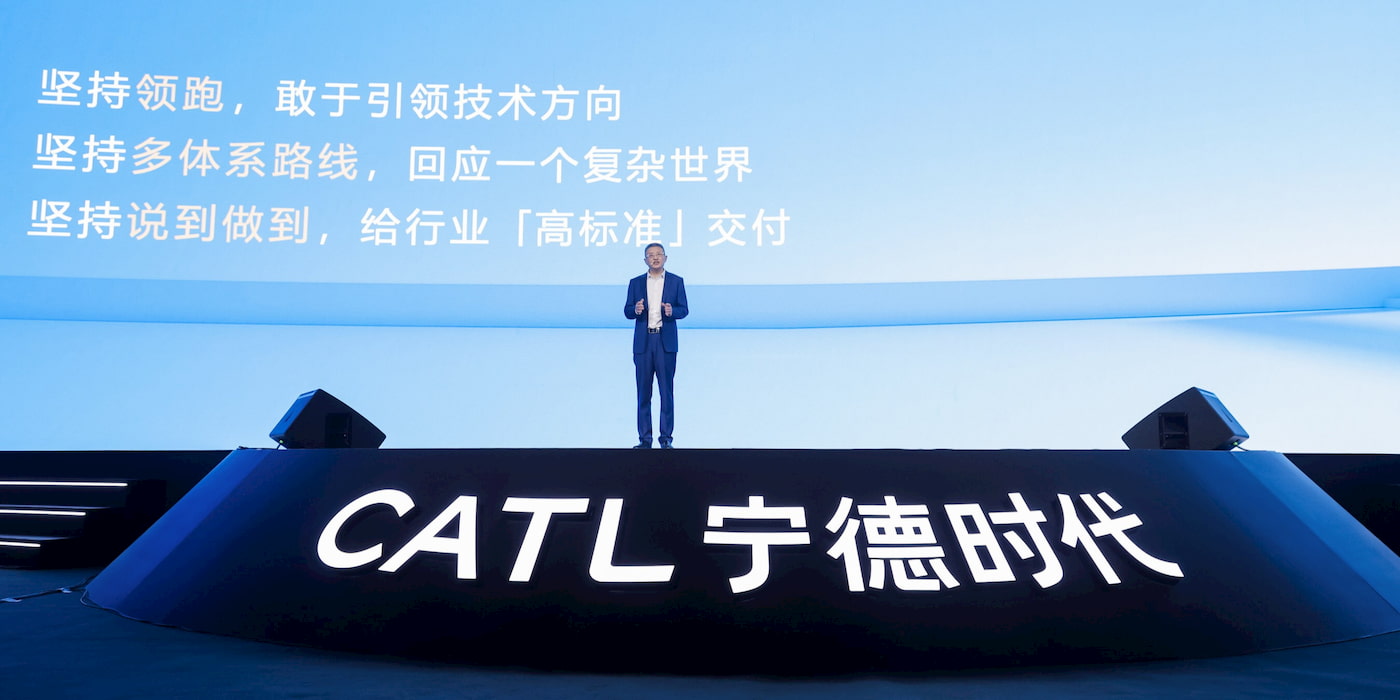
- CATL and other Chinese manufacturers are leading development in sodium-ion technology, pushing toward higher energy densities and mass production.
Why it matters: For e-bike makers and riders, sodium-ion batteries offer no immediate cost or safety benefit that outweighs the penalty in weight and size. The 140 Wh/kg ceiling means lithium-ion will stay entrenched in micromobility, while sodium-ion gains ground only in larger, cost-sensitive electric vehicles where packaging constraints are looser.
Ask SkimNews