Rewilded Larkrise Acres Hold Water, Welcome Wildlife Back — SkimNews

Get the Energy newsletter
Daily energy & climate — solar, EVs, oil, the policy fights and tech bets shaping the transition. Free.
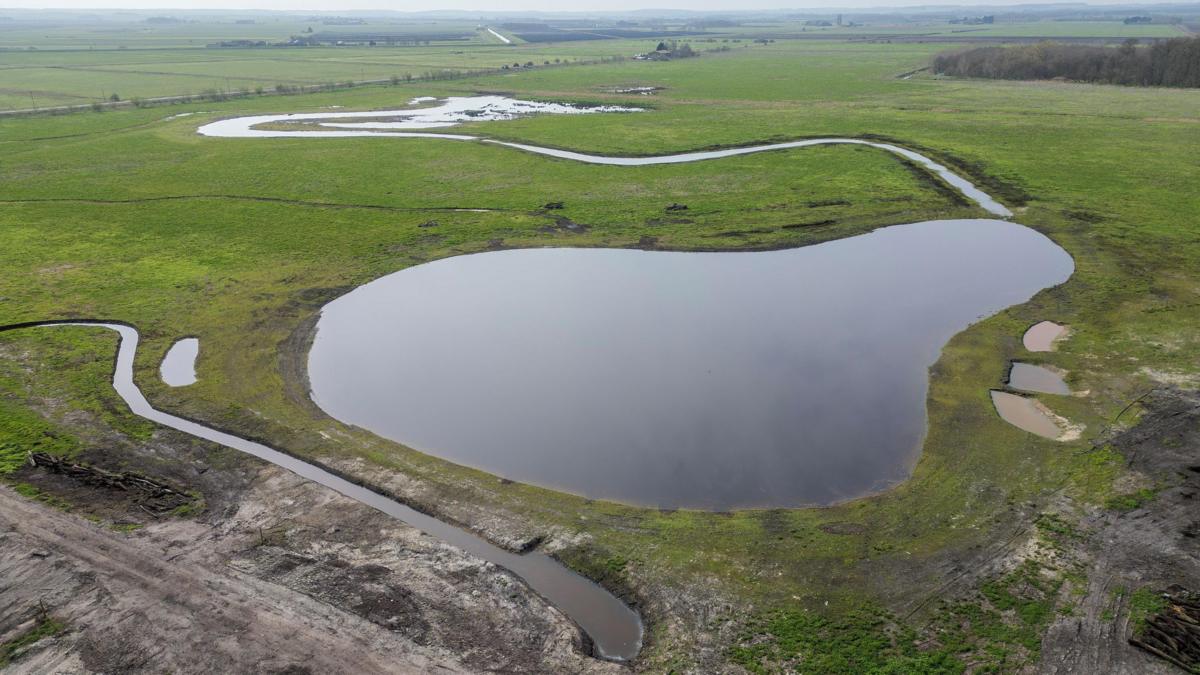
- Larkrise has rewilded 10 acres of poorly drained land over the past seven years, with planted guelder rose, spindle, holly and buckthorn already producing berries alongside seeded knapweed, grasses, plantains and rattle
- Rainfall at last has greened scorched pastures and lifted streams, though the century-old well dug by legendary 'Diver/Diviner' Cullas of Metherell remains lower than hoped, prompting cautious use
- Ponds excavated across the site have not dried up completely despite the drought, with clayey sides and stony spoil now colonized by vegetation transplanted by owners James and Mary
- Seedling oaks growing in-situ near a 200-year-old parent oak have escaped grazing by livestock, rabbits and deer thanks to meticulous staking, and their leaves now host spangle and silk-button galls
- Wildlife recorded at Larkrise ranges from skimming swallows, two young buzzards, goldfinches and clouded yellow butterflies to fox, roe deer and barn owl caught on trip cameras
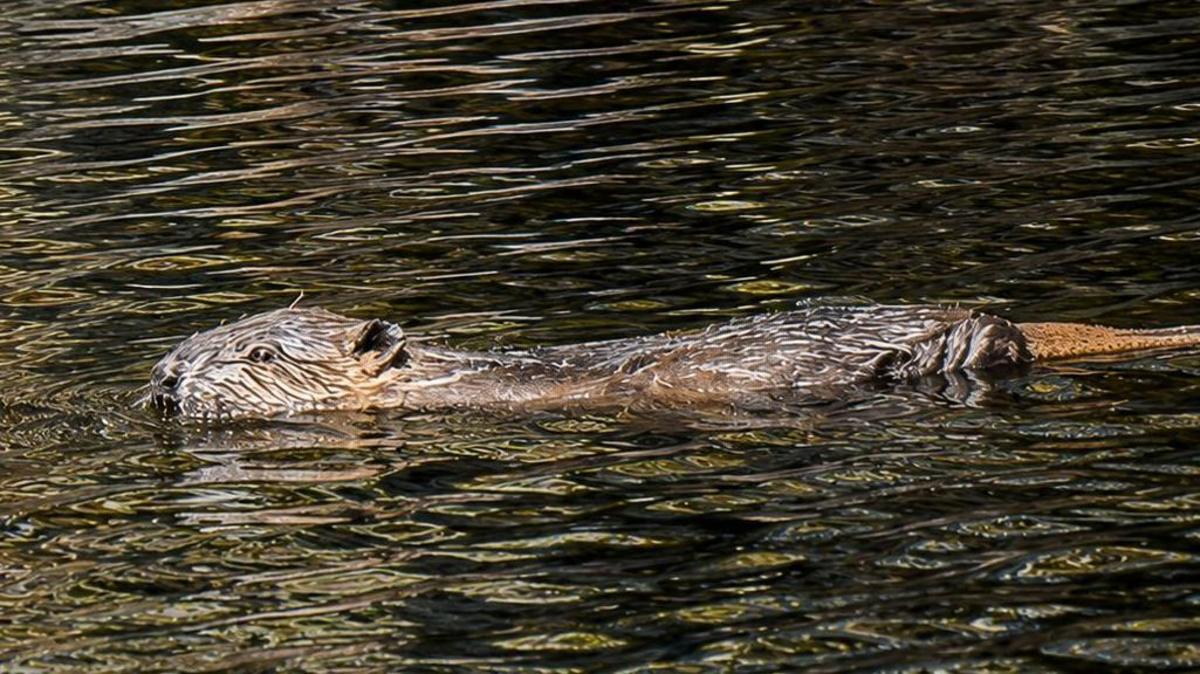
- Local naturalists from the small mammal society have documented moorhens, assorted vole and shrew species, and weasels on the boggy ground
- Adjoining farmland on Down Lane still runs bullocks on sparse pasture supplemented with winter fodder, highlighting the contrast in land management next door
Why it matters: The Larkrise project shows that deliberate rewilding on a modest 10-acre site—pond excavation, native-plant transplanting, and sapling protection—can deliver measurable biodiversity (fox, roe deer, barn owl, voles, weasels) within seven years and even through drought, while the adjoining bullock-grazed enclosure illustrates how quickly land-management choices translate into divergent ecological outcomes.
Ask SkimNews