Why Every Orchestra Needs a Conductor — SkimNews
Get the Culture newsletter
Daily culture — film, music, books, the trends and ideas worth your attention. Free.
- The author, a composer who also conducts, frames the role as neither fraud nor divinity but as an essential guide, arguing that an exceptional conductor creates an "electricity" letting dozens of musicians breathe as one organism.
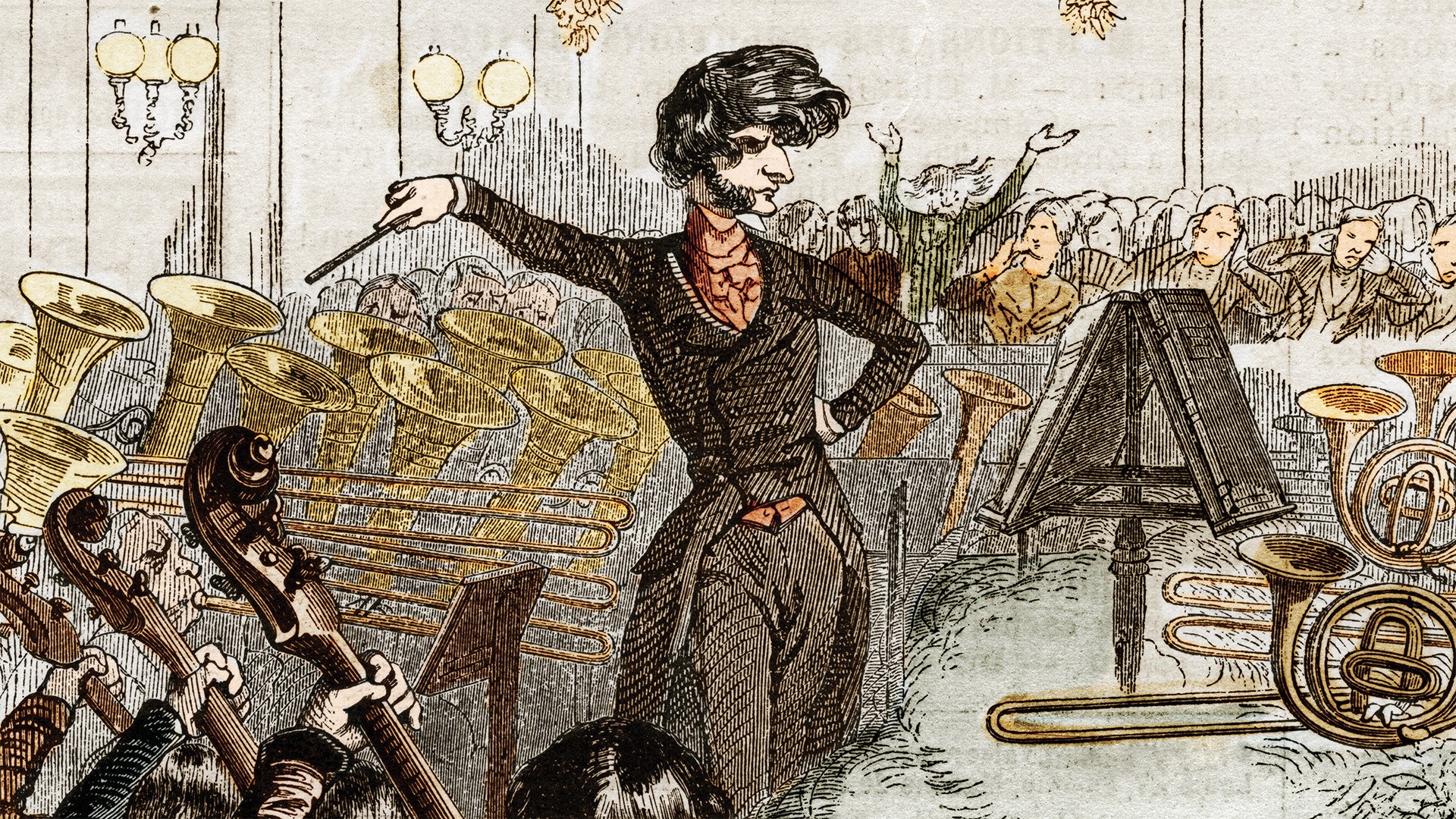
- Conducting as a profession emerged in the mid-19th century alongside industrial-era innovations including the tuba, saxophone, and celesta, plus piston valves on trumpets and horns that made modern orchestras louder and larger.
- Large orchestras of 70 to 100 musicians face practical coordination problems the essay spells out: a trombonist in the back row cannot hear the first violins over louder brass and percussion colleagues seated nearby.
- Unlike pop music recorded to click tracks, orchestral music intentionally flows with flexible, river-like timing—so flexible that the same piece may move differently from one evening to the next, requiring a conductor to shape pacing.
- Romantic-era composers Hector Berlioz and Richard Wagner both had to take up the baton themselves to realize works so complex that musicians of the time needed visionary guidance to perform them.
- The conductor's essential task is described as simultaneously leading and serving as "listener in chief"—embodying the music's current while prepared to respond to the orchestra's playing in real time.
Why it matters: The essay argues conductors fill a gap no individual musician in a 90-person ensemble can fill alone: coordinating flexible timing across players who physically cannot hear one another, making the role indispensable for orchestras performing non-metrical repertoire.
Ask SkimNews