The soaring demand for Patriot missiles, from the Middle East to Ukraine — SkimNews

Get the Geopolitics newsletter
Daily geopolitics — wars, elections, sanctions, the diplomatic moves that move markets. Free.
- Zelenskyy said Ukraine's military intercepted just 1 of 27 Russian ballistic missiles in Saturday's pre-dawn barrage on Kyiv — 9 killed and more than 30 wounded — and attributed the failure to a lack of Patriot interceptors
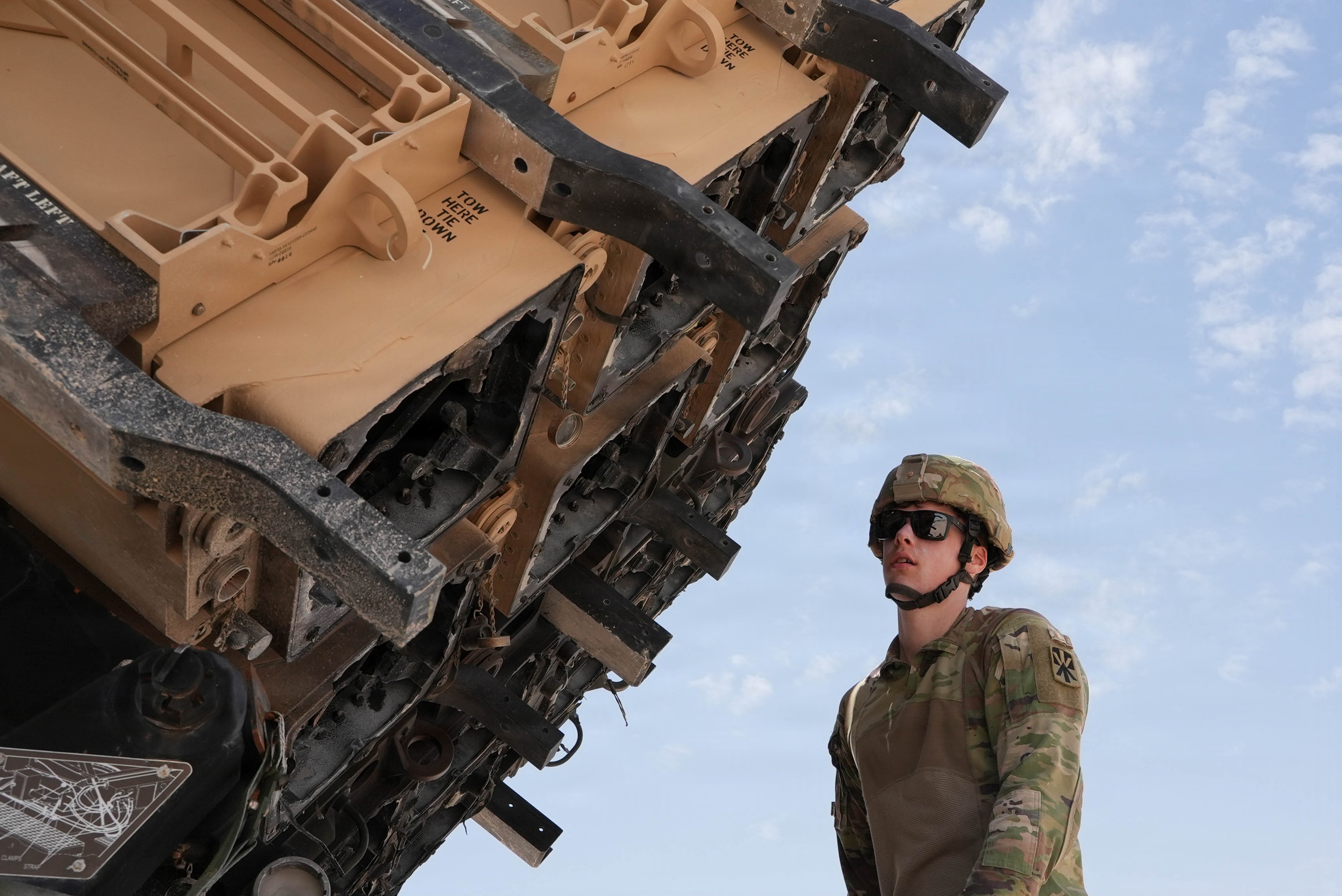
- The U.S. Patriot stockpile fell from more than 2,300 before the Iran war launched Feb. 28 to about 800 today, while THAAD interceptors dropped from roughly 450 to 250, according to the Center for Strategic and International Studies
- Raytheon (now RTX) and Lockheed Martin jointly produce fewer than 1,000 Patriot interceptors per year, with each missile costing approximately $4 million
- Trump told Zelenskyy at last month's NATO summit he would license Ukraine to build its own Patriots, then reversed course the following Friday, saying the U.S. 'have not agreed to that'
- Only Germany and Japan currently hold U.S. licenses to manufacture Patriots, and even if Ukraine were licensed it could take several years before missiles came off its line because of stretched missile-component supply chains
- Roughly 20 U.S. allies across Europe, Asia and the Middle East depend on Patriot for ballistic missile defense, with Gulf states watching U.S. inventories as potential insurance against renewed Iran fighting
- No country has publicly pledged to send additional Patriot missiles to Ukraine despite Zelenskyy's appeal that interceptors shouldn't sit 'for hypothetical scenarios, but used here and now, to contain and stop the Russian war'
Why it matters: Production of under 1,000 Patriot interceptors annually cannot refill a U.S. stockpile that CSIS says fell from 2,300 to 800 across roughly four months of Iran war, even as Russia fires ballistic salvos of 27+ missiles at Kyiv and about 20 other U.S. allies depend on the same system. Trump's reversal on licensing Ukrainian production eliminates the fastest theoretical relief path.
Ask SkimNews