Trump's Economic D-Day Reinforces Iran Hardliners — SkimNews
Get the Geopolitics newsletter
Daily geopolitics — wars, elections, sanctions, the diplomatic moves that move markets. Free.
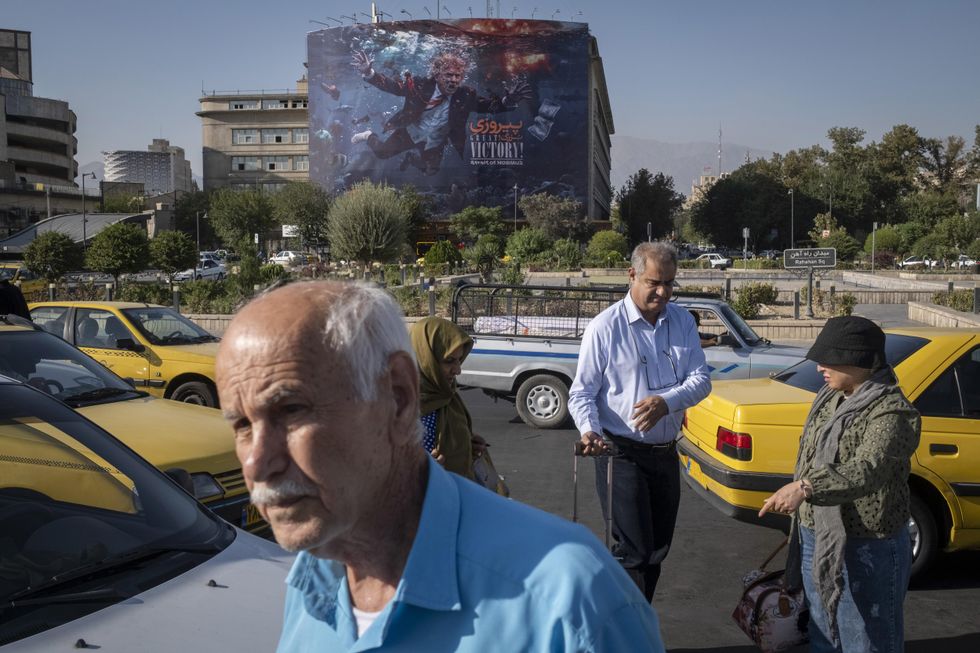
- Trump announced an “economic D-Day” on August 19, 2026, threatening tremendous economic consequences for any country whose financial institutions, businesses, airports, or government entities provide Iran with a lifeline.
- Ahmad Vahidi and allied security officials quickly crushed the uprising that began in Tehran's bazaar in December 2025 and widened for several weeks in January 2026, accelerating the security apparatus's rise.
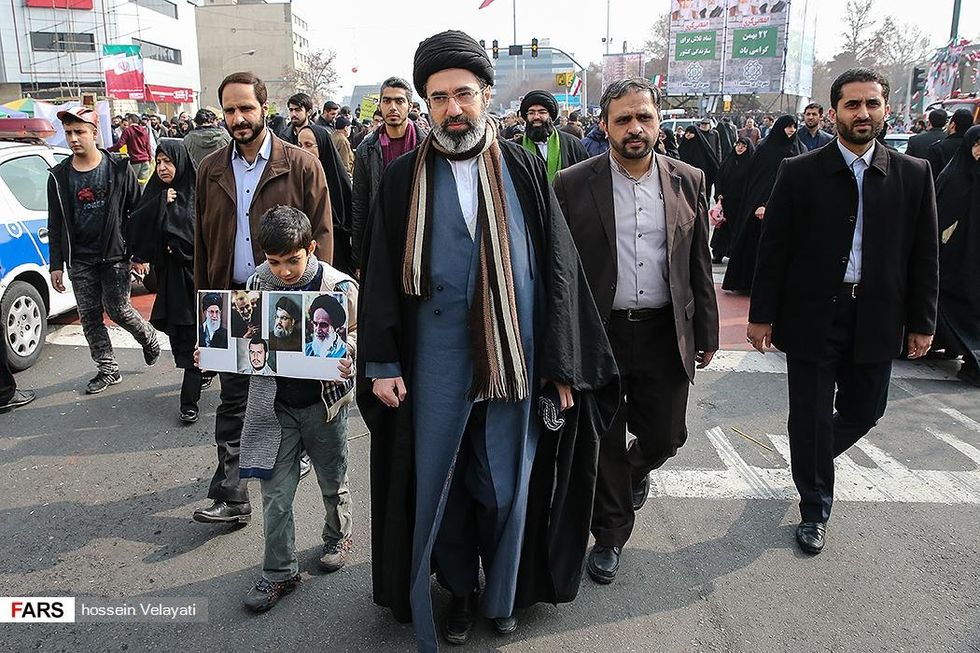
- Mojtaba Khamenei was appointed Supreme Leader after Ali Khamenei was killed in US-Israeli airstrikes, but his public absence since the war began has given hardliners nearly full rein over domestic and foreign policy.
- Masoud Pezeshkian and Foreign Minister Abbas Araghchi joined Ali Khamenei's July 2026 funeral procession while hardline supporters shouted “traitor” and threatened violence, exposing the limits of reformist participation.
- IRGC forces were prepared to exploit ambiguities in the June 17 MOU to confront the United States: after the fragile ceasefire broke down, Iran launched a June 25 drone strike on shipping in the Strait of Hormuz without officially acknowledging responsibility.
- Gholam-Hossein Mohseni-Ejei was tasked with pursuing a “judicial transformation” to prosecute and punish Iranians suspected of collaborating with the “arrogant powers,” extending the regime's security campaign into the judiciary.
Why it matters: Trump's August 19, 2026, economic threat is described as reinforcing Iran's hardline security officials, who treat war and external pressure as tools of regime survival. For Pezeshkian's reformist camp, the June 13, 2025, 12-Day War already expanded that apparatus, and the June 25 Hormuz drone strike showed military leaders were willing to exploit ceasefire ambiguities.
Ask SkimNews