Uber's AV Lab collects robotaxi data from ridehail trips — SkimNews

Get the Tech newsletter
Daily tech — startups, AI labs, chips, the launches that shape the next decade. Free.
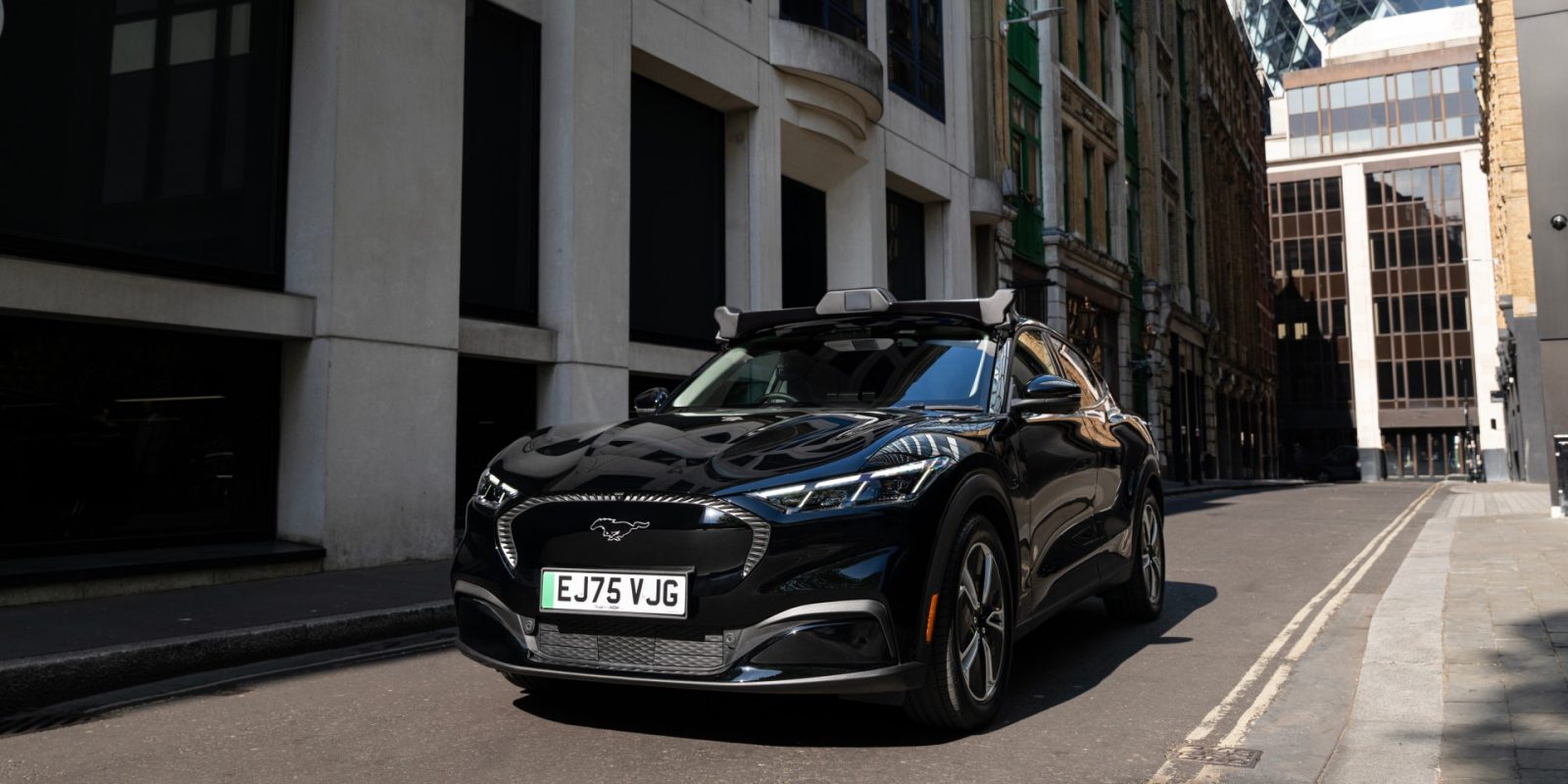
- Uber launched its AV Lab, putting sensor-equipped vehicles (cameras, lidar, radar) on its ridehail network to gather data for its dozens of robotaxi partners; the cars are manually driven, complete regular Uber trips, and generate revenue along the way.
- Balaji Krishnamurthy, Uber's CFO, said on X the fleet will produce at least 2 million miles of data per month by year's end, scaling further in 2027, and theorized that AV operators need at least 10 million miles to reach their first public driverless launch.
- Uber sold its AV division in 2020 after one of its self-driving cars killed a woman in Tempe, Arizona, then pivoted to acting as a platform for AV startup partners rather than developing the technology itself.
- The AV Lab data will be provided free to partners including Wayve, WeRide, Nuro, and Waabi, a move the source frames as an acknowledgment that many AV developers lack the cash reserves of leaders like Waymo and Tesla.
- The project launches with a single Hyundai Ioniq 5, though Uber told TechCrunch it isn't committed to that specific vehicle model.
- The AV Lab follows Uber's earlier Uber Autonomous Solutions initiative, a broader suite of services for robotaxi partners that includes access to training data from thousands of test vehicles operating in dozens of cities.
Why it matters: Uber's return to running its own autonomous-equipped vehicles is a sharp strategic reversal after exiting AV development in 2020 following the Tempe fatality. By providing free, high-volume driving data (targeting 2 million miles monthly) to cash-constrained partners like Wayve, WeRide, Nuro, and Waabi, Uber cements itself as the indispensable platform layer in robotaxi — earning revenue from ridehail trips on the same fleet that subsidizes partners competing with Waymo and Tesla.
Ask SkimNews