Results are in! These teams are moving on to the 2026 Electrek American Solar Challenge — SkimNews

Get the Energy newsletter
Daily energy & climate — solar, EVs, oil, the policy fights and tech bets shaping the transition. Free.
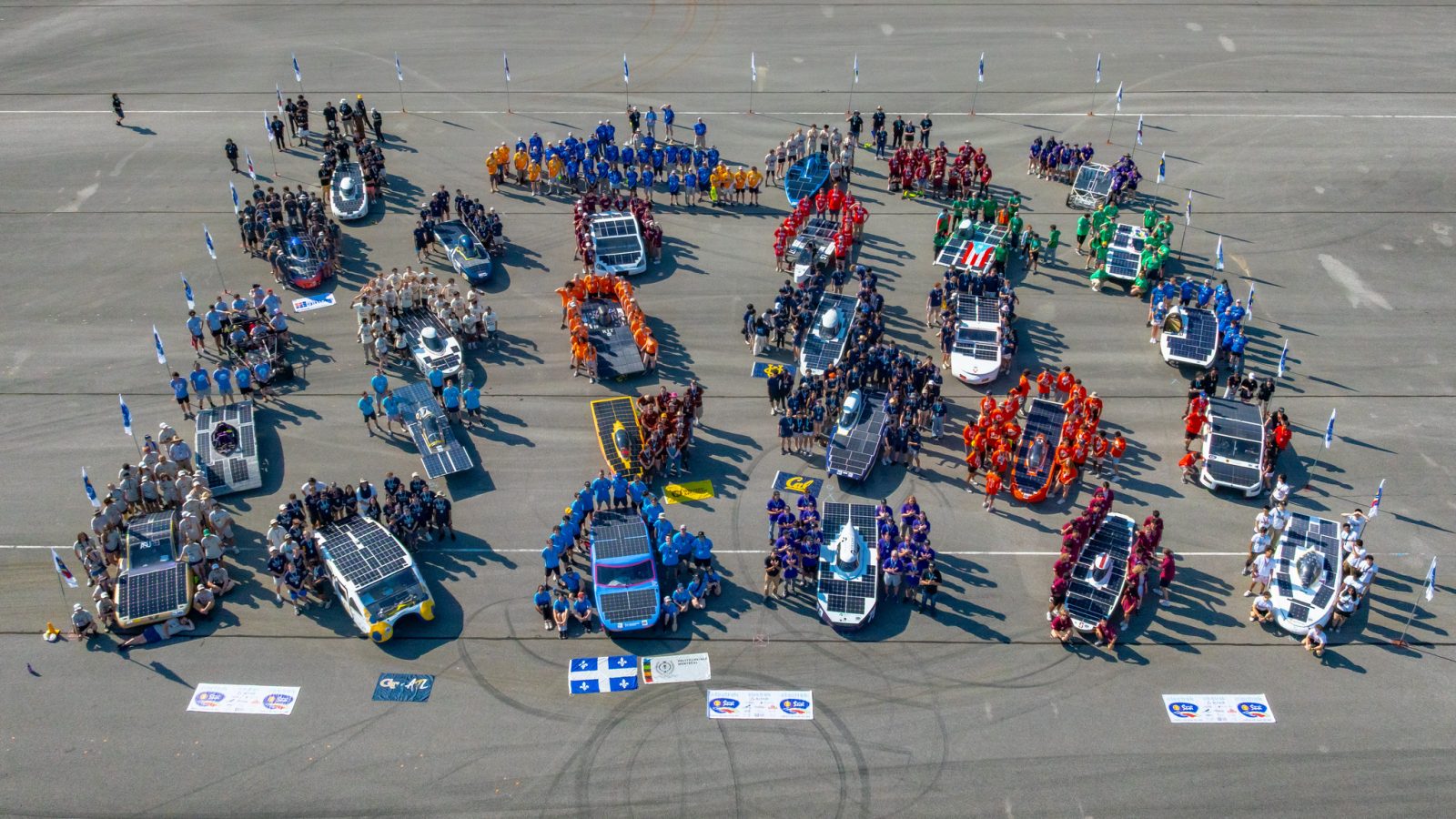
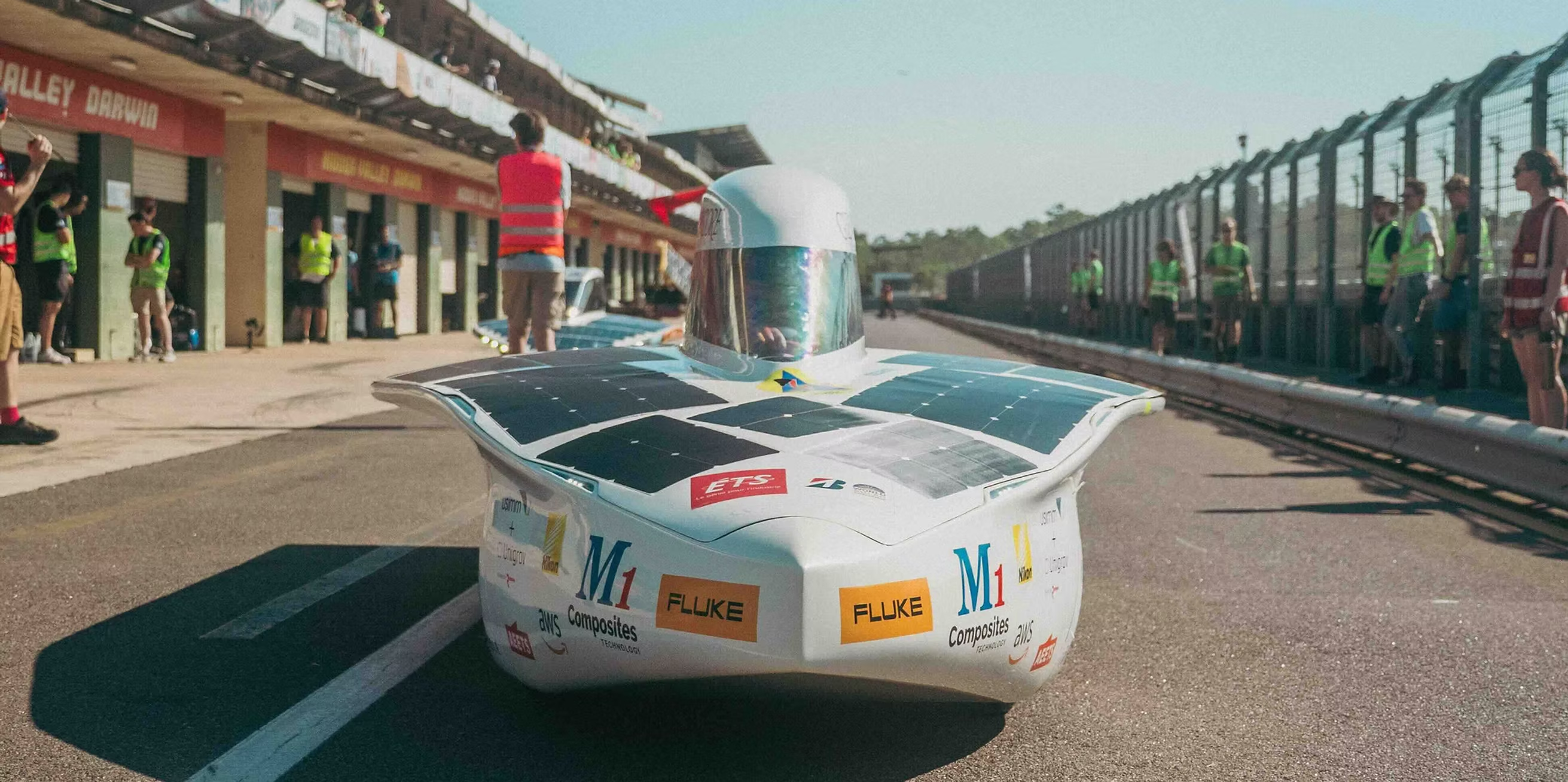
- École de technologie supérieure swept the Single-Occupant Vehicle class at FSGP with 345 laps (roughly 1,070 miles), an event record for exceeding 1,000 miles driven during the track event.
- Delft University of Technology took second in SOV with 319 laps and set the event's fastest lap at 3:12, roughly 58 mph, on a student-built solar car.
- Georgia Tech Solar Racing won the Multi-Occupant Vehicle class with a perfect 100 score, 244 laps, and nearly 2,000 person-miles, while Appalachian State's Team Sunergy and Polytechnique Montréal's Esteban both ran the entire event on zero external kWh.
- University of California, Berkeley claimed the $10,000 grand prize in the Siemens Challenge for redesigning a battery enclosure, with University of Florida and University of Minnesota taking second and third.
- Three provisional spots went to Illinois, SIUE, and Wisconsin, meaning up to 19 cars could start the cross-country route, though none of the provisional teams cleared the on-track mileage bar.
- Day three proved decisive as Principia College jumped from 6 to 80 laps and Berkeley went from 40 to 84, punching through the ASC qualification threshold in the final hours.
- The 2026 American Solar Challenge begins July 25 at the University of Minnesota and runs 1,500-plus miles along the Great River Road and Historic Route 66, finishing August 1 in Amarillo, Texas.
Why it matters: The FSGP mileage bar acts as a hard gate for the cross-country race, and only 19 of 39 entrants made it through, meaning more than half the field goes home without competing on the main stage. The MOV class remains thin — only three of nine entries qualified — which raises real questions about the format's viability going forward. With the cross-country route stretching 1,500-plus miles to Amarillo, the qualifying teams now face a much longer and more punishing test of their solar vehicles.
Ask SkimNews