African Mycologists Release Cotonou Declaration on Fungi — SkimNews

Get the Energy newsletter
Daily energy & climate — solar, EVs, oil, the policy fights and tech bets shaping the transition. Free.
- Anna Ralaiveloarisoa, Madagascar's first homegrown mycologist, is working to classify 200 new species she has identified, noting that less than 1% of Madagascar's estimated 100,000 fungi species have been scientifically described.
- The International Congress on Fungal Conservation in Cotonou, Benin (November 2024) drew mycologists from 27 countries across four continents, with several attendees being the only — or one of very few — mycologists in their nation.
- Sydney Ndolo Ebika, the Republic of the Congo's first mycologist, established the country's first fungarium after originally teaching himself by cold-emailing mycologists abroad and photocopying textbooks in Edinburgh.
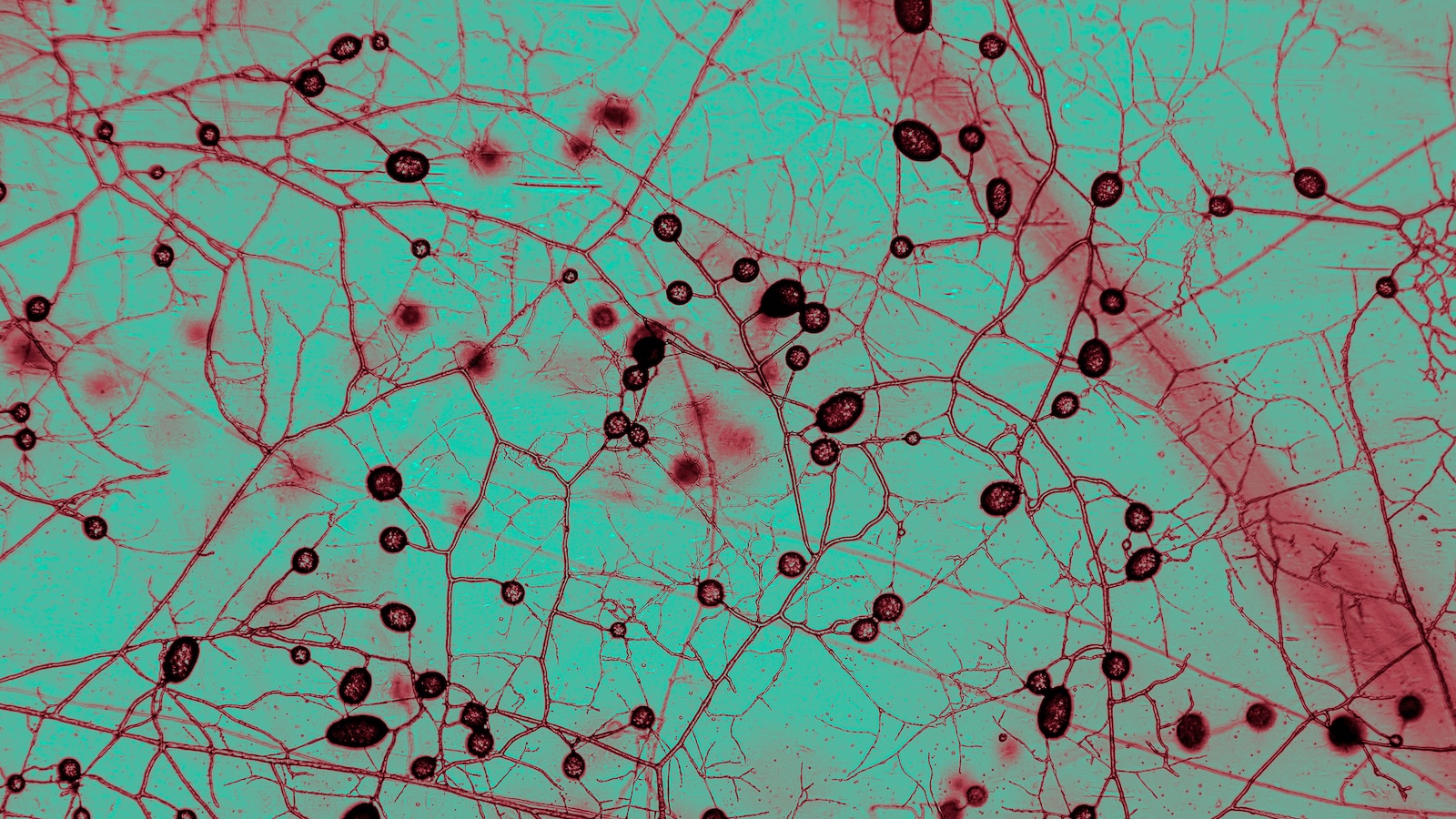
- A 2025 Nature study found less than 10% of predicted hotspots of mycorrhizal fungal richness are protected, and a separate recent study found up to 36% of annual fossil-fuel CO2 emissions are stored in underground mycelium.
- Following the congress, participants released the Cotonou Declaration, co-written by mycologists from four continents, codifying global priorities for fungal conservation and addressing the 'persistent under-representation of fungi.'
- The 'fungal conservation pledge' first proposed at UN Cop16 in Colombia (2024) will be discussed again at the upcoming biodiversity Cop in Armenia, a potential inflection point for binding fungi into global frameworks.
- Cathy Sharp documented Zimbabwean children's mushroom knowledge through drawings detailed enough to identify by genus, and is now campaigning to restore fungi to Zimbabwe's junior curriculum after Covid-era policy changes removed it.
Why it matters: The Cotonou Declaration and the upcoming UN Cop in Armenia could mark the first time fungi — which underpin 90% of terrestrial plants and store up to 36% of fossil-fuel CO2 in soil — are formally embedded in global biodiversity policy, and Africa's first generation of mycologists are positioning themselves as the movement's backbone.
Ask SkimNews