Dutch Court: Mime Pedaling Counts as Real E‑Bike Pedaling — SkimNews
SkimNews Take
The ruling highlights the legal system's struggle to adapt existing regulatory frameworks to new technologies, forcing literal interpretations of physical actions to fit novel mechanical assistance.
Get the Energy newsletter
Daily energy & climate — solar, EVs, oil, the policy fights and tech bets shaping the transition. Free.
- A Dutch court ruled that 'mime pedaling' — short up-and-down pedal movements that activate an e-bike's cadence sensor without full 360-degree revolutions — still counts as pedaling under EU e-bike regulations.
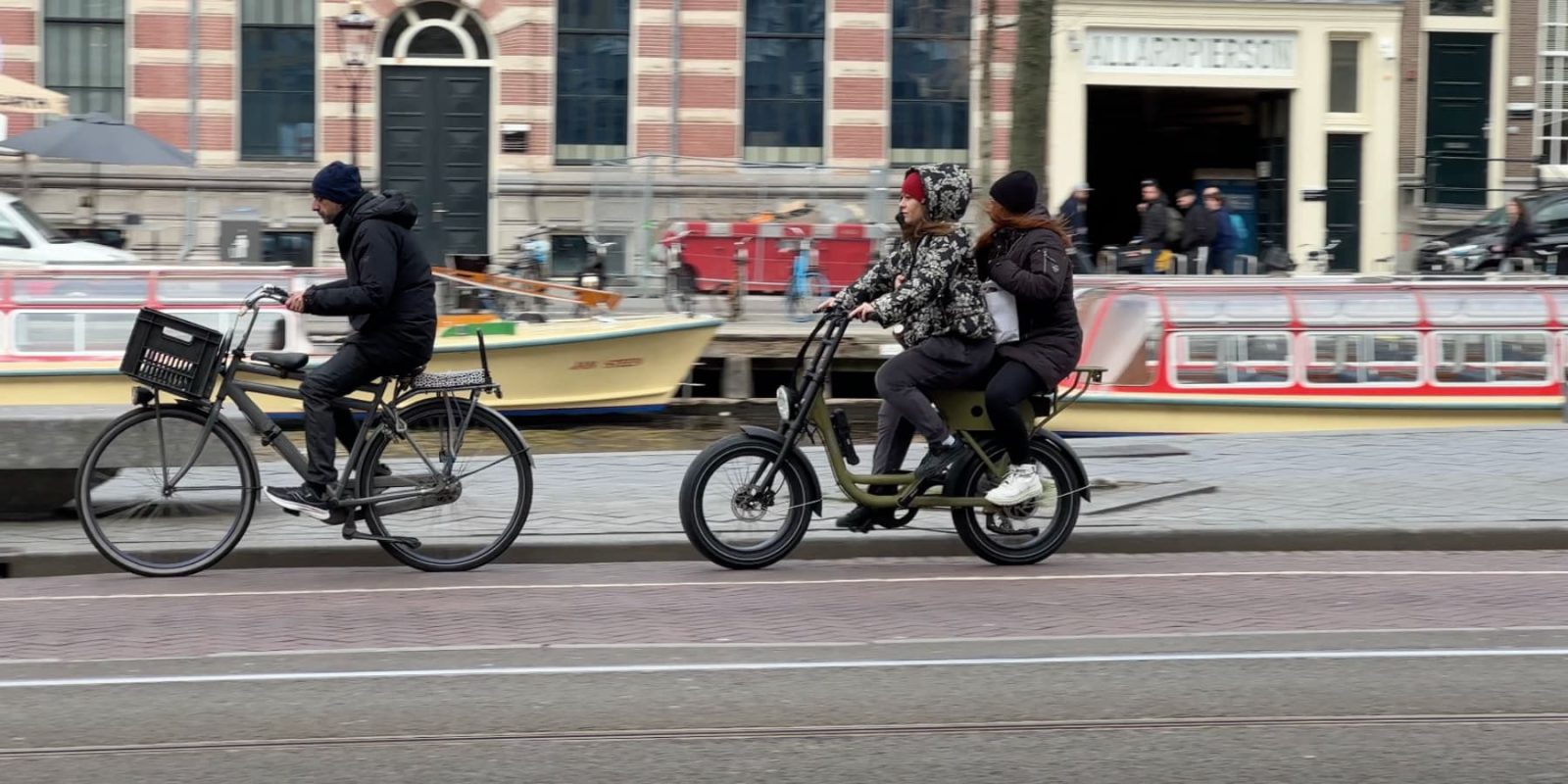
- Police had seized a Phatfour fat tire e-bike from a rider they observed potentially exceeding the 25 km/h (15.5 mph) legal limit and making choppy, non-circular pedal movements rather than full pedal strokes.
- Product compliance expert Rutger Oldenhuis testified after performing road and roller tests, concluding the bike itself was fully compliant: its motor cut out at 25 km/h, it had no throttle, and it stayed within legal power limits.
- Oldenhuis concluded that Dutch law provides no basis for requiring a complete 360-degree pedal revolution, noting that cadence sensors detect any pedal movement and that even on a normal freewheel bicycle, limited up-and-down motion still propels the bike forward.
- The court accepted the expert's opinion that the Phatfour e-bike was unmodified and legally compliant, ruling that police must return the bike to its owner.
- The case underscores that many non-compliant e-bikes — especially cheap imports with hand throttles, overpowered motors, or rider 'tuning' — remain subject to seizure regardless of pedaling style, with EU law requiring motor assistance only when the rider is pedaling and cutting out at 25 km/h.
Why it matters: The ruling protects riders of compliant e-bikes from seizure based purely on pedaling form, while reinforcing that the actual legal test is whether the bike itself meets EU specs — motor cutoff at 25 km/h, no throttle, legal power limits. For manufacturers of cadence-sensor e-bikes like Phatfour, the decision validates that minimal pedal input is legally sufficient; for cheap modified imports, the bar for seizure remains low.
Ask SkimNews