E‑bike shift to thumb throttles sparks rider backlash — SkimNews
Get the Energy newsletter
Daily energy & climate — solar, EVs, oil, the policy fights and tech bets shaping the transition. Free.
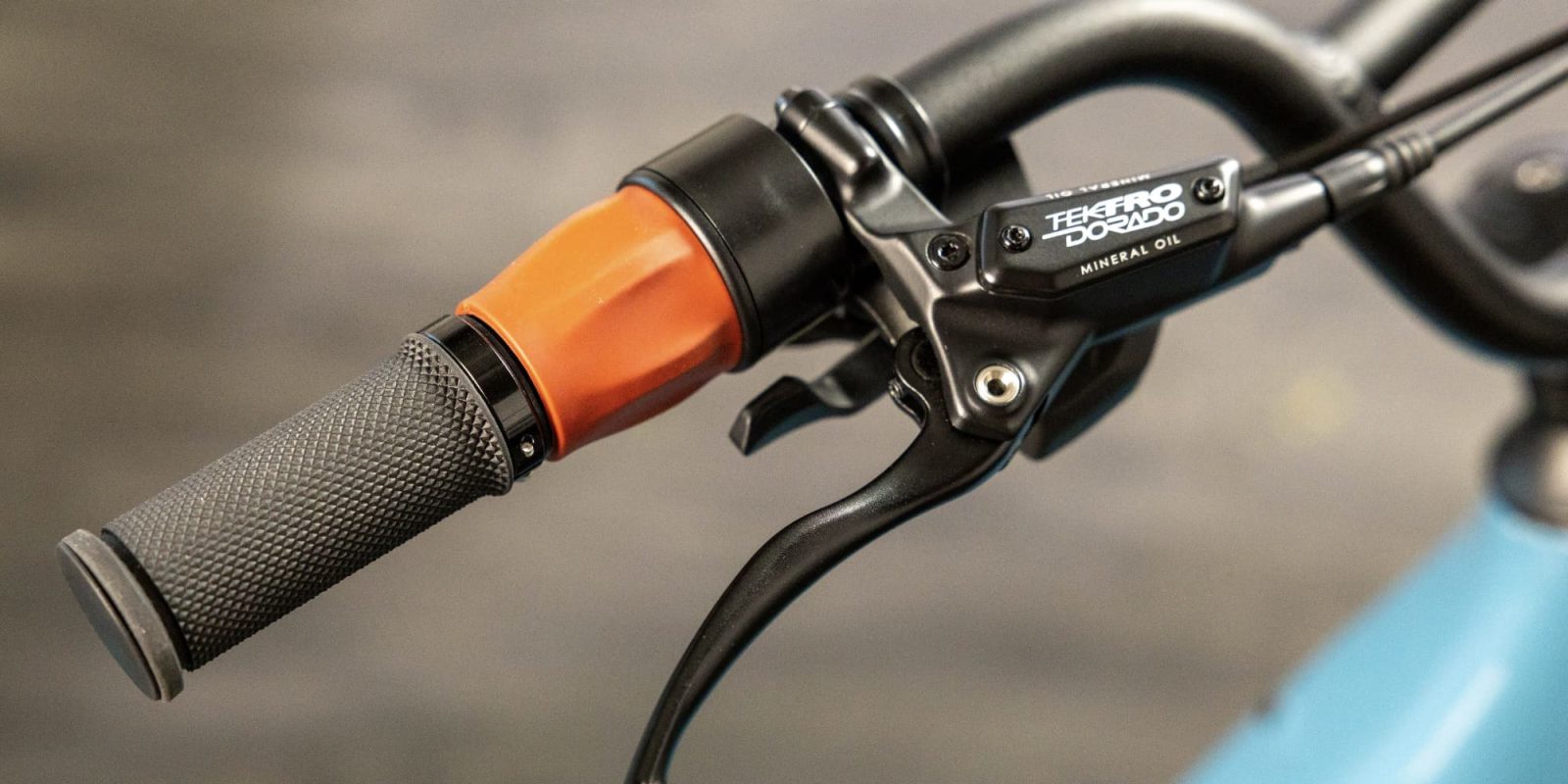
- Half‑twist throttles were common on e‑bikes for a decade, offering natural control, all‑finger grip, and low fatigue, but have been largely replaced in the past five to ten years.
- Thumb throttles now dominate, placed on the left side, because they reduce accidental activation (e.g., “whiskey throttle”) and fit crowded modern handlebars with shifters, displays, and controls.
- Manufacturers cite safety and liability concerns as primary reasons for the shift, noting that thumb throttles require deliberate activation and are harder to trigger unintentionally.
- Riders report that thumb throttles cause thumb fatigue and make maintaining steady throttle harder on bumpy terrain, unlike half‑twist throttles that stay fixed in the grip.
- Juiced and Ariel Rider continue to use half‑twist throttles on higher‑performance models, valuing the ergonomic benefits for throttle‑dominant riding.
- Sur Ron is referenced as an example where novice riders can unintentionally over‑accelerate, illustrating the safety motivation behind thumb throttle adoption.
Why it matters: Manufacturers and novice riders gain safer, liability‑friendly throttles that fit crowded handlebars, while experienced riders lose the ergonomic advantages of half‑twist throttles, facing more thumb fatigue and less precise power control and may struggle to maintain steady throttle on uneven terrain.
Ask SkimNews