E-Bike Boom Quietly Outweighs Its Headlines
SkimNews Take
Safety incidents dominate headlines precisely because they're vivid and rare, creating a feedback loop where visible harms drive regulation while the cumulative reduction in car trips—pollution, congestion, parking demand—remains statistically invisible to policymakers.
Get the Energy newsletter
Daily energy & climate — solar, EVs, oil, the policy fights and tech bets shaping the transition. Free.
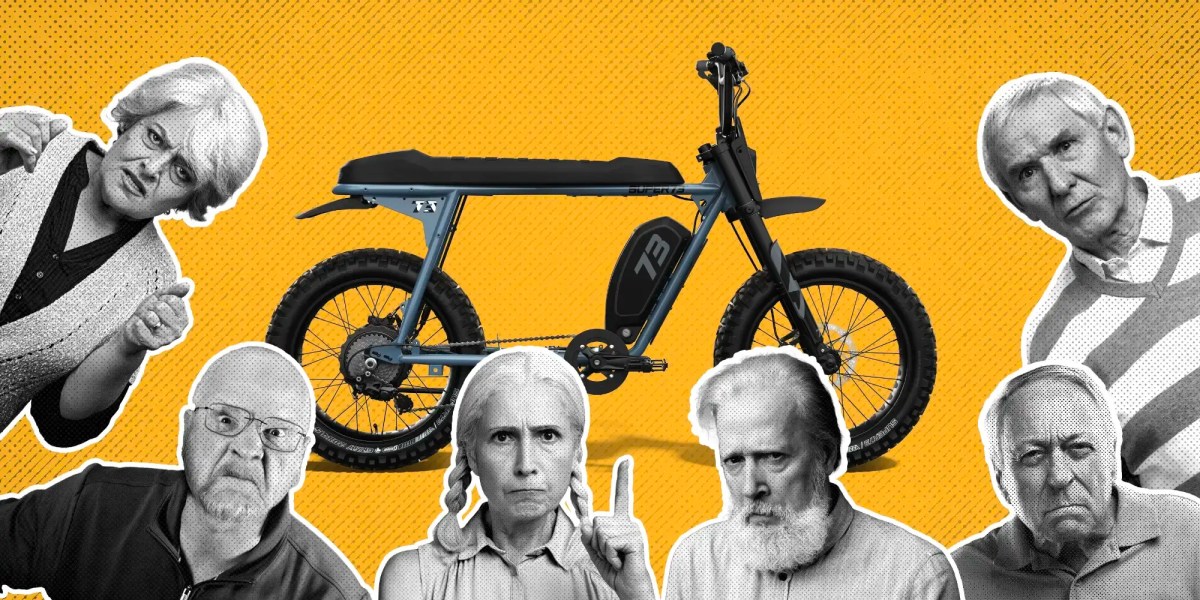
- E-bike safety incidents such as reckless teen riding, sidewalk speeding, and battery fires dominate news coverage despite being a small share of total usage, according to a writer who has covered the industry for nearly two decades and ridden hundreds of models.
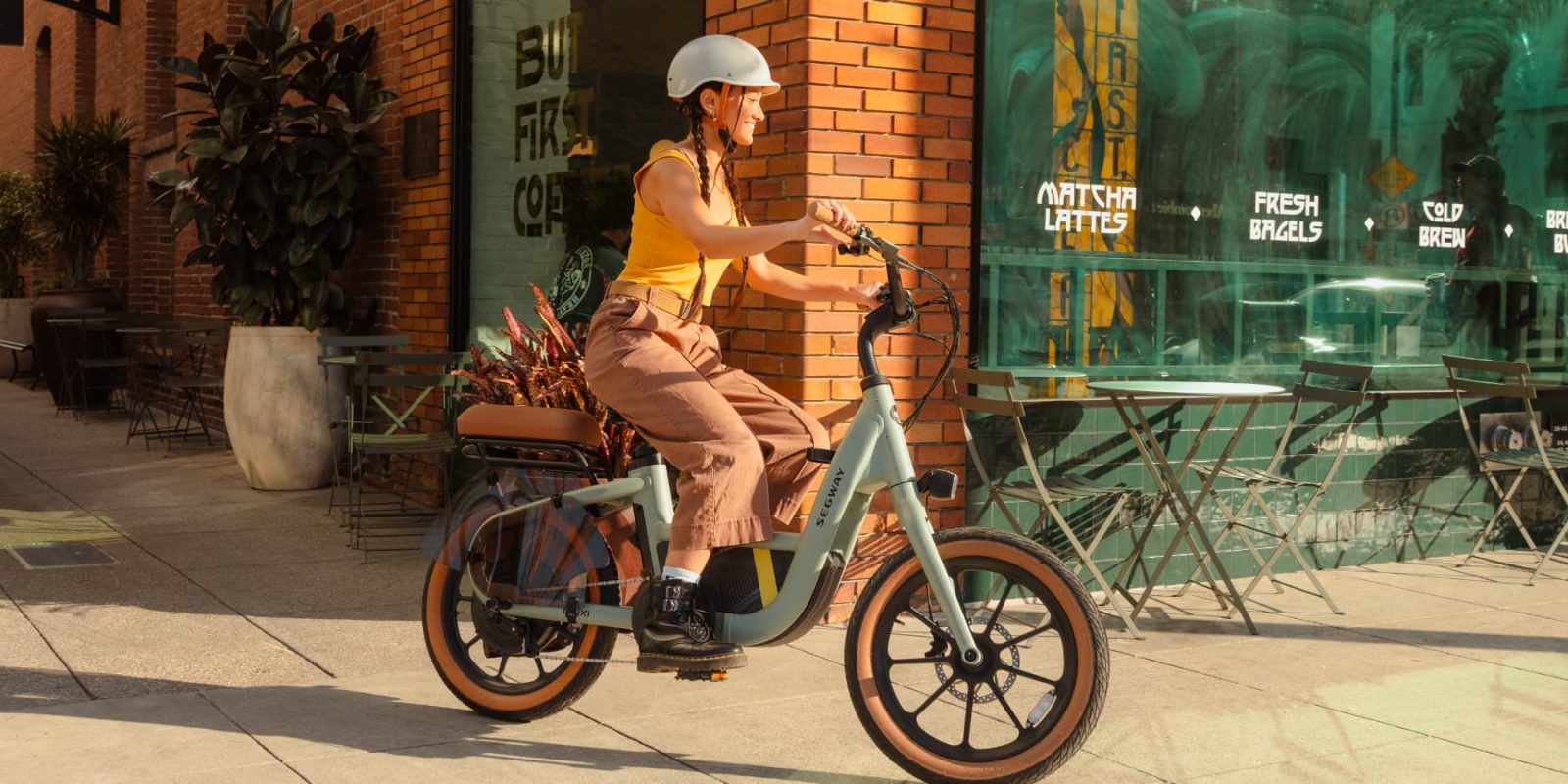
- Commuters, retirees, cargo-bike parents, college students, and delivery workers represent millions of users who have quietly replaced car trips with e-bikes — stories that rarely generate headlines because they aren't dramatic.
- Scientific studies cited in the piece consistently show e-bike riders receive meaningful cardiovascular exercise, often riding farther, more frequently, and more consistently than they would on traditional bicycles because the motor removes barriers like hills, distance, and fitness level.
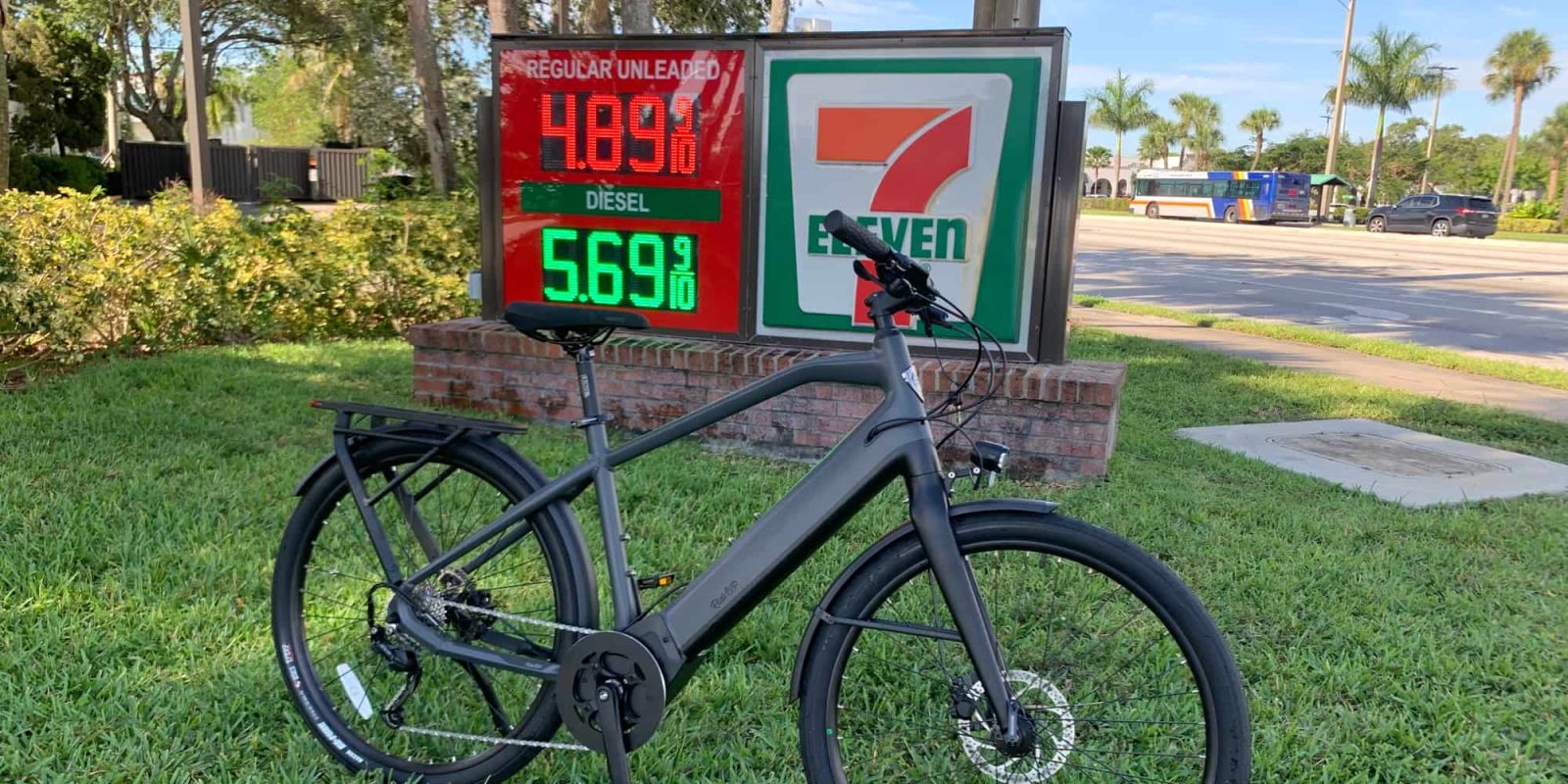
- Every car trip replaced by an e-bike reduces traffic congestion, air pollution, emissions, parking demand, and street noise, with benefits that extend beyond the individual rider into the surrounding community.
- Teenagers in car-centric communities are using e-bikes to regain the bicycle-era independence older generations had on bikes like the Schwinn Stingray — reaching beaches, part-time jobs, and friends without relying on parents for driving.
- The author's policy prescription favors better rider education (potentially integrated into schools), stronger battery safety standards, enforcement against dangerous riders, and continued investment in protected bike infrastructure — not crackdowns on the mode itself.
Why it matters: Policymakers weighing e-bike regulation face a framing choice: treating the mode by its worst-case viral incidents risks choking off a transportation shift the author documents as quietly turning millions of car trips into healthier, cheaper, lower-emission rides. The piece argues the responsible policy response is targeted enforcement, battery standards, and protected lanes — not broad crackdowns that would penalize the majority of safe riders.