America doesn’t need faster e-bikes. It needs better small electric vehicles — SkimNews
Get the Energy newsletter
Daily energy & climate — solar, EVs, oil, the policy fights and tech bets shaping the transition. Free.
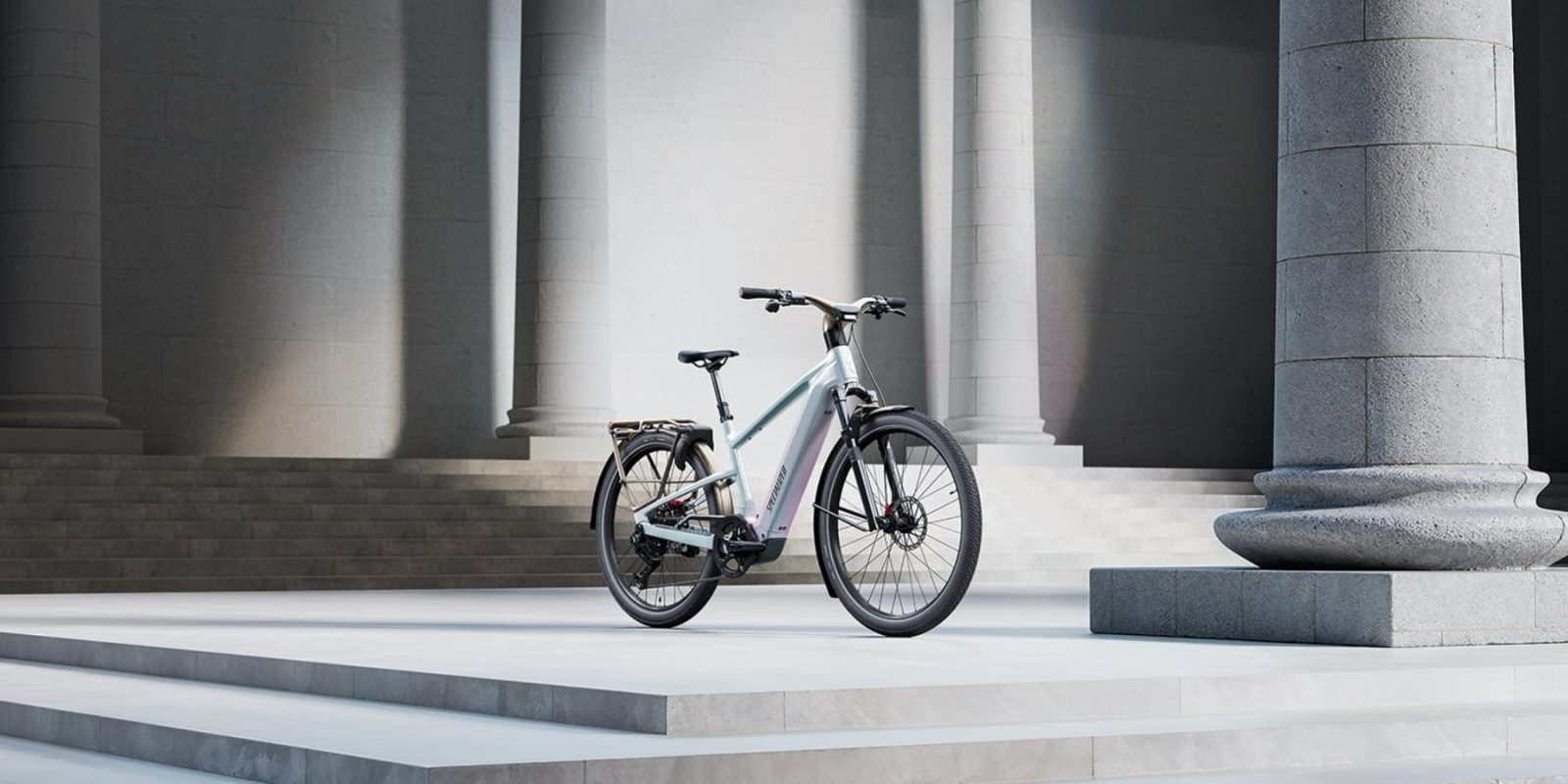
- The US Class 3 e-bike framework caps pedal-assist at 28 mph (45 km/h) with a 750W power limit — a system credited with accelerating e-bike adoption but now strained by riders who want more than a bicycle without buying a full motorcycle.
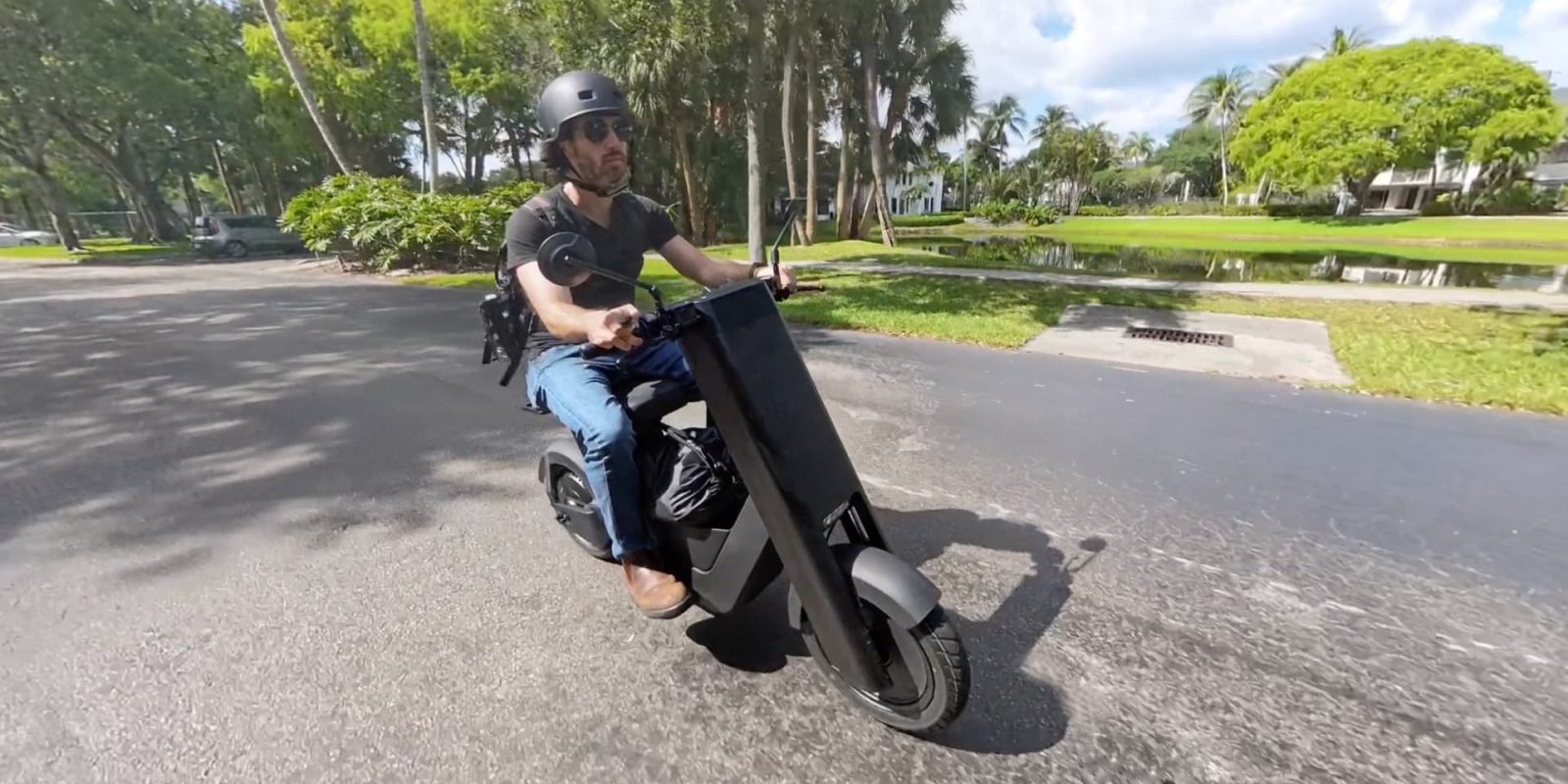
- The Infinite Machine Olto weighs less than a motorcycle yet exceeds e-bike limits, carrying two passengers plus cargo and reaching 35 mph (56 km/h) with a 2,000W power ceiling in its unlocked moped mode.
- The article proposes a new US vehicle class limited to roughly 35 mph, requiring hydraulic brakes, mirrors, turn signals, lighting, registration, and a helmet — banned from bike paths but exempt from full motorcycle regulation aimed at 80 mph (130 km/h) machines.
- Europe and Asia already regulate this middle ground via L1e and L3e classes that split 50cc-style mopeds from higher-power motorbikes, making small electric scooters dominant urban transport in cities abroad.
- Top commenter stetrain countered that 45 mph would be more useful in US suburbs where many cities post 25 mph (40 km/h) limits and traffic flows roughly 10 mph faster than the posted speed.
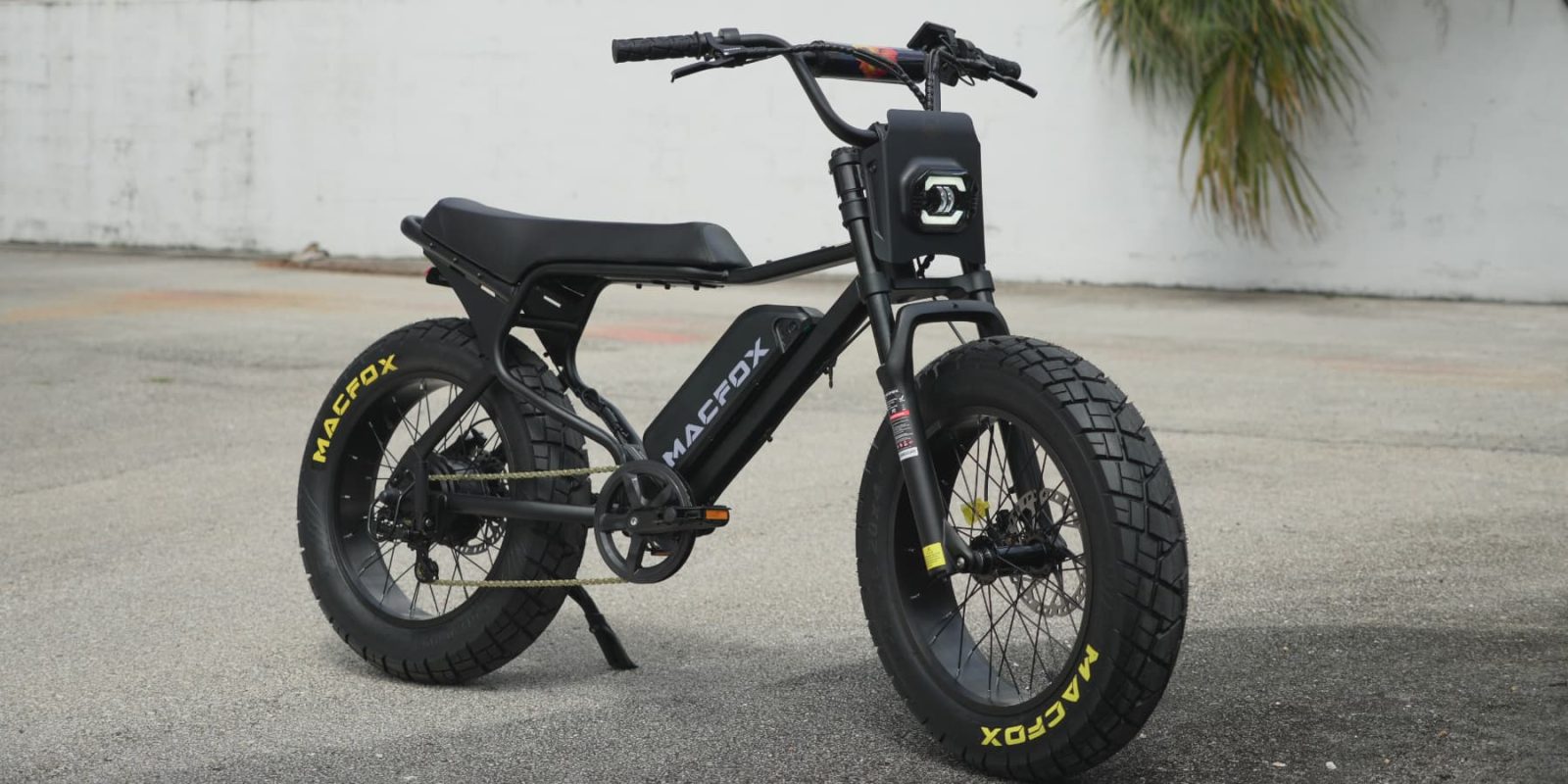
- The Beachman Aviator and Engwe M20 3.0 are among other compact two-wheelers already exceeding Class 3 e-bike limits, evidence the article cites that demand for a regulatory middle tier already exists in the market.
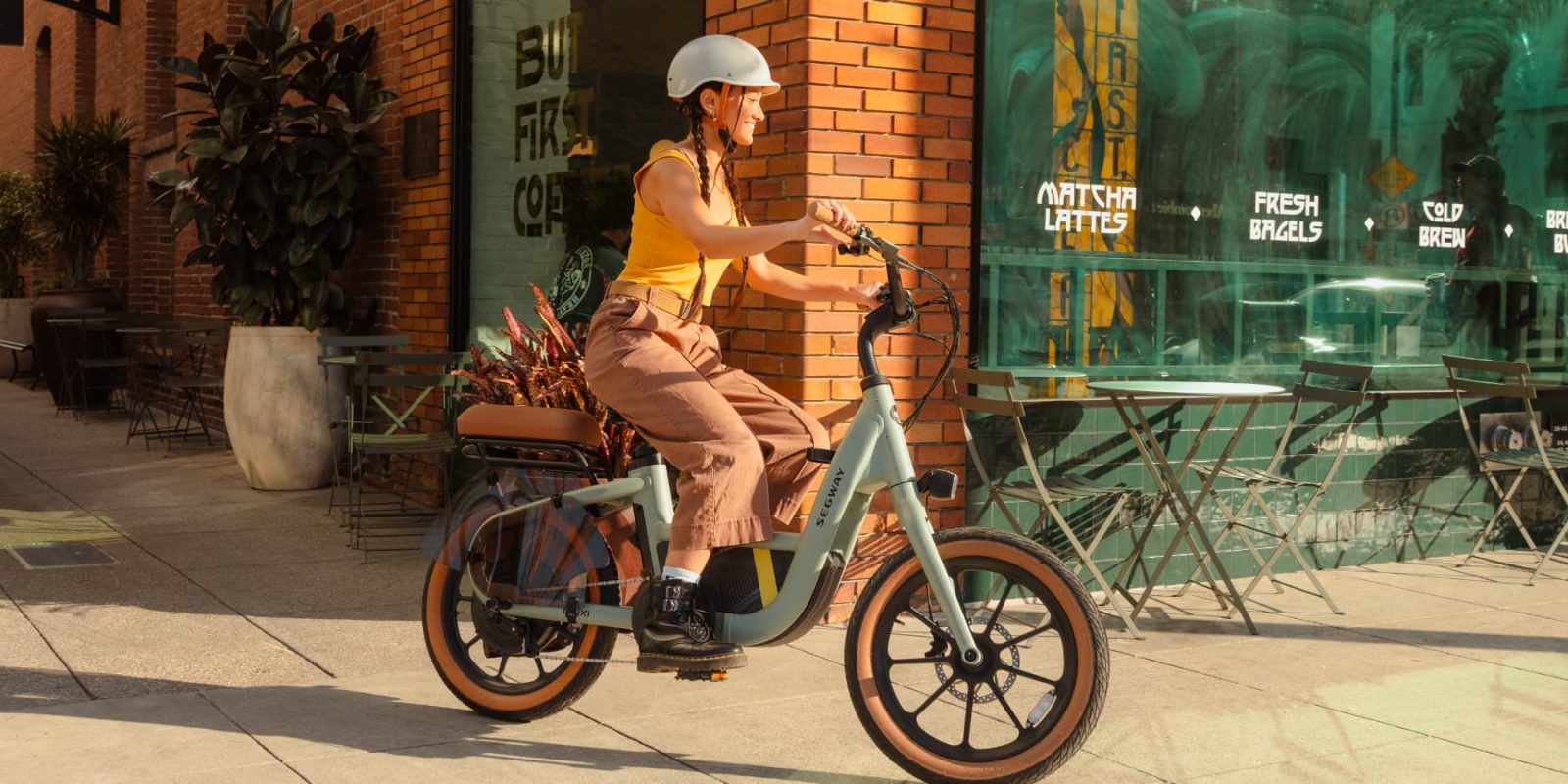
- The author's central framing: bicycles should stay bicycles — lighter, built for bike lanes, and equipped with bicycle-grade suspension, brakes, and lighting — rather than letting the e-bike definition absorb vehicles better served by a new category.
Why it matters: US regulators currently force a binary choice between Class 3 e-bikes capped at 28 mph and full motorcycles, leaving compact EVs like the Olto, Beachman Aviator, and Engwe M20 3.0 in a legal gray zone even though they already sell. A purpose-built ~35 mph class with mirror, brake, and registration requirements would legitimize vehicles that match real urban traffic flow on streets posted at 25 mph without imposing motorcycle-grade burdens on riders or manufacturers.
Ask SkimNews