Why Your Family's Second Car Should Be an E-Bike — SkimNews

Get the Energy newsletter
Daily energy & climate — solar, EVs, oil, the policy fights and tech bets shaping the transition. Free.
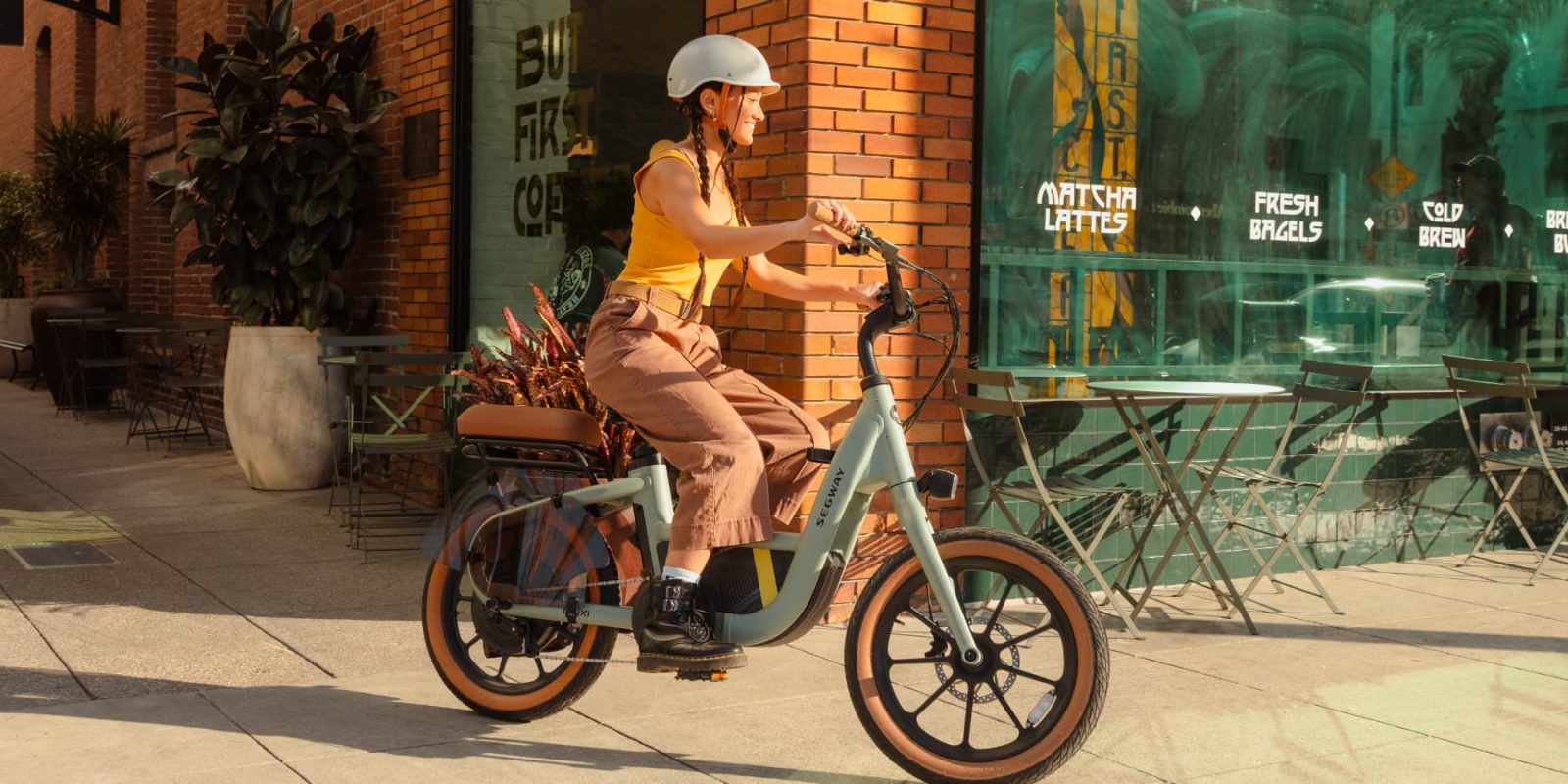
- E-bikes can replace a household's second car for short local trips — school drop-offs, groceries, errands — at a fraction of car ownership costs, which the source says run into thousands of dollars per year per family
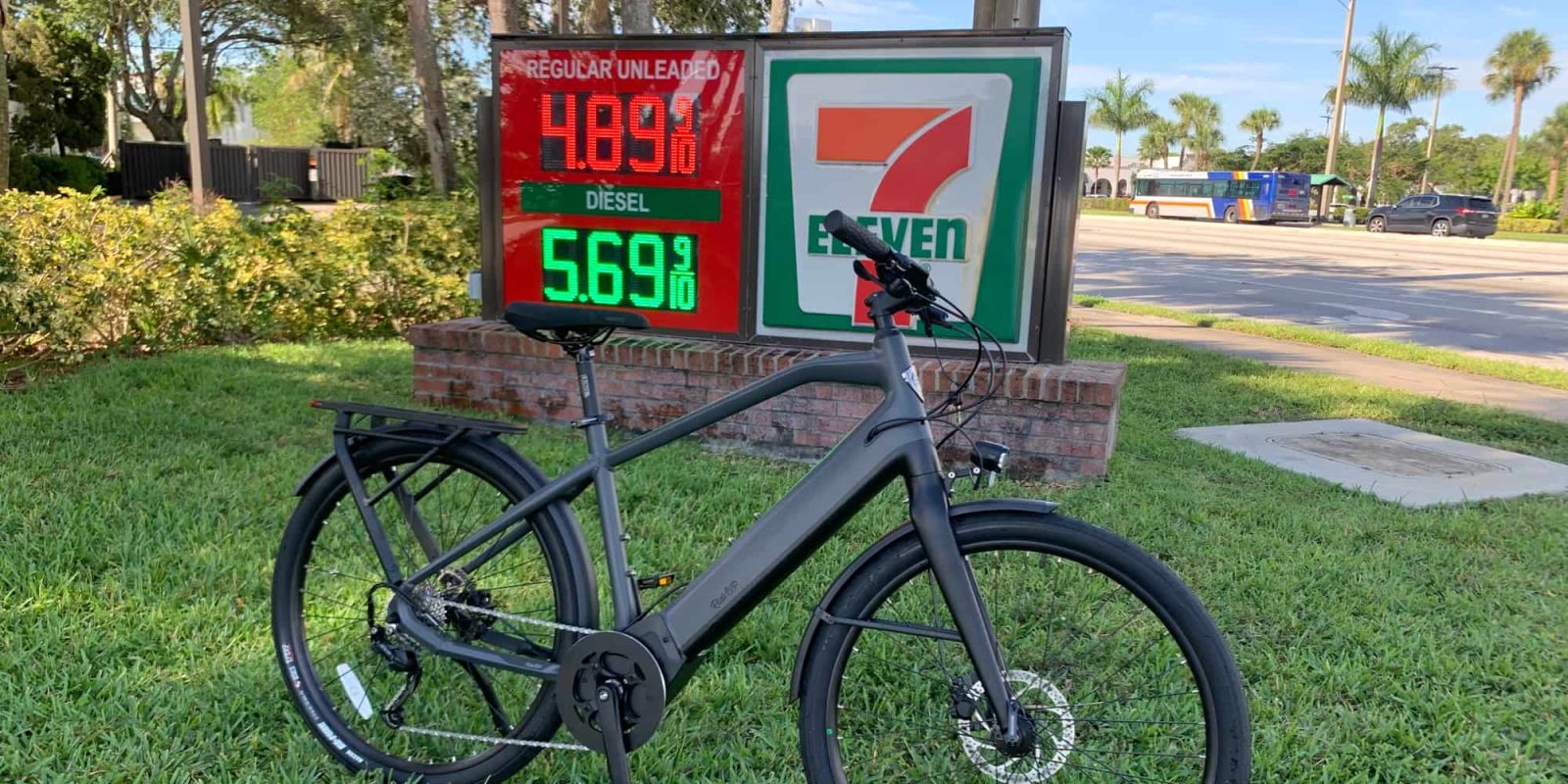
- E-bike charging costs well under $1 per month even for hour-long daily commutes, and solid models are now available for under $1,000, making the payback period against a second car a matter of months
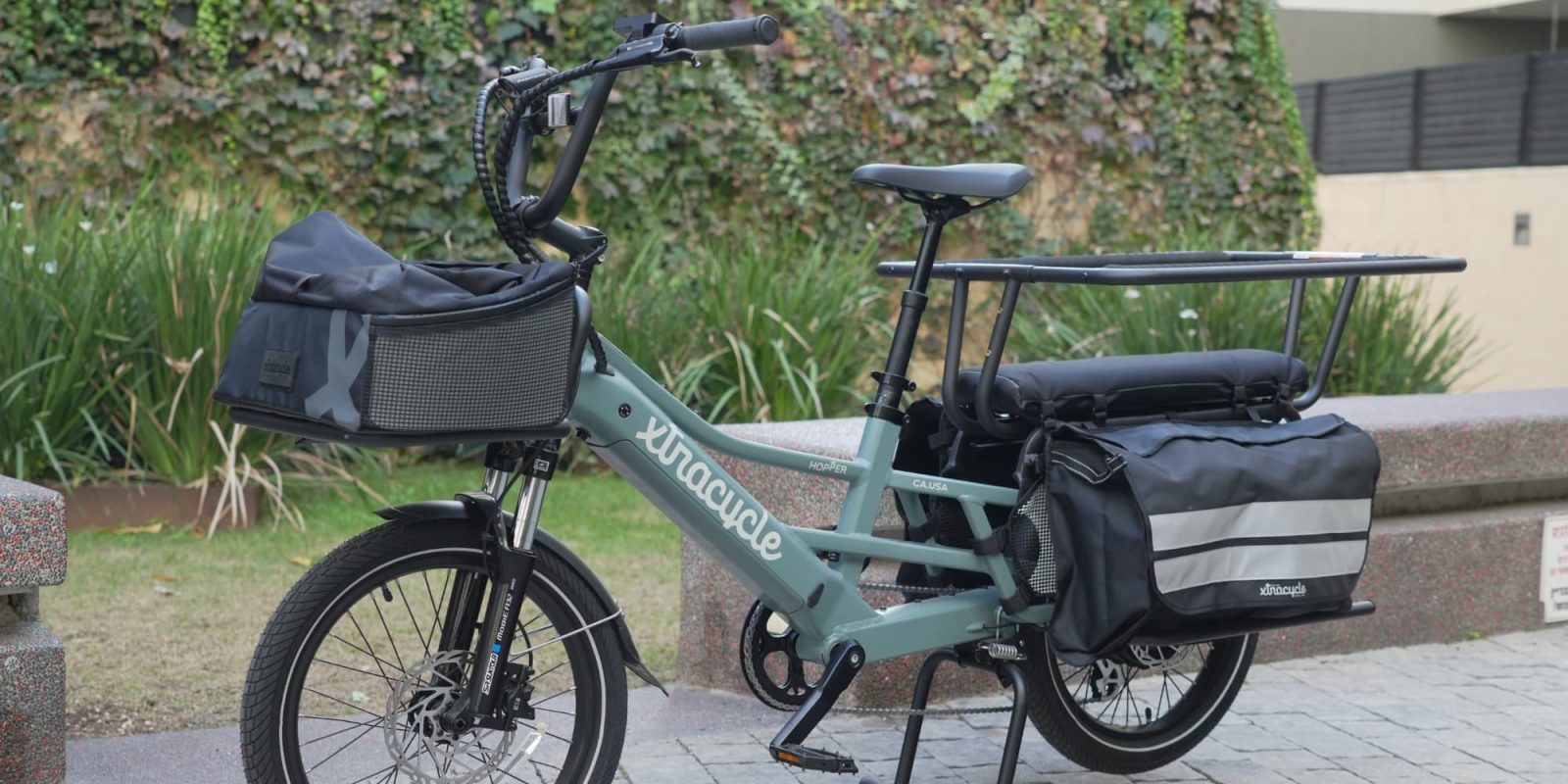
- Cargo e-bikes can haul kids, groceries, sports gear, and pets, and the source frames many local 'car tasks' as 'never really car tasks' that just needed a lighter solution
- Teenagers gain independent mobility for school, jobs, and friends on e-bikes without jumping straight to operating a two-ton vehicle at highway speeds, while younger kids normalize active transport early when riding with parents
- Older adults regain mobility through pedal assist and affordable electric trikes, extending years of outdoor activity and local errands past the point where traditional cycling becomes impractical
- The top comment by user petew pushes back on the e-bike framing, noting that 'kids and teens don't need e-bikes' and that 'people have been replacing car trips for generations' with regular bikes
- E-bike adoption is framed as a community-level shift: quieter streets, less parking pressure, more neighbor interaction, and a feedback loop that pushes cities to invest in safer cycling infrastructure
Why it matters: For families whose second car exists mainly for short local trips, a sub-$1,000 e-bike could pay for itself in months: charging costs pennies while car ownership runs thousands per year. The author frames this as overdue — Europe and Asia have already settled the question, and U.S. transportation costs keep rising.
Ask SkimNews