Gold Surpasses Cocaine as Peru's Top Criminal Trade — SkimNews

Get the Energy newsletter
Daily energy & climate — solar, EVs, oil, the policy fights and tech bets shaping the transition. Free.
- Illegal gold mining has surpassed cocaine trafficking as Peru's most profitable criminal industry, with the illegal trade projected to reach $18 billion by end of 2026 and, for the first time, exceeding legal gold production in the first half of this year
- Gold prices have tripled since the start of COVID-19, exceeding $4,650 per troy ounce in late August after peaking near $5,600 in January, drawing tens of thousands of miners into protected Amazon parks and Indigenous reserves
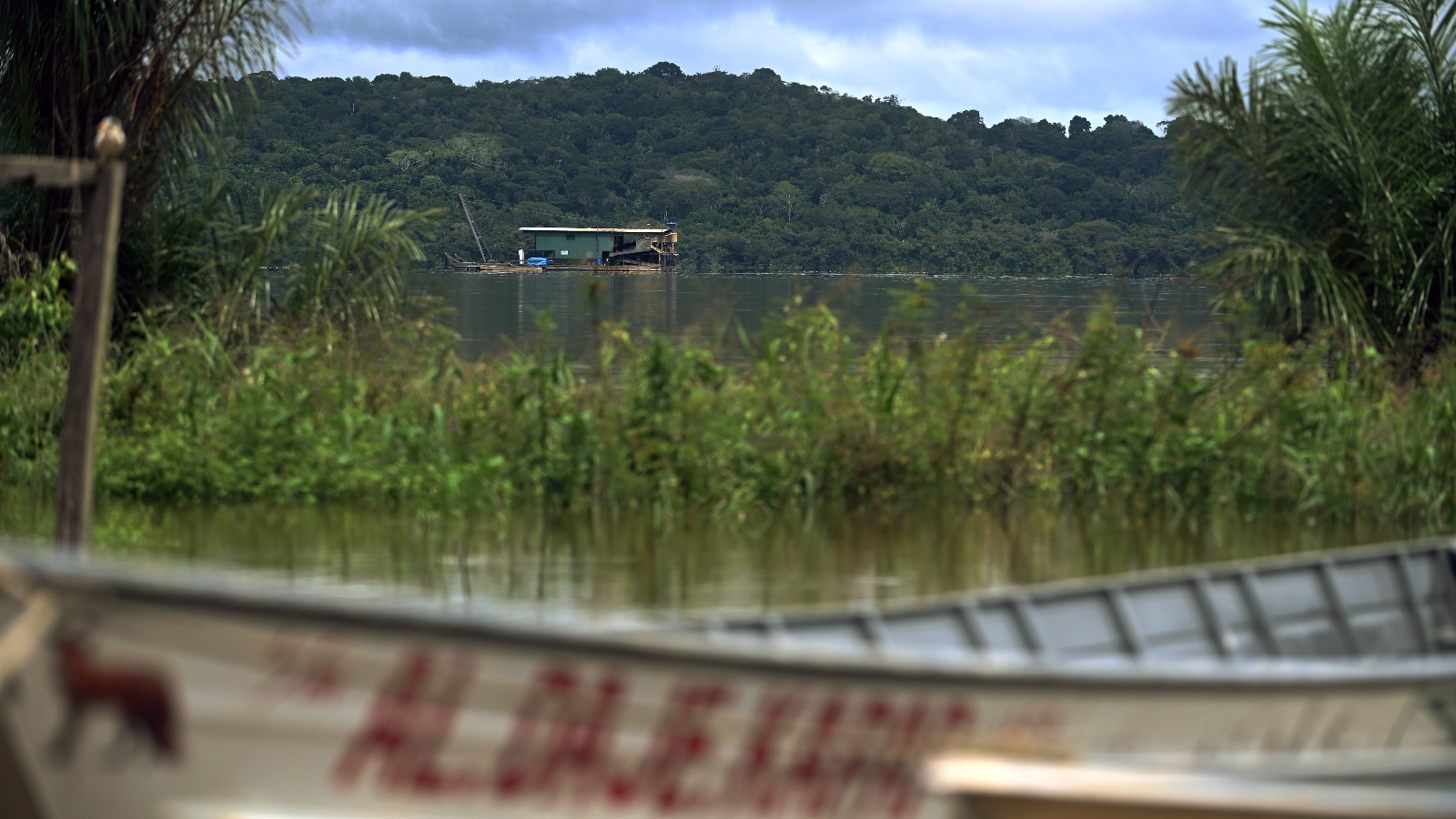
- Operación Mercurio II in late August deployed eight patrols along the Malinowski River, destroying about 150 mining barges and seizing roughly $500 million in machinery, supplies and dredgers—but prosecutors arrested only a handful of low-level workers, mostly cooks, while camp owners fled
- Madre de Dios region has lost more than 140,000 hectares of rainforest to mining—97.5% of all mining-caused deforestation in Peru's Amazon, an area twice the size of California—while a single dredger operating 24/7 can produce 50 grams of gold worth more than $6,000
- Peru's Financial Investigation Unit found illegal mining accounted for nearly 60% of all financial investigations by value between 2021 and 2025, far higher than drug trafficking (8%) or tax crimes (4%)
- Gold extraction releases an estimated 180 tonnes of mercury into Peru's waterways annually, poisoning wildlife and Indigenous communities that depend on freshwater fish as their main protein source
- The Reinfo registration system, extended five times by Congress despite repeated reform pushes, allows informal miners to continue operating without environmental permits and launder illegal gold through formal companies; gang Los Guardianes de la Trocha has meanwhile taken control of a $1 billion trade
Why it matters: Deputy prosecutor Ronal Flores conceded 'they are getting the better of us' after four days of raids that netted only low-level workers—the state has the firepower to destroy $500 million in equipment but not the budget to sustain operations, while Congress has shielded the Reinfo laundering system through five extensions despite a documented 60% share of Peru's illicit financial investigations.
Ask SkimNews