Bolivia cacao towns' mining bans spread to 10+ municipalities — SkimNews

Get the Energy newsletter
Daily energy & climate — solar, EVs, oil, the policy fights and tech bets shaping the transition. Free.
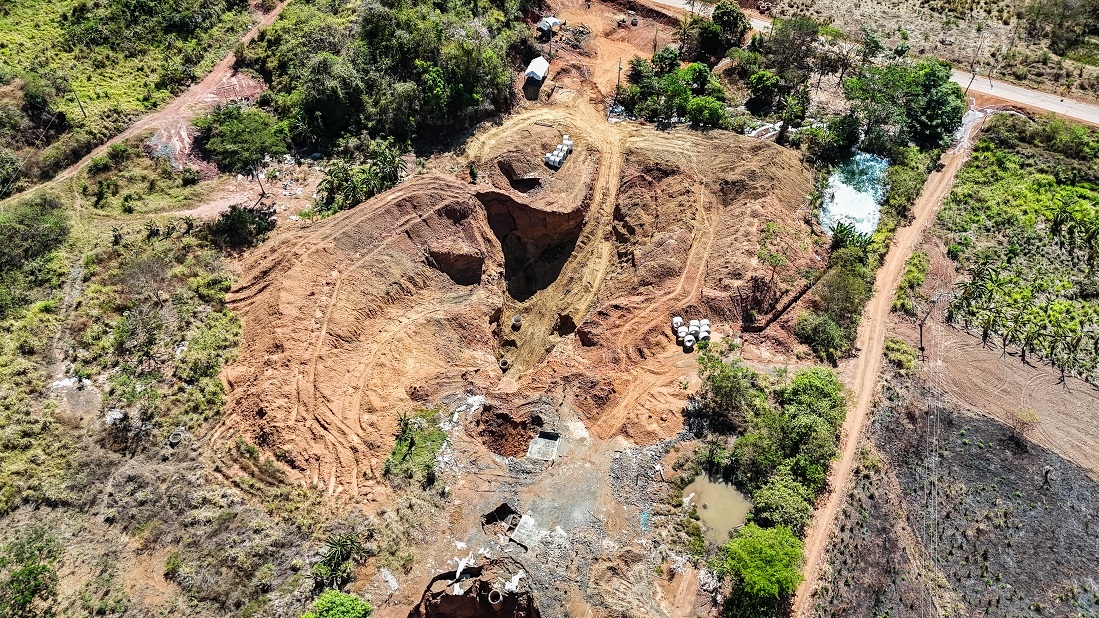
- Palos Blancos and Alto Beni passed local mining bans in 2021 after a 2017 grassroots campaign launched when a mining dredge appeared on the Boopi River; a 2024 departmental law further legitimized the bans against the national government's will.
- El Ceibo, Bolivia's largest organic cacao cooperative with 1,300 members, exported 2,000 tonnes of cacao in 2025 — mostly to Europe and the US — with farmers warning that mercury contamination from mining would strip them of international organic certifications.
- Gold prices surged more than 64% from about $2,000/oz in 2020 to record highs above $5,100/oz in January 2025, fueling illegal mining across Bolivia's protected areas and intensifying pressure on farming communities.
- At least 10 other municipalities and Indigenous territories are now pursuing similar mining bans, with environmental activist Pablo Solón calling local bans "one of the few possibilities to protect the Amazon."
- Bolivia's national government is moving the opposite direction: in February, the new administration considered a decree to fast-track regularization of 3,982 non-compliant mining projects with exemptions from environmental permits, and the mining minister called high gold prices an "opportunity" to export up to $5bn annually.
- Mining-dependent municipalities also showed flexibility: Guanay — where mining is about 80% of the economy — and Teoponte created adjoining conservation areas in 2024, a shift that former environment secretary Ulises Ariñez said would have been unthinkable five years earlier.
Why it matters: The 2021 local bans protect 2,000 tonnes of annual cacao exports for El Ceibo's 1,300 members and are now spreading to 10+ municipalities, but the national government is simultaneously fast-tracking 3,982 non-compliant mining projects — making this a race between grassroots resistance and state-level authorization as gold stays above $5,100/oz.
Ask SkimNews