Peru's Illegal Gold Mining Surpasses Cocaine Trade — SkimNews

Get the Energy newsletter
Daily energy & climate — solar, EVs, oil, the policy fights and tech bets shaping the transition. Free.
- Illegal gold mining has surpassed cocaine trafficking as Peru's most profitable illicit industry, driven by record gold prices that peaked at roughly $5,600/troy ounce in late January.
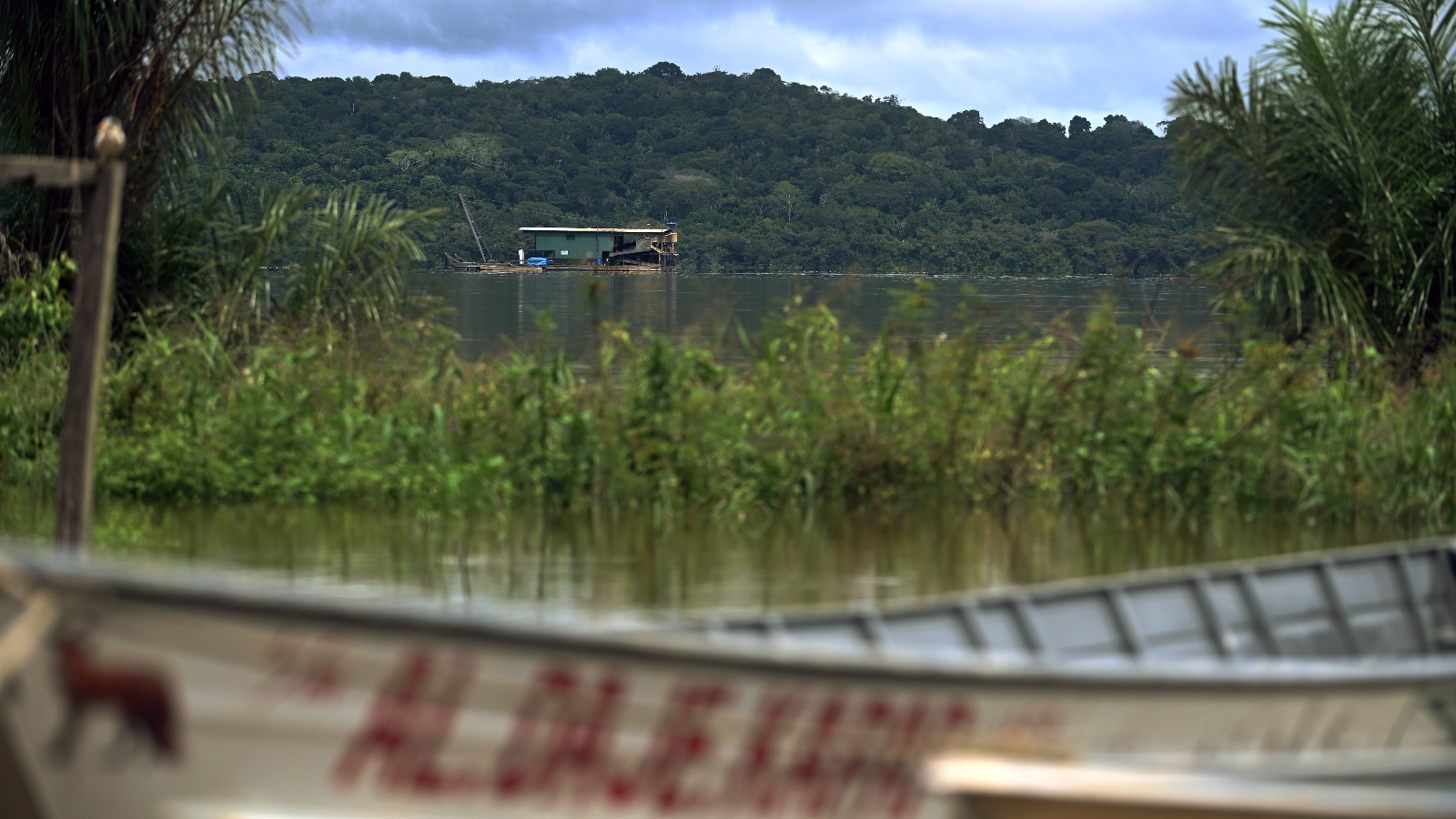
- Operación Mercurio II raids in late August in Tambopata National Reserve destroyed about 150 mining barges and seized an estimated $500m in machinery, supplies, and illegal dredgers.
- Madre de Dios has lost more than 140,000 hectares of rainforest to mining — 97.5% of Peru's total mining-driven deforestation — including 500 hectares within Tambopata park alone in the past year.
- Peru's Financial Investigation Unit found illegal gold accounted for nearly 60% of all illicit finance investigations by value from 2021 to 2025, with the trade potentially reaching $18 billion by end of 2026 after surpassing legal production in H1 2025.
- A single mining dredger running 24/7 produces up to 50 grams of gold daily (worth $6,000+ at late-August prices), and an estimated 180 tonnes of mercury annually contaminates Peru's waterways, poisoning Indigenous communities that depend on freshwater fish.
- La Pampa, the most critical illegal mining hub, saw a 92% deforestation reduction under the original Operación Mercurio, but miners returned and gang Los Guardianes de la Trocha now controls a $1bn trade marked by extortion and hired killings.
- The Reinfo registration system allows informal miners to launder illegal gold into the legal trade; Congress has backed five extensions of the system despite reform pushes, undermining enforcement efforts.
Why it matters: With $500m of equipment destroyed but a single dredger earning $6,000+ daily at current gold prices, miners replace confiscated gear almost immediately. Congressional backing of the Reinfo laundering system — extended five times despite reform pressure — keeps the financial pipeline intact even as raids disrupt operations, ensuring continued deforestation where one region accounts for 97.5% of Peru's Amazon mining damage.
Ask SkimNews