Söderåsen: Sweden's Restored Forest That Was Once Bare — SkimNews

SkimNews Take
Restoration at this scale required deliberately ending the pastoral economy that had degraded the land, suggesting meaningful ecosystem recovery depends less on passive rewilding than on policy choices to de-intensify formerly productive landscapes.
Get the Energy newsletter
Daily energy & climate — solar, EVs, oil, the policy fights and tech bets shaping the transition. Free.
- Söderåsen national park was established in 2001 to protect more than 1,600 hectares (4,000 acres) of the Söderåsen ridgeline in southern Sweden, forming one of northern Europe's largest continuous protected broadleaf forests.
- A sediment core from Odensjön lake revealed that in the 18th and 19th centuries the plateau was largely deforested and burned repeatedly to improve grazing grounds, a stark contrast to today's dense beech forest.
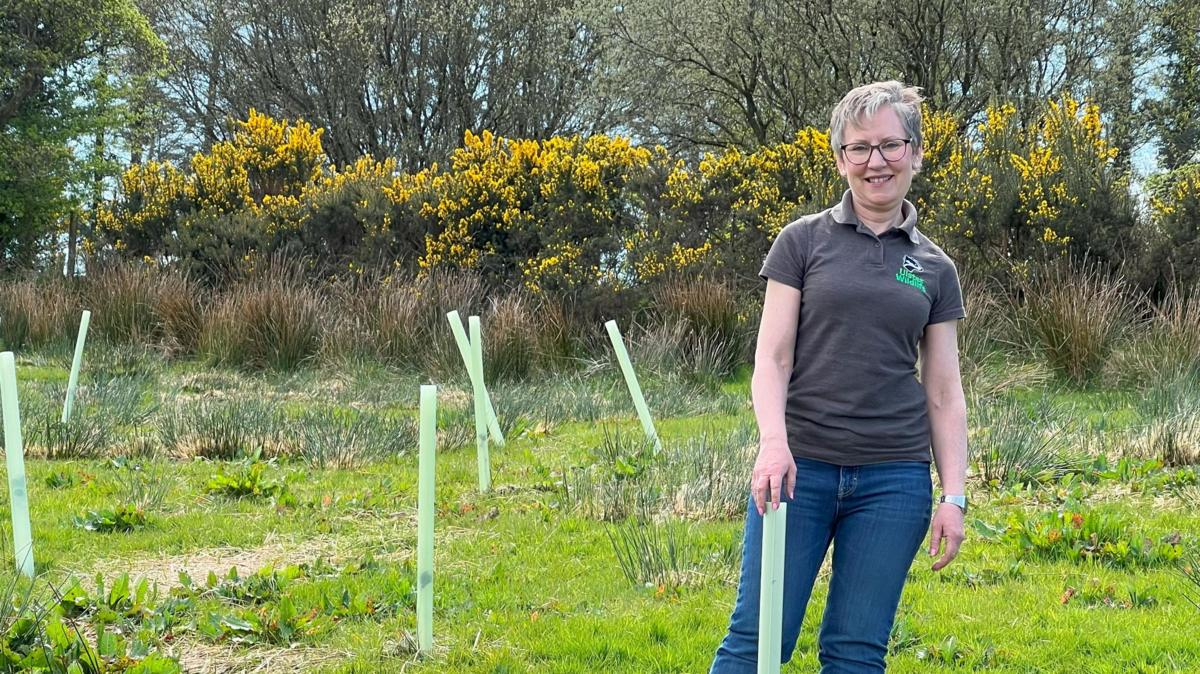
- Initial conservation efforts since the park's designation involved felling non-native Norway spruce and planting broadleaf trees in their place, with dead wood now left to rot as habitat.
- The park's highest viewpoint, Kopparhatten, sits at 212 meters, where a painting from 1840 shows the same vista almost bare of trees — a visual record of the landscape's recovery.
- Villa Söderåsen, a timber-framed yellow and white guesthouse built in 1904 at the park's entrance, was originally constructed for tourists arriving via the new railway seeking connection to nature.
- Söderåsens Skafferi, the author's second night's lodging, was once the first nature school in Sweden, according to owner Elisabeth who grew up exploring the park on horseback.
Why it matters: The 1840 painting of Kopparhatten showing a nearly treeless summit, paired with sedimentary evidence of 18th- and 19th-century deforestation, makes Söderåsen a documented case study in landscape recovery — the park demonstrates that centuries of degradation can be reversed when conservation policy (spruce removal, broadleaf replanting) is given decades to work.
Ask SkimNews