Solrite launches 60 kWh solar-battery deal in Illinois — SkimNews
SkimNews Take
With full-retail net metering gone, oversized storage becomes the substitute mechanism for capturing the value homeowners previously earned by exporting solar — making battery sizing, not panel count, the central economic lever in the post-2025 Illinois rooftop market.
Get the Energy newsletter
Daily energy & climate — solar, EVs, oil, the policy fights and tech bets shaping the transition. Free.
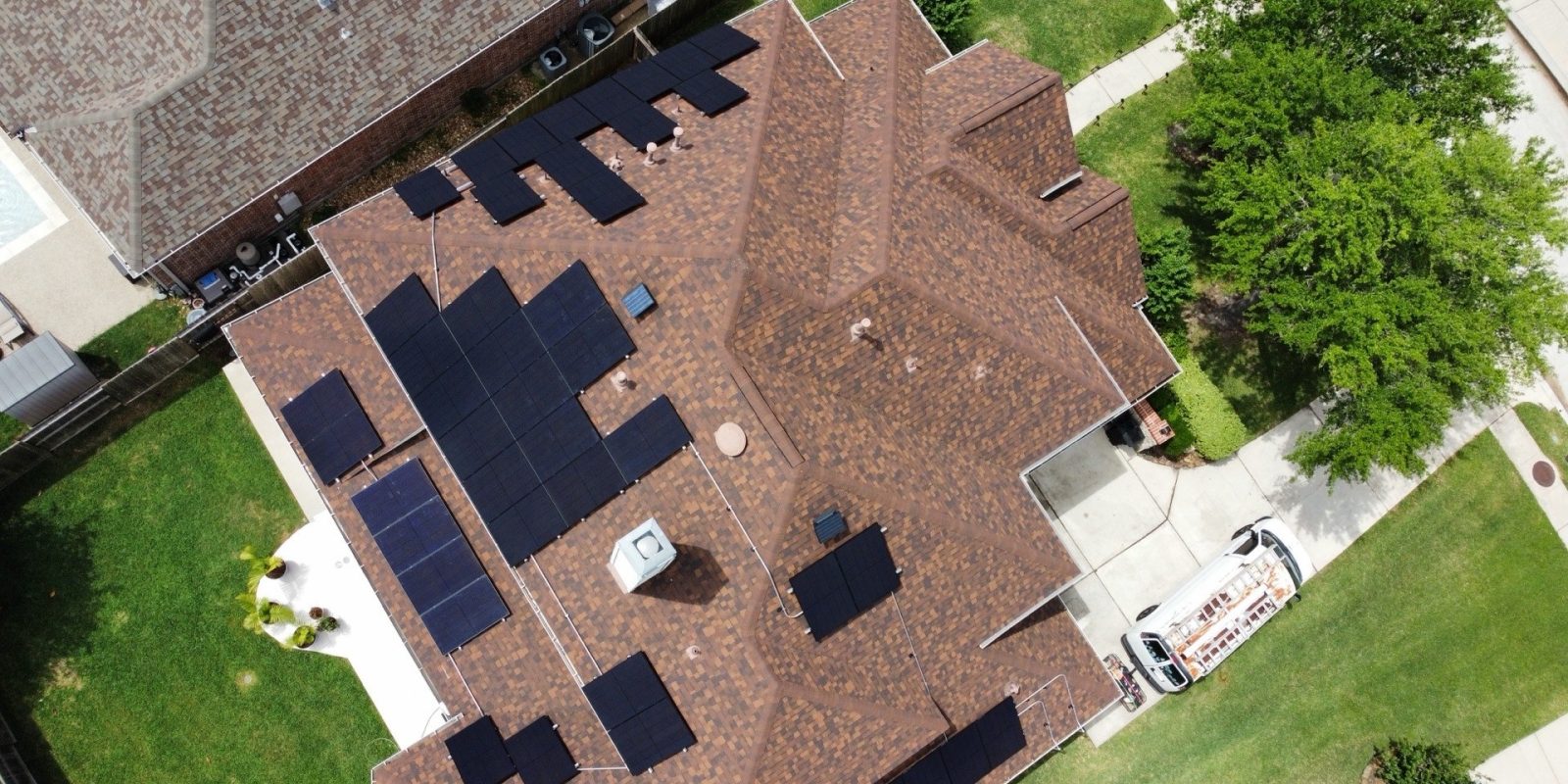
- Solrite Energy launched a no-money-down solar-plus-storage program for Illinois homeowners in ComEd and Ameren territories, financing and owning systems while customers pay 12¢/kWh under a 25-year agreement that can rise up to 2.9% annually.
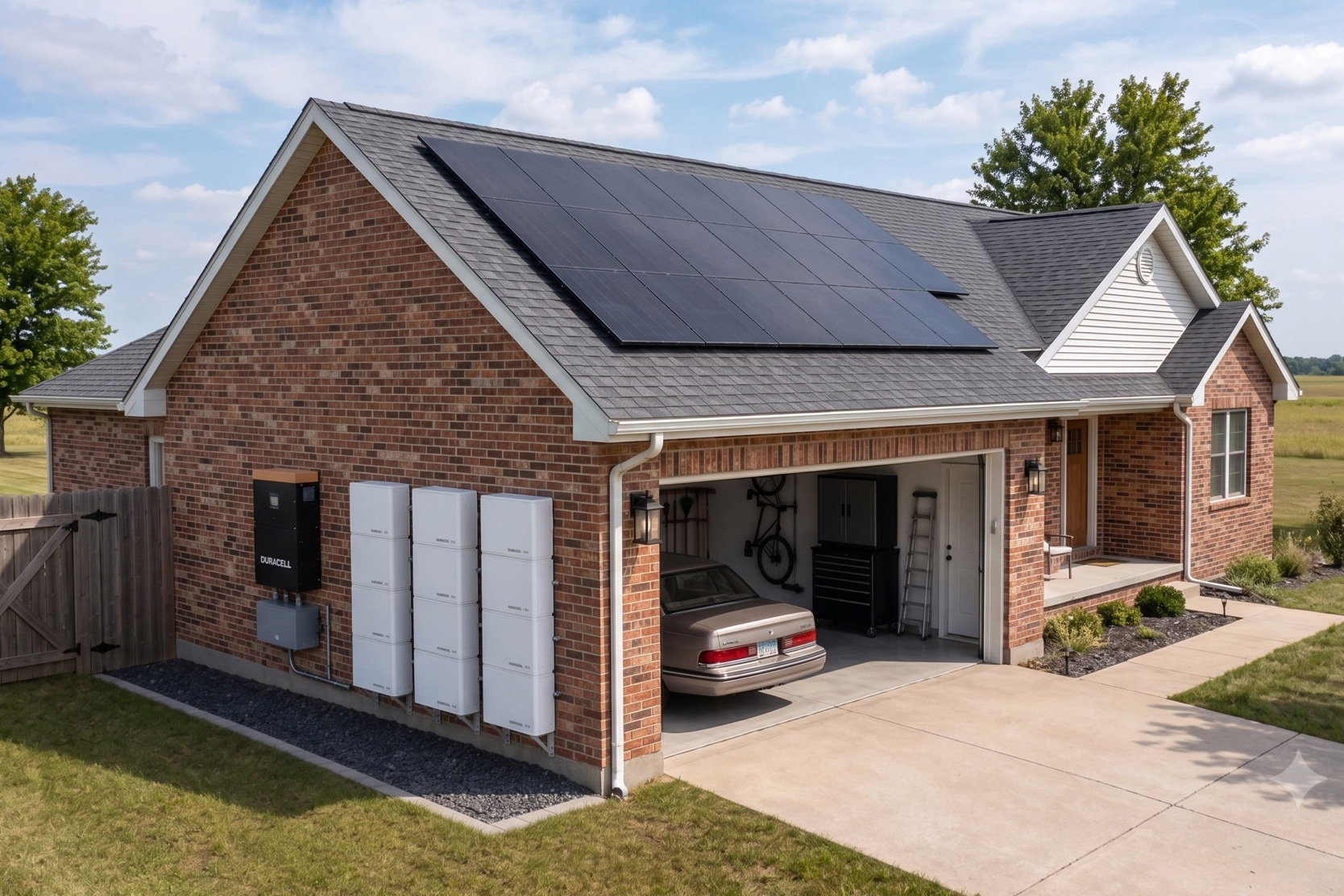
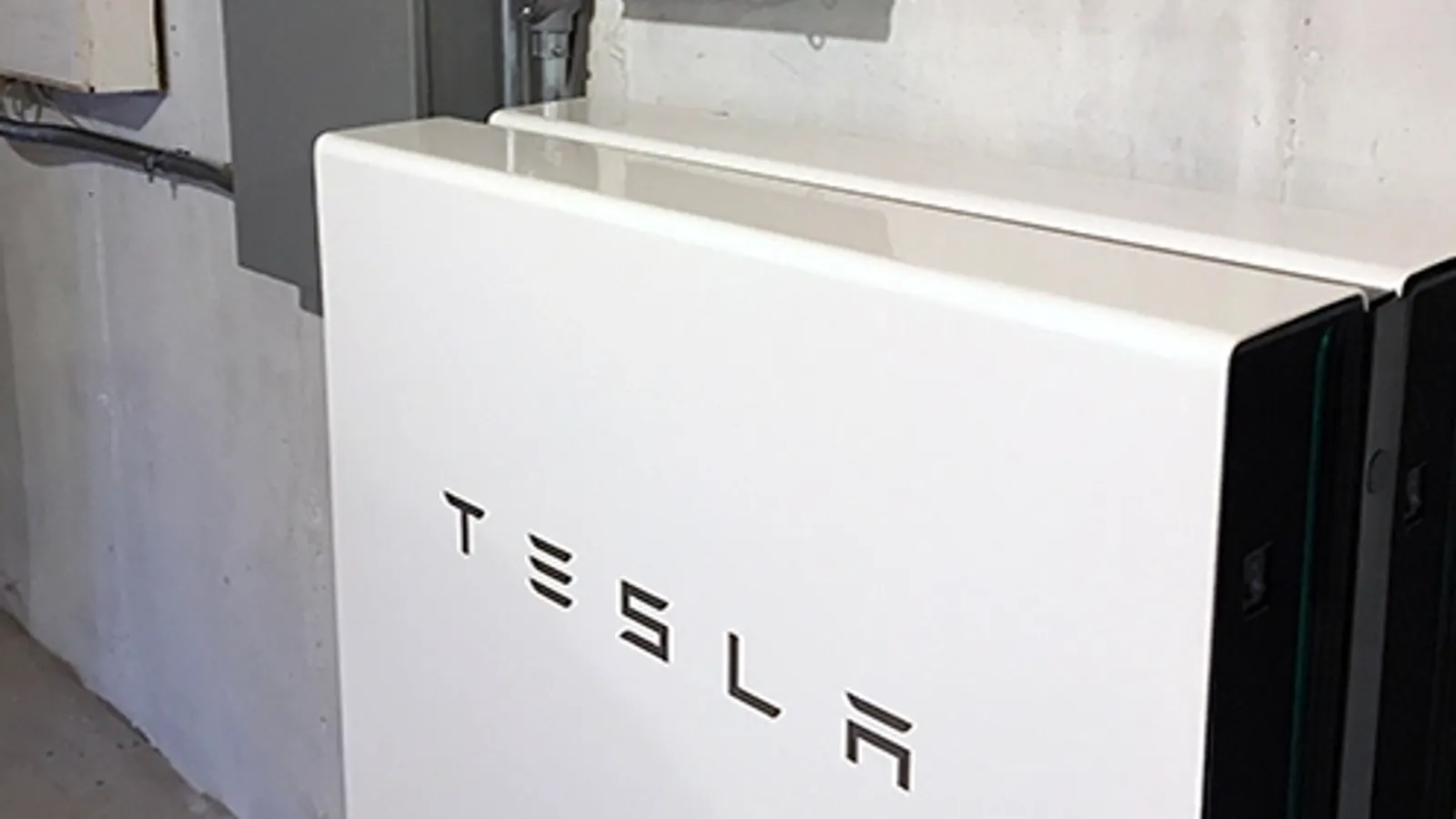
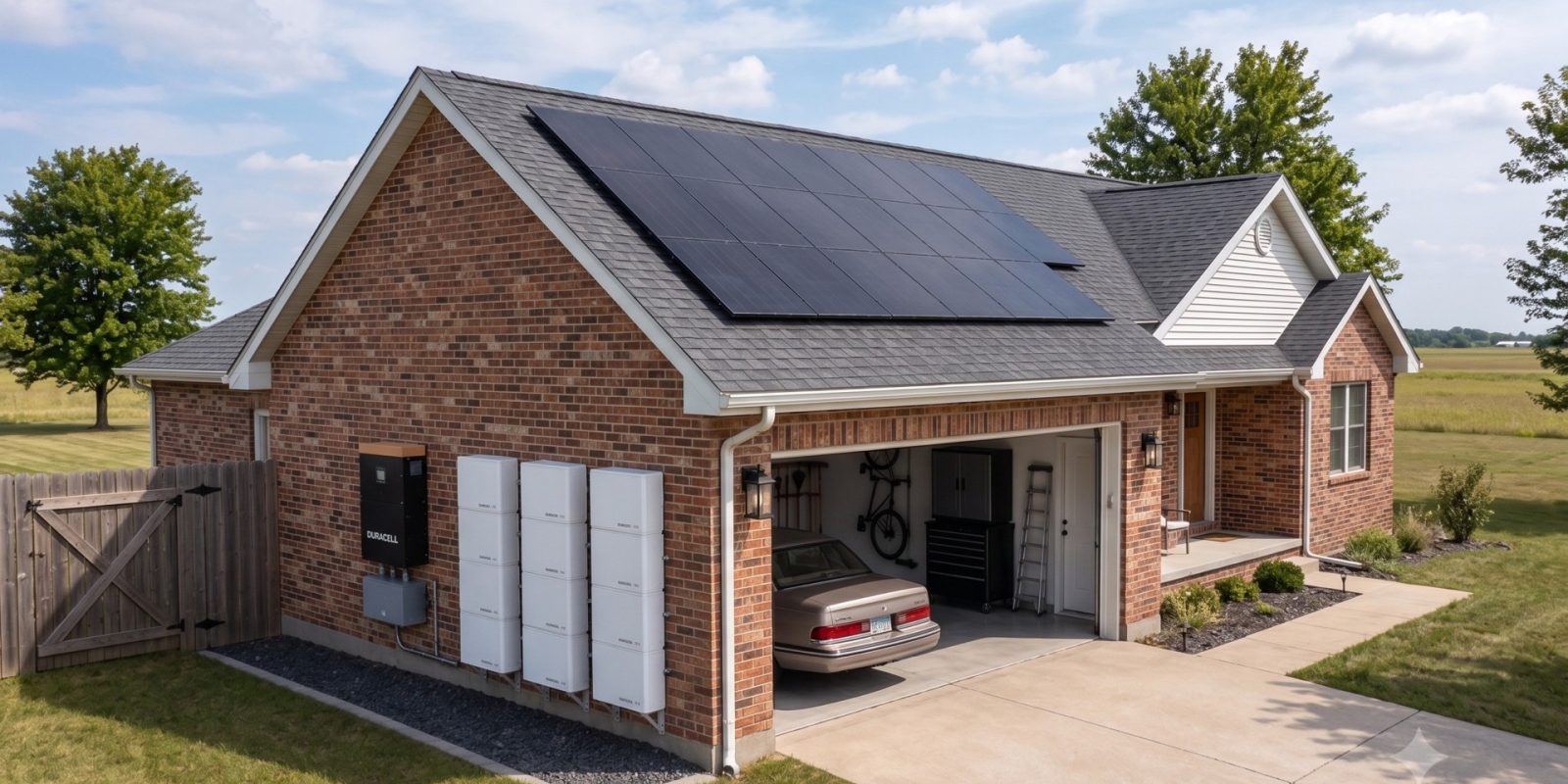
- The Duracell Power Center packs a 60 kWh capacity—more than four times the Tesla Powerwall 3's 13.5 kWh—across 12 stackable 5 kWh LFP modules with 15 kW of continuous output.
- Illinois switched new rooftop solar customers from full-retail net metering to supply-only credits on January 1, 2025, making exported electricity less valuable and pushing homeowners toward larger on-site storage.
- Solrite aggregates the home batteries into a virtual power plant that can begin charging or discharging in as little as 30 seconds to respond to grid conditions, acting like a distributed power plant during peak periods.
- Because Solrite owns the equipment, it keeps federal clean energy tax credits and Illinois Shines renewable energy credits, and it earns revenue from grid services to fund the no-money-down model.
- Illinois is Solrite's fifth market after Texas, California, Connecticut, and Massachusetts, and existing rooftop solar customers can also add a 60 kWh battery under the same no-upfront terms subject to a compatibility review.
- Homeowners will continue to receive a utility bill for grid electricity and other applicable charges alongside their Solrite solar payments.
Why it matters: Homeowners pay 12¢/kWh under a 25-year deal that can escalate 2.9% annually while still owing a separate utility bill, so the no-money-down pitch masks compounding long-term costs. Solrite captures the federal tax credits, Illinois Shines RECs, and grid-services revenue, meaning the homeowner carries the rate risk while the financier harvests the incentives and VPP income.
Ask SkimNews