Book: UK's Energy System Is a 'Zombie' Hybrid — SkimNews
Get the Energy newsletter
Daily energy & climate — solar, EVs, oil, the policy fights and tech bets shaping the transition. Free.
- Arthur Downing's book 'Power and the People: A History of British Energy' (published by Verso on 1 September) argues Britain's 'fragile, fragmented, comically complicated' energy system stems from ownership choices, not technology failures — a contrast Downing highlights as he works as director of strategy at Octopus Energy, the UK's largest energy supplier.
- The 1940s–1980s nationalised gas industry installed natural gas appliances in homes across Britain 'at no direct cost' and was 'one of the most dynamic, innovative, efficient industries in Britain,' per Downing.
- In 1926, Conservative PM Stanley Baldwin set up the Central Electricity Board, a state-owned corporation that built Britain's first National Grid 'on time and at cost'; between 1926 and 1979, state-owned enterprises built infrastructure from hydroelectric plants to power stations 'faster and cheaper' than private companies do today.
- Downing calls today's system a 'zombie' — privately owned but dependent on state subsidies, making it 'expensive and inefficient' while consumers face soaring energy bills in a cost-of-living crisis; the UK has cut emissions 50% versus 1990 levels, but 'all the low-hanging fruits have been picked.'
- In February, Engie — in which the French government is the largest shareholder — bought UK Power Networks; Downing notes that very day French 10-year bond borrowing rates fell and Engie's stock rose, while 'the bond markets didn't blink and the government didn't collapse.'
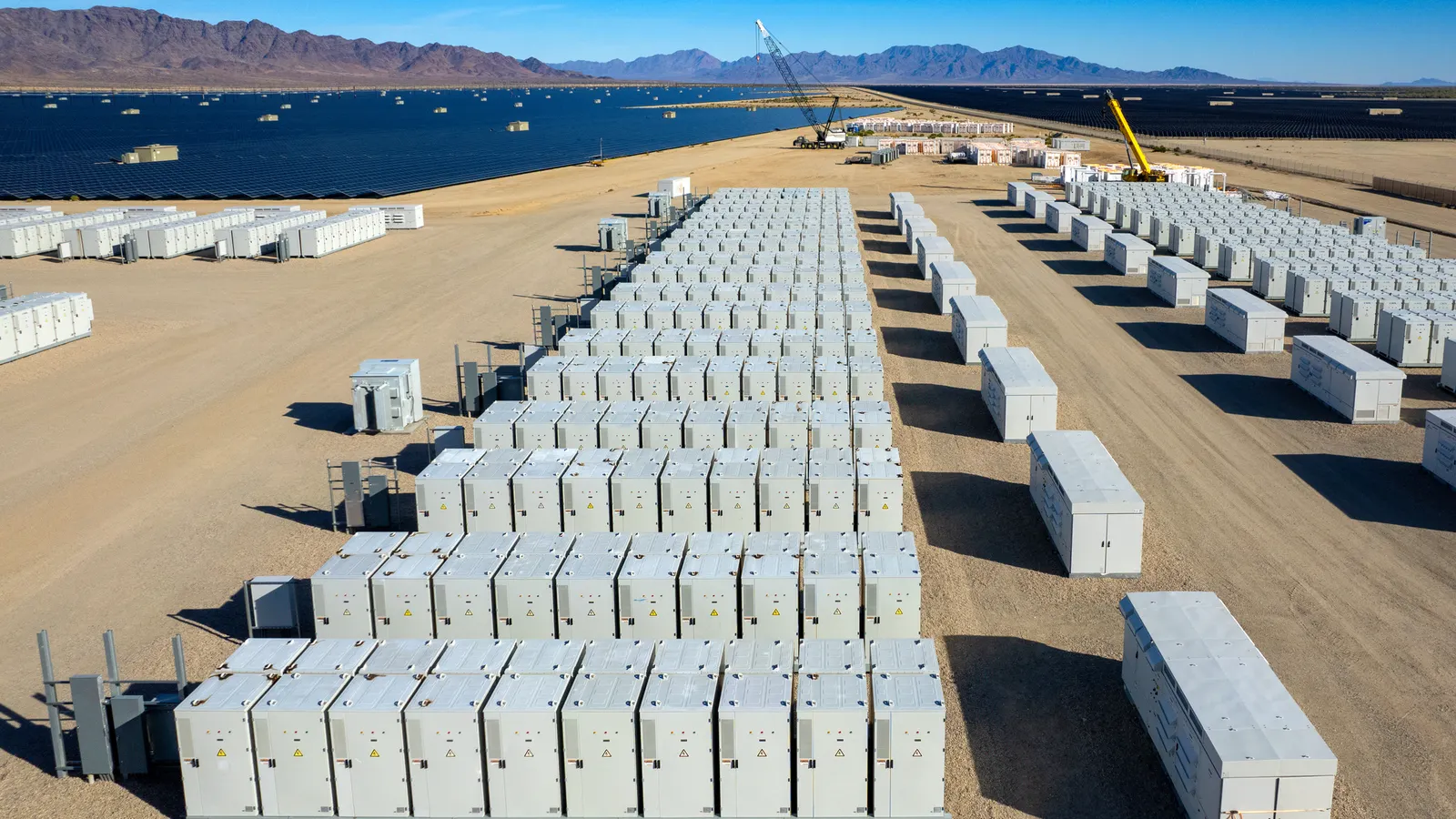
- Downing proposes a mutualised model — not a return to 1940s nationalisation — in which public corporations own networks, councils and community schemes take stakes in local infrastructure, and households own solar, batteries and EVs and are 'paid properly' for the flexibility they provide.
- Downing cites the Nordic countries and China as running markets 'at huge scale within a publicly owned system,' contrasting with the US's mostly-private system and 'some of the least competitive markets in the world.'
- His closing line: 'We have a strange situation where we are OK with public ownership, just not by our own state.'
Why it matters: French-majority-owned Engie's February purchase of UK Power Networks crystallises Downing's case: France is now a major stakeholder in Britain's southern and eastern grid while domestic public ownership stays politically taboo. With UK emissions already halved since 1990 and energy bills soaring in a cost-of-living crisis, the next phase of decarbonisation turns on who owns the infrastructure consumers rely on.
Ask SkimNews