Nethy Bridge residents return home as Cairngorms wildfire eases — SkimNews

Get the Energy newsletter
Daily energy & climate — solar, EVs, oil, the policy fights and tech bets shaping the transition. Free.
- Police Scotland lifted its major incident declaration late Saturday and told Nethy Bridge residents they could return home, after evacuations the previous day sent them to a respite centre at the Macdonald Aviemore hotel.
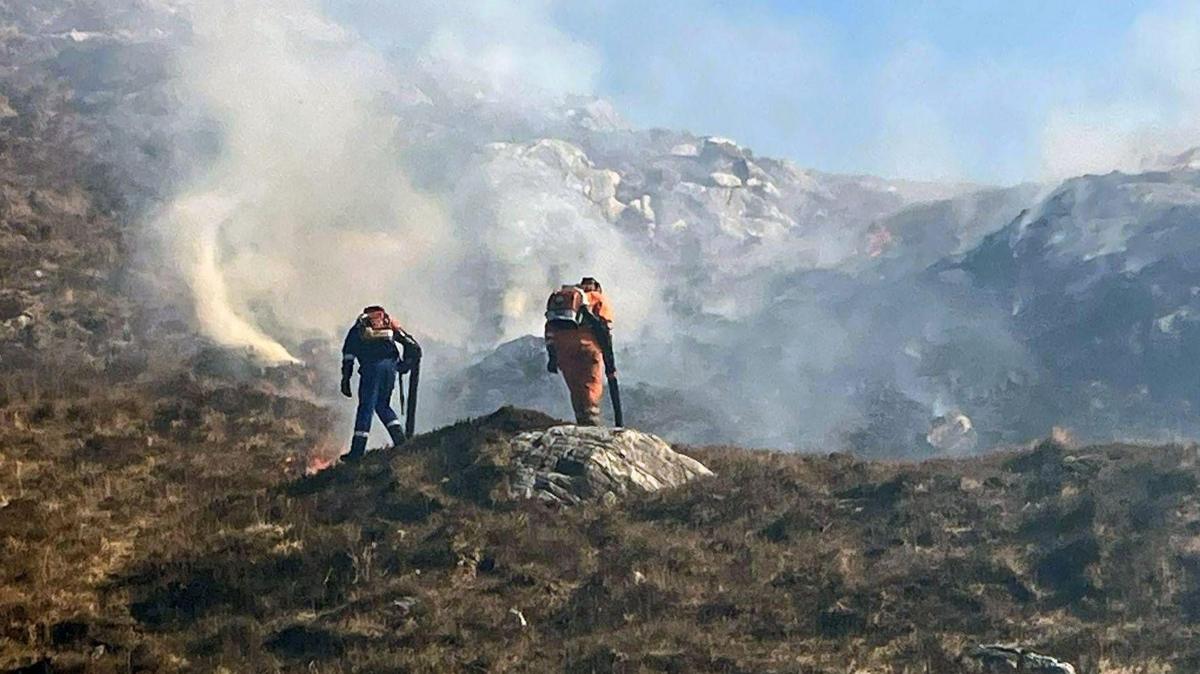
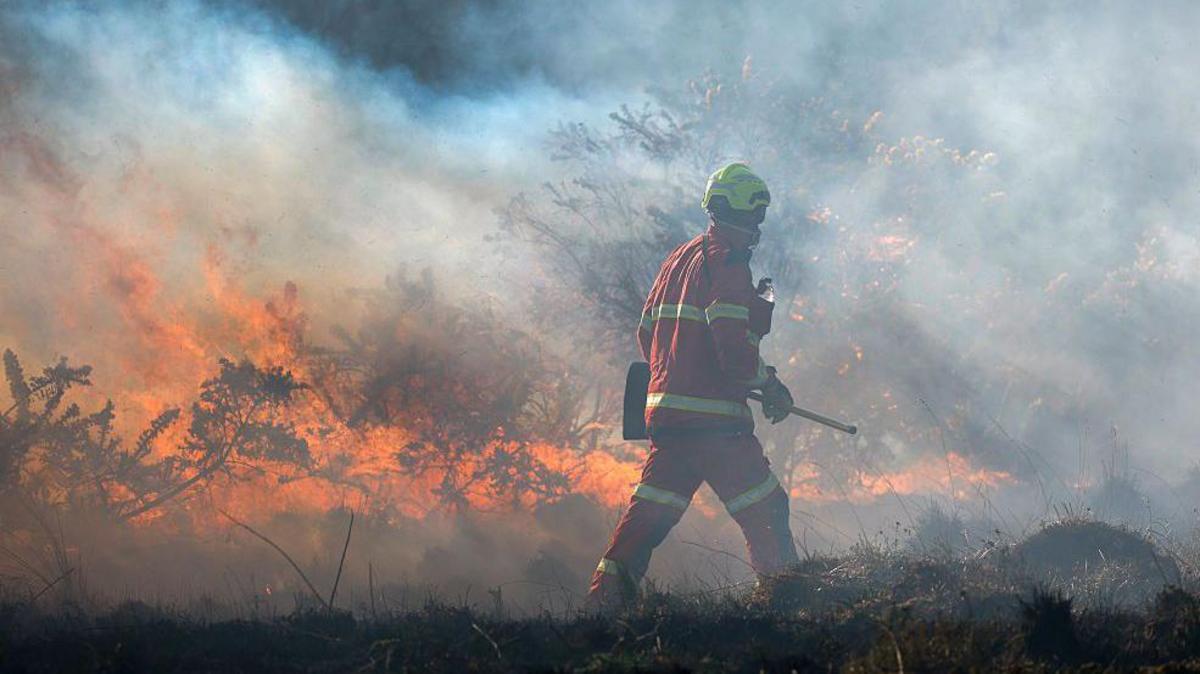
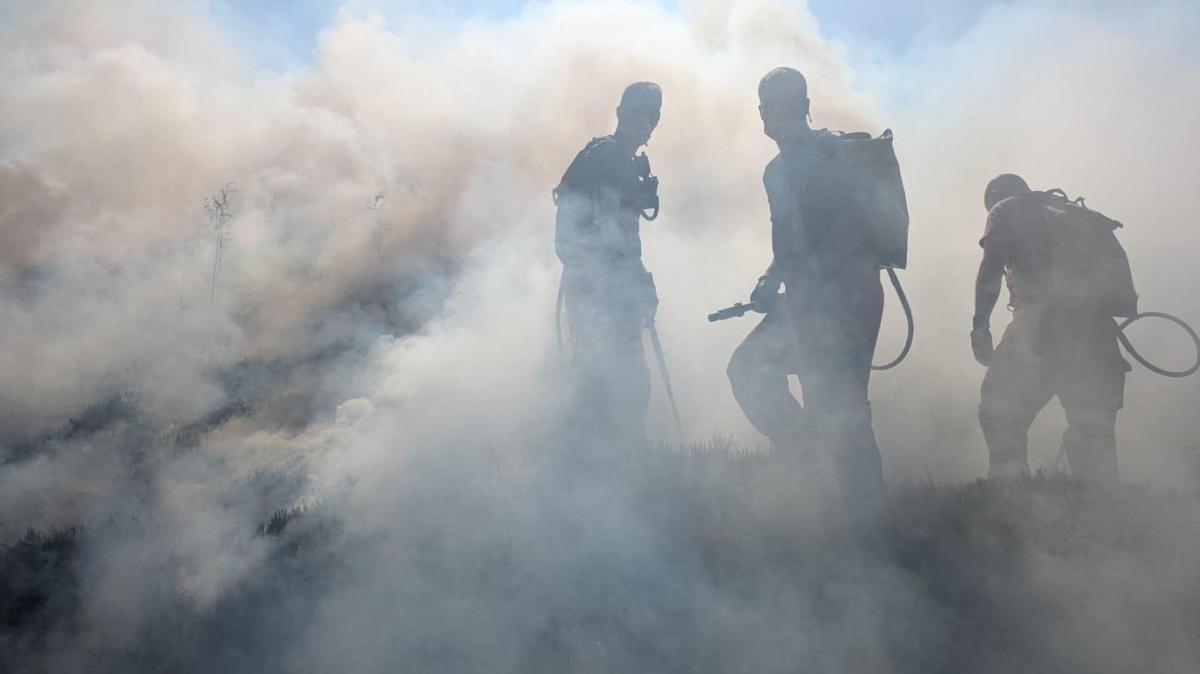
- John Swinney requested military aid from the UK government earlier in the day as more than 500 firefighters, helicopter water-bombing operations, all-terrain vehicles, and specialist wildfire appliances tackled the blaze.
- The Cairngorms wildfire broke out near Glenmore on 15 July, covered about 6 sq km (2.3 sq miles) of heather and small trees at its peak, and sent smoke drifting roughly 60 miles to Aberdeen.
- Claire Montague, a 65-year-old retired GP evacuated on Friday, said she could see flames when the wind shifted and called the experience "absolutely terrifying," adding that the fire was not yet contained.
- Firefighters created a firebreak by bulldozing land in the original area of the Caledonian forest, which Montague called "desperately sad" given long-running efforts to preserve and expand that ecosystem.
- SFRA warned residents of Tomintoul, about 10 miles east of Nethy Bridge, to keep windows and doors closed because of wildfire smoke.
Why it matters: The 10-day blaze, which scorched roughly 6 sq km of heather and small trees, required over 500 firefighters, a UK military aid request, and a major incident declaration — an extraordinary mobilization for a Scottish wildfire. The bulldozed firebreak through the original area of the Caledonian forest, a habitat conservationists have spent decades trying to expand, underscores the painful trade-offs of containment in remote, ecologically sensitive terrain.
Ask SkimNews