Siberia Lab Worker Dies of Plague, 200 Quarantined — SkimNews

Get the Health newsletter
Daily health & science — research, biotech, public health, the studies worth knowing. Free.
- A 28-year-old lab worker died of pneumonic plague in the Irkutsk region of Siberia last week, reportedly after a broken test tube caused a lab accident, according to independent Russian media.
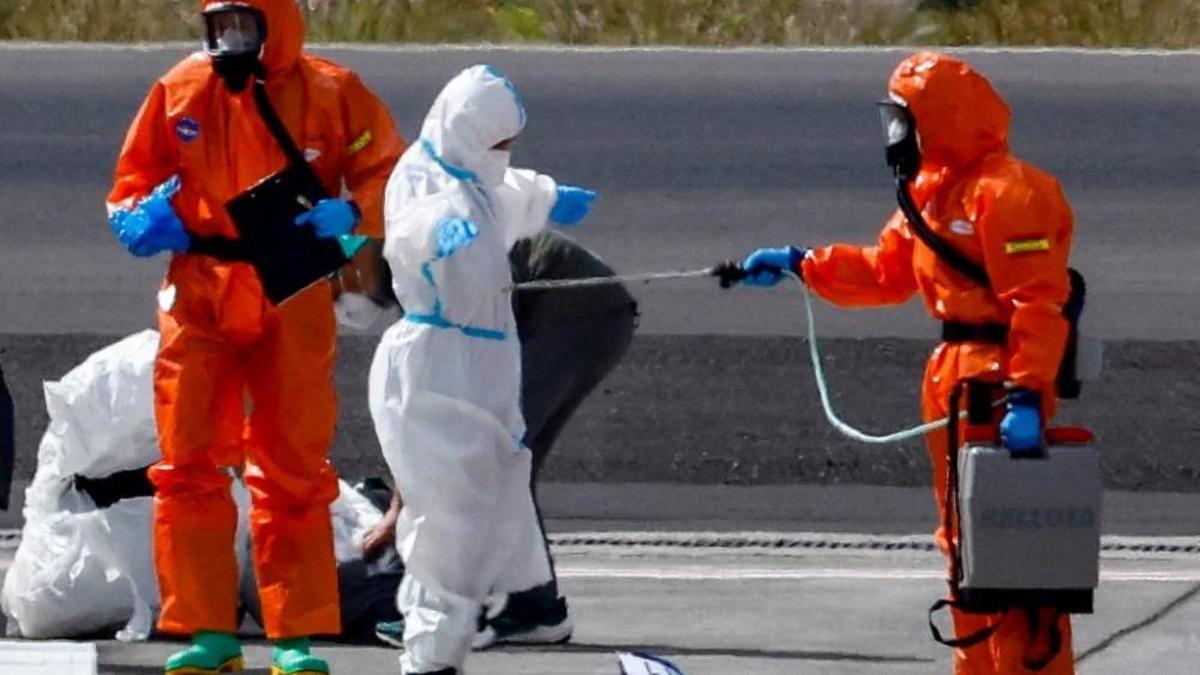
- Nearly 200 people who may have come into contact with the woman have been placed under observation, and several hospitals in the area have been quarantined.
- Pneumonic plague — the deadliest form of Y. pestis infection, spread via the air when patients cough — is nearly always fatal without prompt treatment but is controllable with antibiotics and basic precautions, according to University of Birmingham researcher Zania Stamataki and University of Reading's Simon Clarke.
- Y. pestis circulates in non-human animals worldwide and infects more than 1,000 people every year, with human plague cases occurring annually, including outbreaks of the pneumonic form.
- The Soviet bioweapons programme previously modified Y. pestis for antibiotic resistance, but the first naturally resistant strains were detected in Madagascar in the 1990s, and there is no evidence the woman's infection came from a weaponised strain.
- Past lab accidents underscore the risk: a 1979 anthrax release at a military facility in Sverdlovsk killed at least 68 people, and Stamataki said a full account of the Irkutsk incident is warranted beyond Russia.
Why it matters: Nearly 200 people are under observation in Siberia after a single lab breach, highlighting how a broken test tube in a high-containment facility can trigger a mass quarantine — and reviving scrutiny of Russia's history of Soviet-era bioweapons work, even as experts stress the wider public-health risk remains low given antibiotics and standard infection control.
Ask SkimNews