Oldest known plague outbreak killed hunter-gatherer children — SkimNews

Get the Health newsletter
Daily health & science — research, biotech, public health, the studies worth knowing. Free.
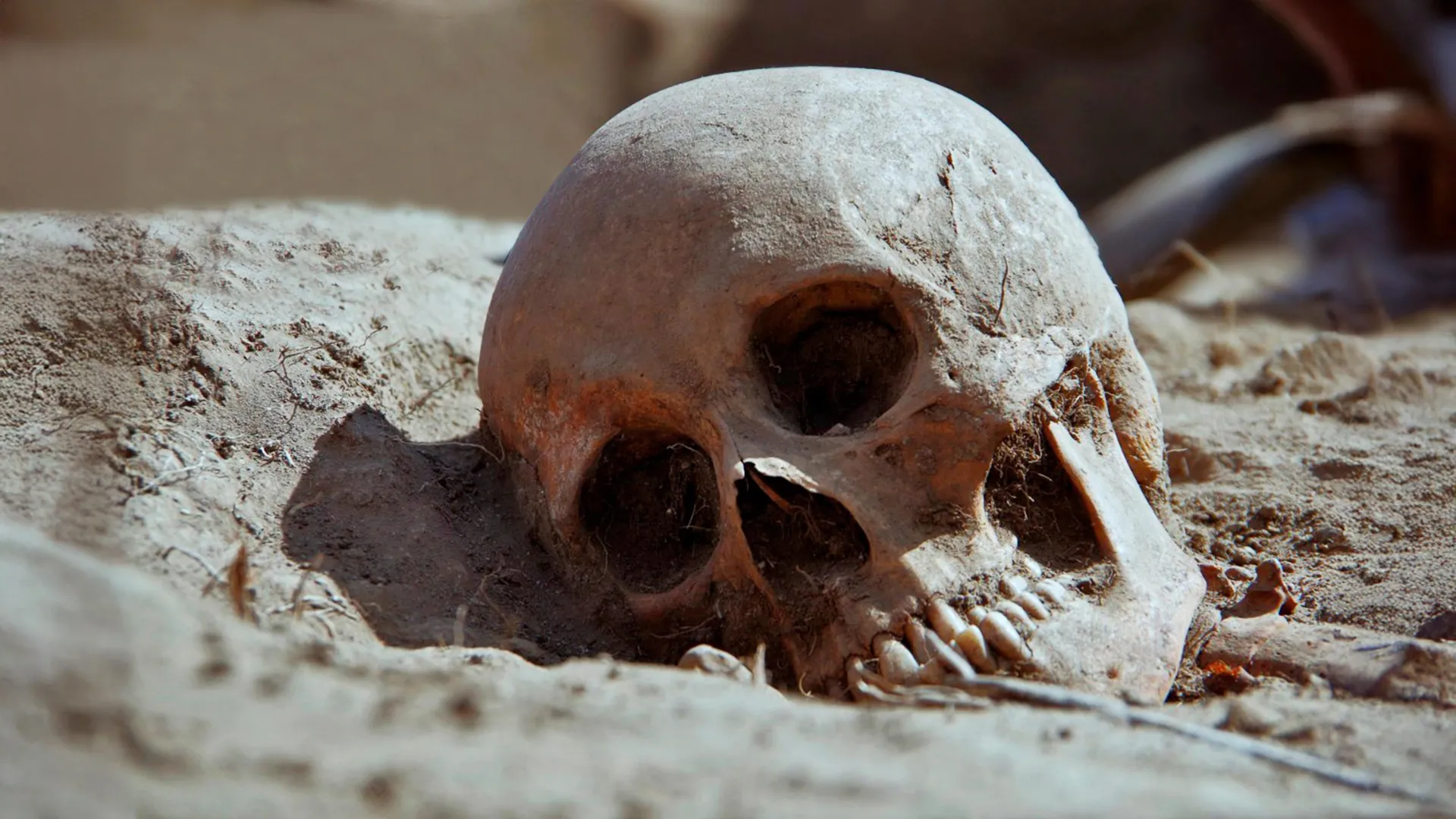
- Ruairidh Macleod at the University of Oxford and colleagues identified Y. pestis in 18 of 42 hunter-gatherer remains across four Lake Baikal sites, with the earliest outbreak dating to roughly 5,500 years ago.
- The finding challenges the long-standing view that major disease outbreaks only arose with the Neolithic farming revolution, with Macleod calling it "clear evidence for a really devastating outbreak of plague that's affecting an entire community of hunter-gatherers."
- Many of the likely victims were children and teenagers, with shared graves holding up to four or five people who died around the same time—evidence of two distinct outbreaks; siblings were buried together.
- Early Y. pestis lacked the ymt gene that enables flea-borne transmission, so the disease likely spread as pneumonic plague through coughing after initial contact, with the team tracing the source to marmots (the main plague reservoir) that the hunter-gatherers hunted for food.
- Nicolás Rascovan at the Pasteur Institute confirmed this is the oldest, easternmost, and first hunter-gatherer plague outbreak on record, and said the finding "argues against agricultural lifestyles as the major driver of plague emergence."
- Genomic analysis places the origin of Y. pestis between 9,800 and 5,700 years ago—raising the possibility of even older, as-yet-undetected plague outbreaks among prehistoric people.
Why it matters: The discovery re-dates the oldest known plague outbreak by millennia and removes agriculture from the list of prerequisites for catastrophic epidemics—hunter-gatherers, not just farmers, suffered community-wide die-offs, likely from marmot contact. That rewrites how archaeologists model disease risk across prehistory and opens the door to finding even older outbreaks.
Ask SkimNews