Ancient DNA Maps 400 Years of Plague After Black Death — SkimNews

Get the Health newsletter
Daily health & science — research, biotech, public health, the studies worth knowing. Free.
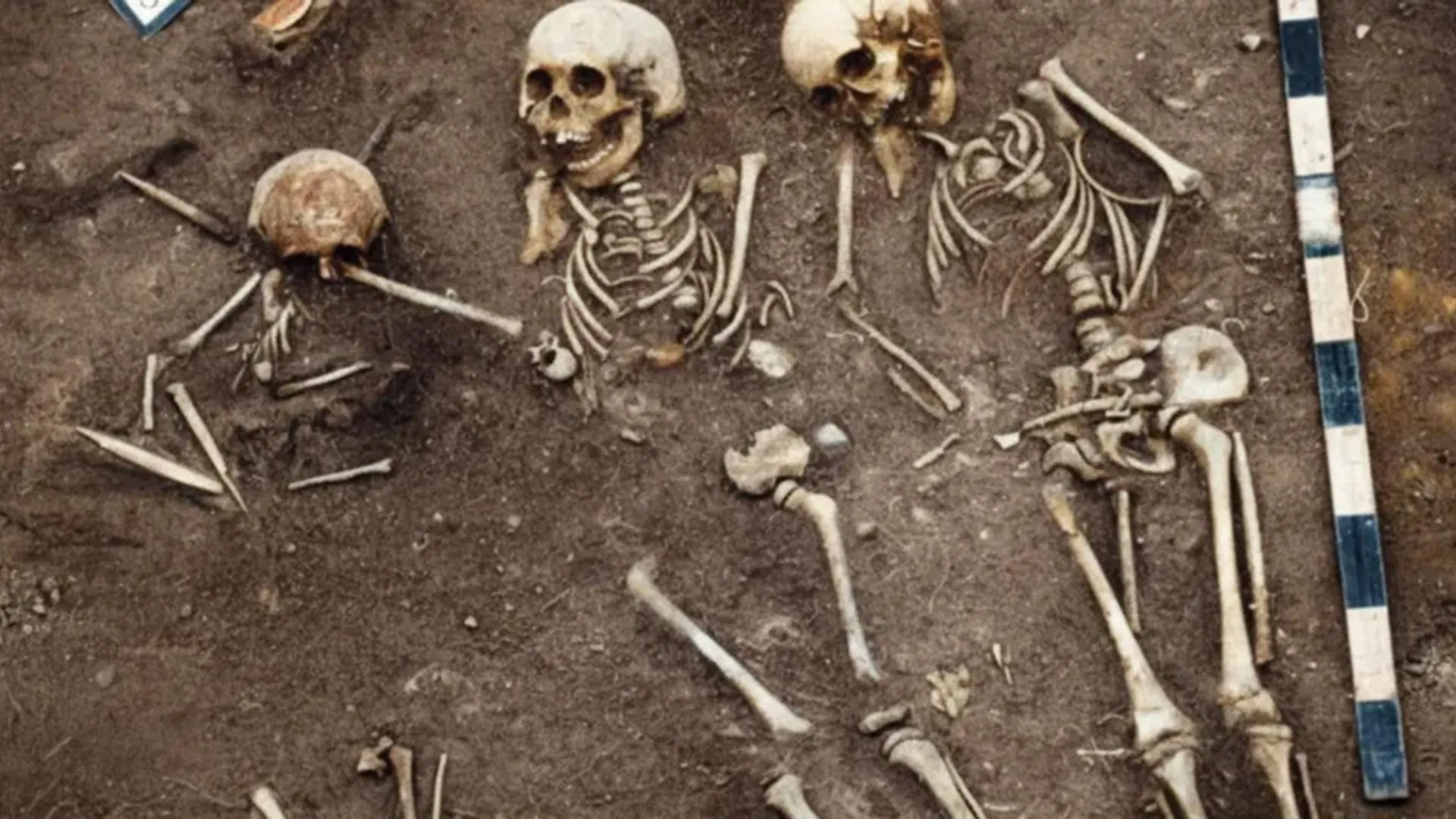
- University of Tartu researchers reconstructed 26 Yersinia pestis genomes from human remains at 11 archaeological sites in Estonia, Russia, England, the Netherlands, and Switzerland, covering the 14th through 18th centuries.
- The plague bacterium repeatedly resurfaced across Europe for more than 400 years after the Black Death, with genetic evidence suggesting new introductions in different regions rather than spread from a single persistent source.
- Around 1450-1500, plague lineages underwent a major expansion and split into three branches that may have established new wild rodent reservoirs, with researchers pointing to the Great Renaissance Drought as a possible climate driver.
- The team developed a new method to refine dating of ancient plague genomes by analyzing their position on the bacterium's evolutionary tree, then applied it to 64 previously published and 11 newly sequenced genomes — the first systematic effort to link nearly all available 14th-18th century plague DNA with historically recorded outbreaks.
- Newly analyzed genomes linked plague outbreaks to the Thirty Years' War (1618-1648) and the Great Northern War (c. 1700-1721), with the disease splitting into new branches during periods of conflict and traveling along troop and refugee routes.
- During the 1710 siege of Tallinn, plague killed Swedish and Russian soldiers as well as civilians, adding concrete genetic detail to Great Northern War outbreak connections.
- Estonia was repeatedly affected, with evidence of multiple plague introductions starting in the late 14th century in both urban and rural settings, according to senior author Prof. Kristiina Tambets.
Why it matters: This is the most comprehensive genetic reconstruction of the Second Plague Pandemic to date, and the new tree-based dating method finally lets researchers match ancient pathogen DNA to specific outbreaks that chroniclers recorded in towns across Europe. Because Yersinia pestis still circulates in wild rodent reservoirs in several regions today, the study's framework for tracking how a disease establishes itself, persists for centuries, and eventually retreats offers a directly applicable model for modern disease surveillance.
Ask SkimNews