Plague Killed Families 5,500 Years Before Black Death — SkimNews
Get the Health newsletter
Daily health & science — research, biotech, public health, the studies worth knowing. Free.
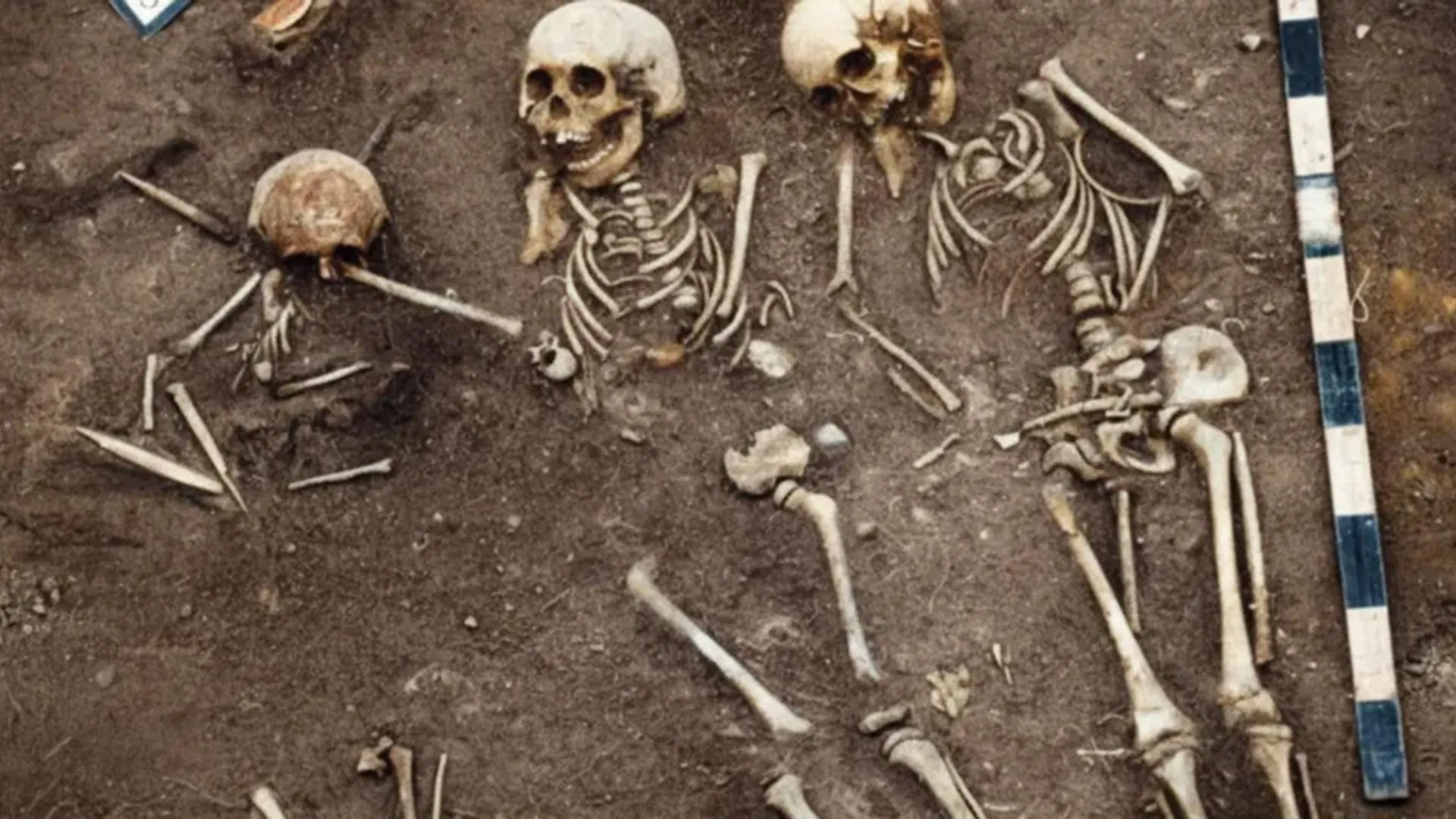
- University of Copenhagen researchers identified Yersinia pestis DNA in 18 of 46 individuals (~40%) at four hunter-gatherer burial sites in the Lake Baikal region of East Siberia, dating to 5,500 years ago — long before farming, cities, or flea-borne transmission.
- Radiocarbon dating shows many deaths occurred close together in time, with siblings and parents/children buried together — evidence that plague was wiping out entire family units in small, mobile groups.
- Archaeologist Andrzej Weber of the University of Alberta said the unusually high proportion of children and short burial timespan at two cemeteries had puzzled researchers since the 1990s; plague DNA now resolves that decades-old question.
- Senior author Eske Willerslev (University of Copenhagen and Cambridge) stated the ancient strains were "already highly lethal," overturning the prior assumption that early Y. pestis could not trigger severe outbreaks.
- The ancient strains carried a distinctive superantigen toxin not seen in historic plague strains; senior author Martin Sikora said this combination of virulence factors could make infection highly lethal even before flea-borne transmission evolved.
- Hunter-gatherers near Lake Baikal had close contact with marmots — large burrowing rodents that still carry plague today — supporting the theory that the disease first spilled into humans from wild rodent populations in Central or North-East Asia.
- The ~40% detection rate at these prehistoric sites was higher than that reported at some medieval plague burial sites, per the Nature study.
Why it matters: This rewrites the timeline of plague lethality: ancient Y. pestis was already highly deadly in small, mobile groups — no cities or flea-borne transmission required. The 40% infection rate, higher than some medieval sites, and the superantigen unique to prehistoric strains suggest plague carried its killing power from early on, not as a later evolutionary add-on tied to urban density.
Ask SkimNews