DNA finds 5,000‑year population collapse in Paris — SkimNews

Get the Health newsletter
Daily health & science — research, biotech, public health, the studies worth knowing. Free.
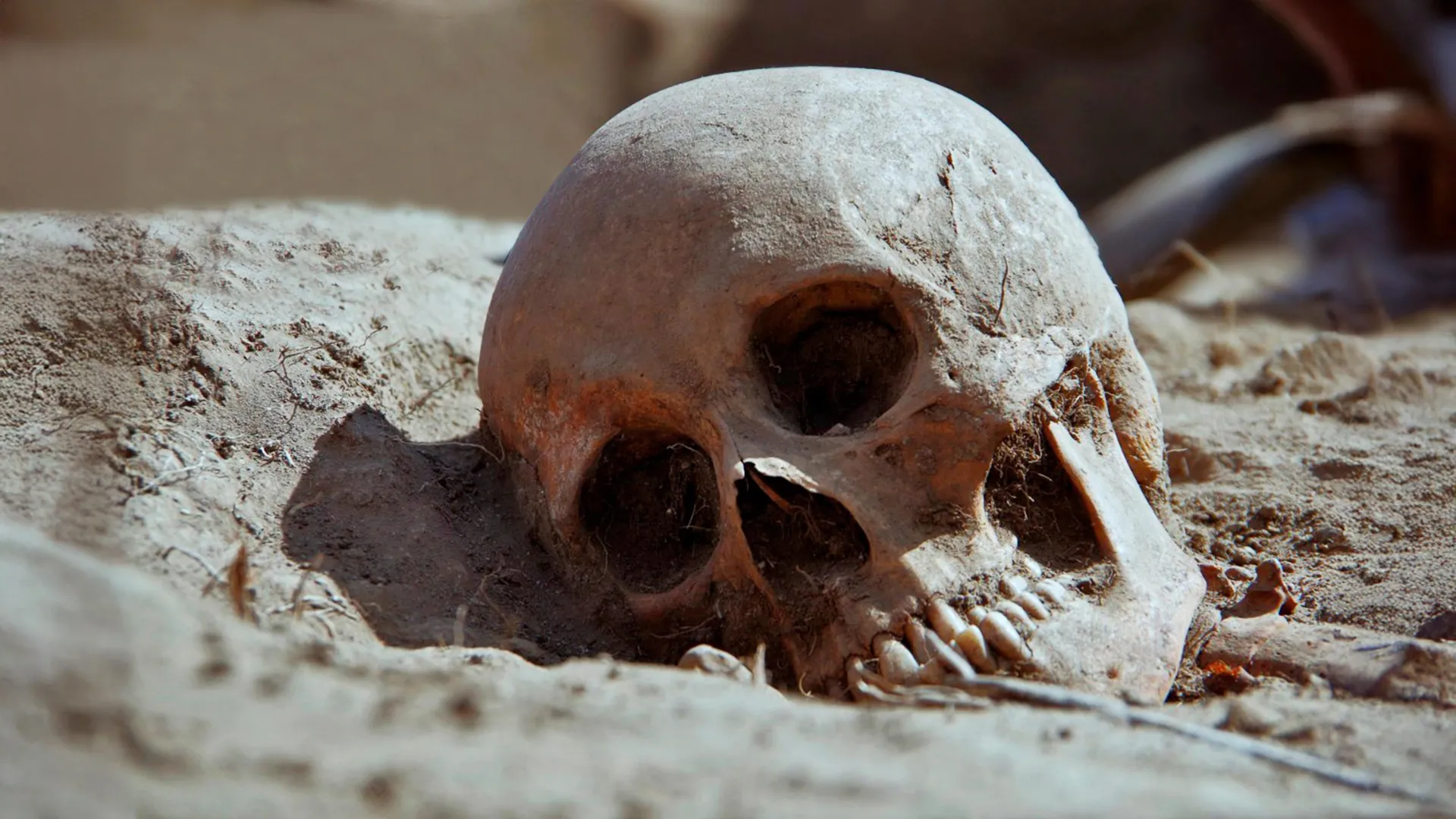
- Bury burial site shows two distinct burial phases separated by a clear genetic break, indicating a population collapse around 5,000 years ago.
- Lundbeck Foundation GeoGenetics Centre and the University of Copenhagen analyzed DNA from 132 individuals and found the later group linked genetically to Southern France and Iberia, suggesting northward migration after the collapse.
- Pathogen DNA from Yersinia pestis and Borrelia recurrentis was identified in the remains, with plague more common in the earlier population, implying disease contributed to high mortality.
- Early community in the first phase was dominated by large, multi‑generational kin groups, whereas the later phase shows fewer close relatives, mostly connected through a single paternal line, reflecting a shift in social structure.
- Environmental data (forest regrowth and pollen) from the period indicate farmland abandonment and reduced human activity, supporting the view that the Neolithic decline created space for new groups to expand.
Why it matters: Archaeologists and geneticists gain concrete evidence that the Neolithic decline was driven by a sudden population collapse and subsequent migration, reshaping the demographic map of prehistoric Europe and challenging models that attribute the decline solely to climate or cultural factors.
Ask SkimNews