Maine Quarry Permits Triple as Climate-Fueled Demand Surges — SkimNews
Get the Energy newsletter
Daily energy & climate — solar, EVs, oil, the policy fights and tech bets shaping the transition. Free.
- Maine DEP data shows quarry permit registrations nearly tripled from an average of ~3 per year during 2015–2021 to roughly 10 per year between 2022–2025, with several existing pits also seeking expansion
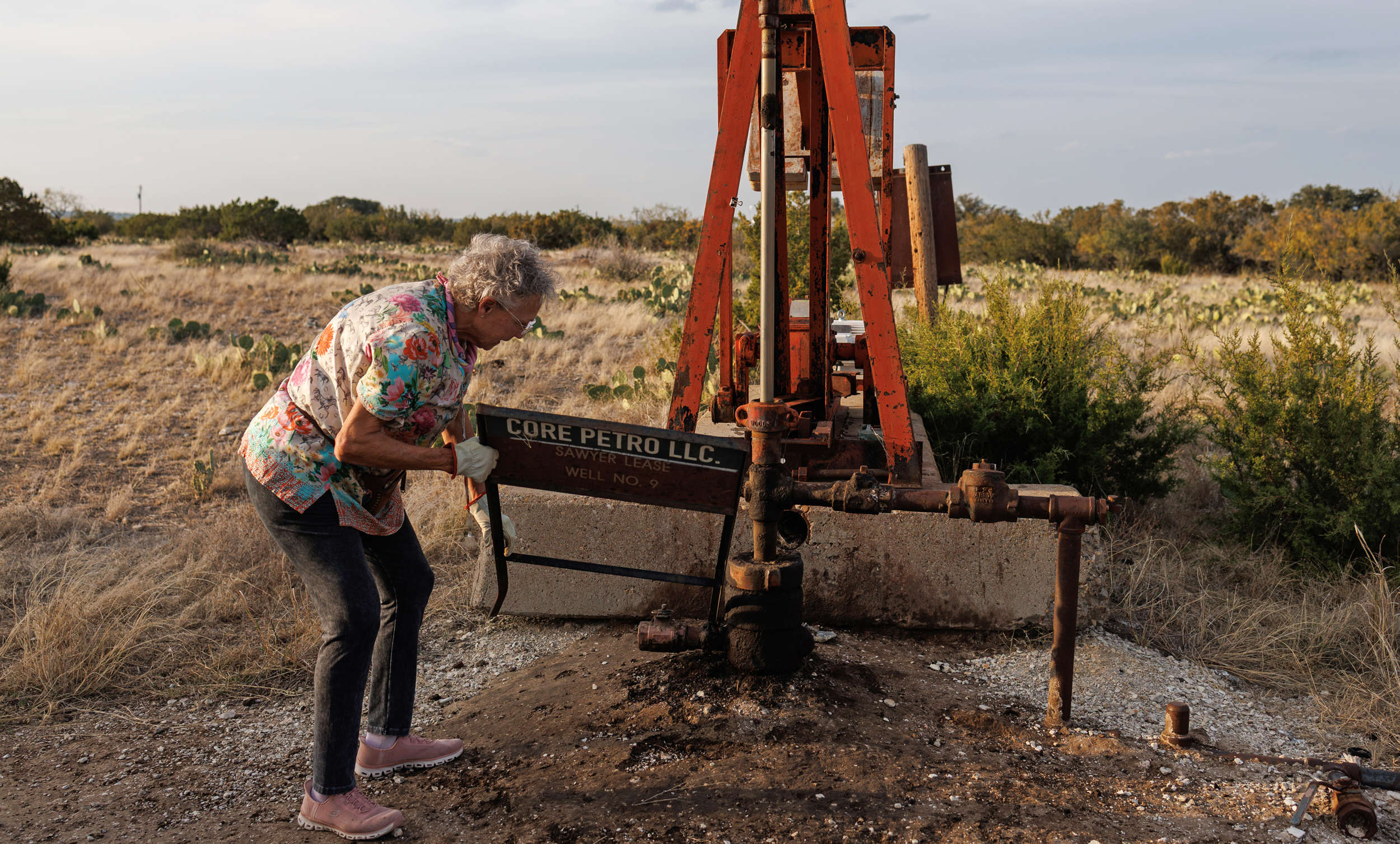
- Shoreline stabilization permits in Maine nearly tripled from 118 in 2022 to 313 in 2024, driven by FEMA-reimbursable emergency repairs after destructive winter storms and an emergency permitting window for stone seawalls
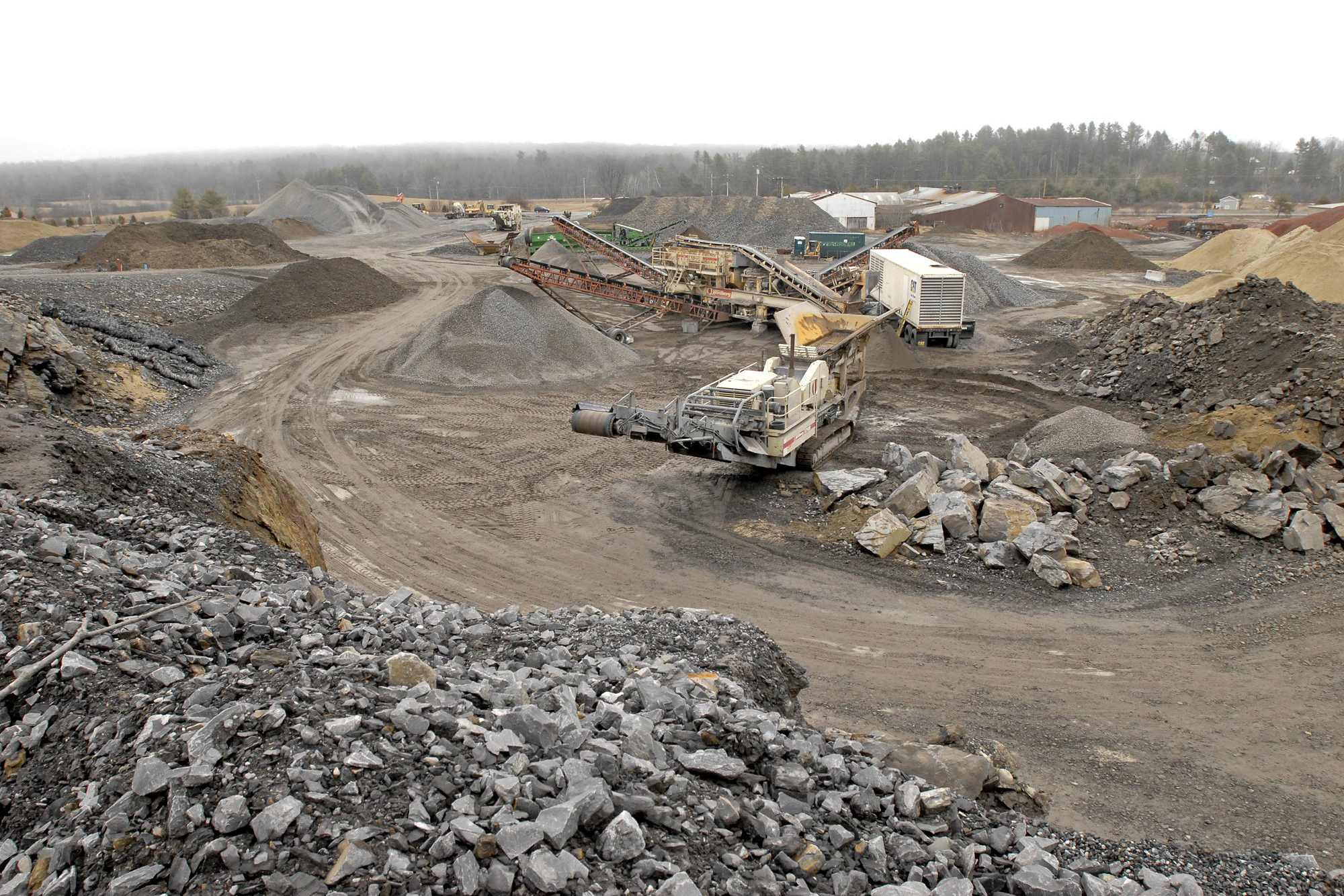
- Shaw Brothers Construction proposed expanding its Gorham Brickyard Quarry from 6.7 acres to a 26-acre parcel, raising its annual blast cap from the existing ~10–11 to 18 — a change Hamblen estimates could bring another 300 existing homes into the blast zone
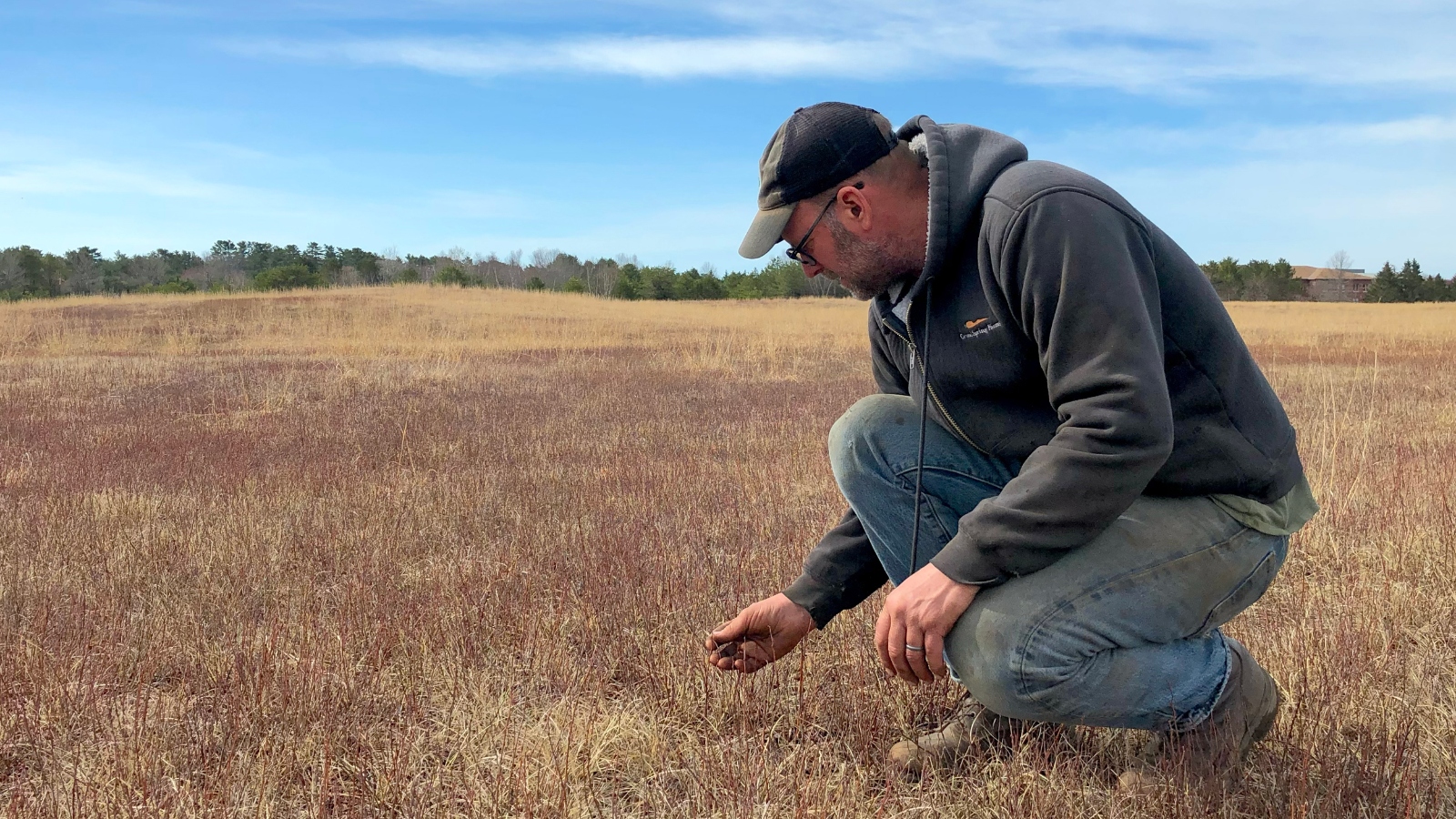
- Charlie Hamblen, whose 19th-century farmhouse was hit by more than a dozen shockwaves last year, ran for and won a Gorham town council seat in November 2025 specifically to push for stronger mineral extraction ordinances
- U.S. Geological Survey data shows the value of crushed rock, gravel and sand from Maine quarries roughly doubled from ~$100 million in 2021 to more than $220 million last year
- Gorham's planning board unanimously recommended approval of Shaw Brothers' rezoning request in early August, leaving the final decision with the town council
- Quarry neighbors across Maine report plumes of dust, suspected structural damage, and contractors who refuse to share seismic blast data from their property lines despite state requirements for public blasting reports
Why it matters: Maine towns face a direct trade-off: the same quarries supplying stone for climate-driven seawall protection are blasting closer to expanding residential neighborhoods. Gorham's upcoming council decision will test whether localities adopt the stricter extraction ordinances at least five other Maine towns are already weighing, or whether the aggregate industry — now generating over $220 million in annual output — keeps expanding under what critics call minimal state oversight of pit size, blasts, and dust.
Ask SkimNews