Ukraine braces for toughest winter since invasion — SkimNews

Get the Geopolitics newsletter
Daily geopolitics — wars, elections, sanctions, the diplomatic moves that move markets. Free.
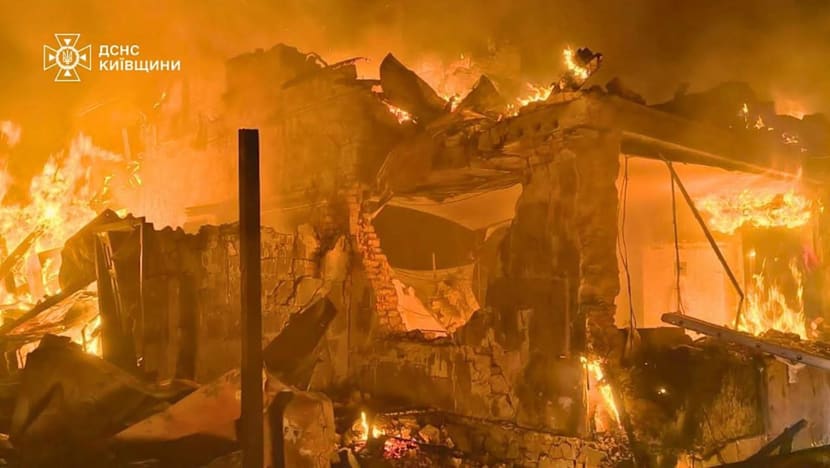
- Russian forces have ramped up missile strikes on Ukrainian cities in recent weeks, likely seeking to exploit Kyiv's acute shortage of ballistic missile interceptors ahead of winter.
- Fire Point CEO Iryna Terekh said Ukraine is trying to compress a 20-30 year missile development program into a few years — "not something you can do within a matter of three months before the winter."
- Trump told the Financial Times on July 30 he has not yet decided whether to allow Ukraine to produce Patriot surface-to-air interceptor missiles, casting doubt on one of Kyiv's most pressing demands.
- Zelenskyy confirmed Sergii Koretskyi, former CEO of state-owned gas company Naftogaz, as Ukraine's new prime minister last month, saying the appointee will help the country "make it through the winter."
- Ukraine is seeking additional funding from the European Union's 90 billion euro ($103.7 billion) financial support package and working to establish a dedicated winter aid package for energy infrastructure.
- Kurt Volker, former US Ambassador to NATO, said Putin is "on a long-term path to defeat" and will face "hard limits" by Spring, predicting he will need to accede to a ceasefire after the winter campaign.
Why it matters: Ukraine's ability to withstand a winter assault hinges on whether Trump approves Patriot missile production for Kyiv and whether the EU's €90 billion ($103.7 billion) support package arrives in time, as Russia's intensified ballistic missile campaign targets the country's electricity and heating capacity that millions depend on for survival.
Ask SkimNews