Somerset farmer grows wildflowers to flavour his cheddar — SkimNews

Get the Energy newsletter
Daily energy & climate — solar, EVs, oil, the policy fights and tech bets shaping the transition. Free.
- Tom Calver runs Westcombe dairy in Somerset and has converted six fields from uniform grass to wildflower meadows, where his cattle now graze on 19 different plant species instead of maize and Italian rye grass.
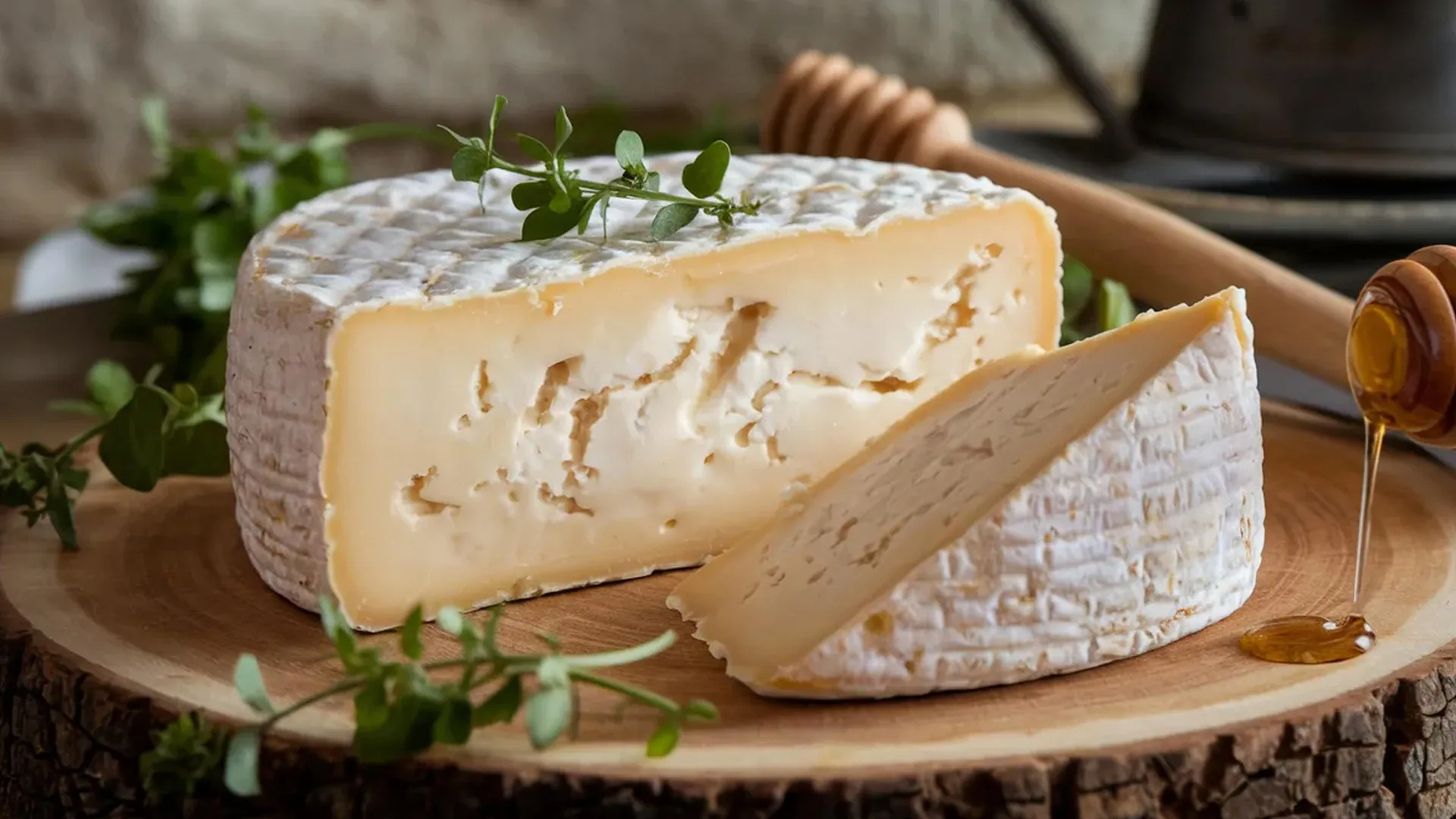
- Westcombe cheddar, a raw unpasteurised cheese, has gained what Calver calls a "meadow-flavoured" taste profile he attributes to a richer cow gut microbiome fed by diverse forage.
- Calver's approach has cost the farm milk production, and he acknowledged the method is "much more expensive" than conventional dairy farming.
- Deep-rooted wildflowers like chicory helped the farm weather this year's drought by tapping subsoil water, leaving Calver's pastures greener than neighbouring parched fields.
- Other Somerset farmers initially called Calver "nuts" for the approach, but some eyed his drought-resilient land with envy and may now take inspiration, Calver said.
- Marketing the cheese is a challenge because its flavour shifts with each batch depending on which plants dominate the cows' diet, making it hard for retailers to standardise.
Why it matters: Calver is betting ecological diversity can command a premium over commodity cheddar, but the trade-offs are real: lower milk yield, higher costs, and inconsistent flavour that retailers struggle to shelve. His drought survival adds an agronomic argument — deep-rooted wildflowers outperformed monoculture grass when Somerset fields went parched.
Ask SkimNews