Trump: Iran Deal Signs Sunday; Tehran Denies — SkimNews

Get the Geopolitics newsletter
Daily geopolitics — wars, elections, sanctions, the diplomatic moves that move markets. Free.
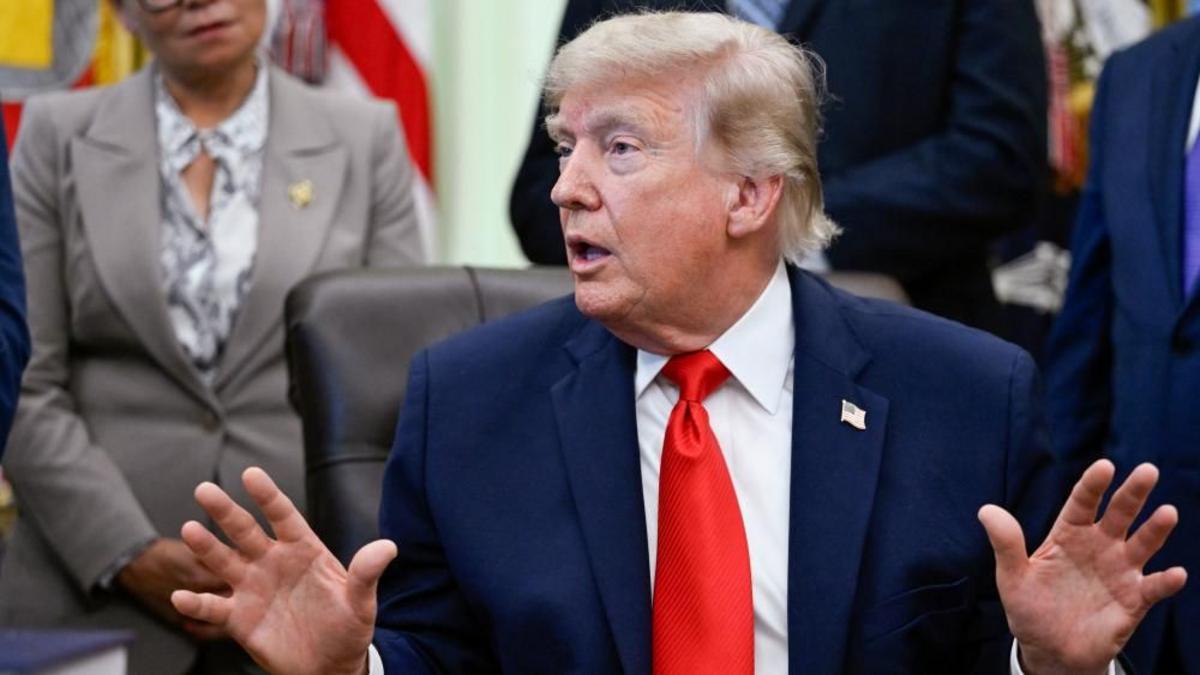
- Trump posted on Truth Social Saturday that the deal is "scheduled to get signed tomorrow" — Sunday, his 80th birthday — and that the Strait of Hormuz would immediately "OPEN TO ALL" upon signing.
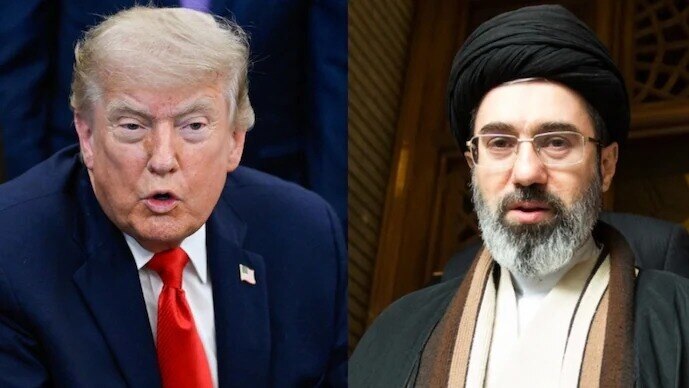
- Iran's Foreign Ministry spokesman Esmaeil Baghaei contradicted Trump, saying no memorandum of understanding would be signed Sunday and that negotiators were not planning to travel to Geneva immediately, though a signing could happen "in the coming days."
- Iranian Foreign Minister Abbas Araghchi said on Press TV that the initial MoU would only be a launch point for negotiations on Iran's nuclear programme, would trigger an immediate pause in fighting, and that Iran and Oman would continue administering the Strait of Hormuz.
- Araghchi added that lifting foreign sanctions and unfreezing Iranian assets would only be discussed after the MoU is signed, directly at odds with Trump's claim that "no money would exchange hands."
- Trump described the deal as "A WALL TO NO NUCLEAR WEAPON" and said the US would later "go in and get the Nuclear Dust" — Iran's enriched uranium stockpile — at an appropriate time.
- The US and Iran traded strikes for two days this week, threatening a pause in fighting that has held since April 8, and the latest diplomacy comes amid the US-Israeli war on Iran launched February 28.
- Trump pledged any deal would be more stringent than the 2015 JCPOA, the agreement he unilaterally withdrew from in 2018.
Why it matters: The two sides publicly disagree not just on substance but on whether a deal is hours or days away — a gap that leaves the fragile ceasefire pause in place since April 8 vulnerable to another round of strikes. Trump's claim of an immediate Hormuz reopening and a nuclear-weapons wall directly collides with Araghchi's framing of the MoU as a mere starting point with sanctions relief still to negotiate.
Ask SkimNews