Thai Sailors Sue Over Hormuz Attack That Killed 3
Get the Geopolitics newsletter
Daily geopolitics — wars, elections, sanctions, the diplomatic moves that move markets. Free.
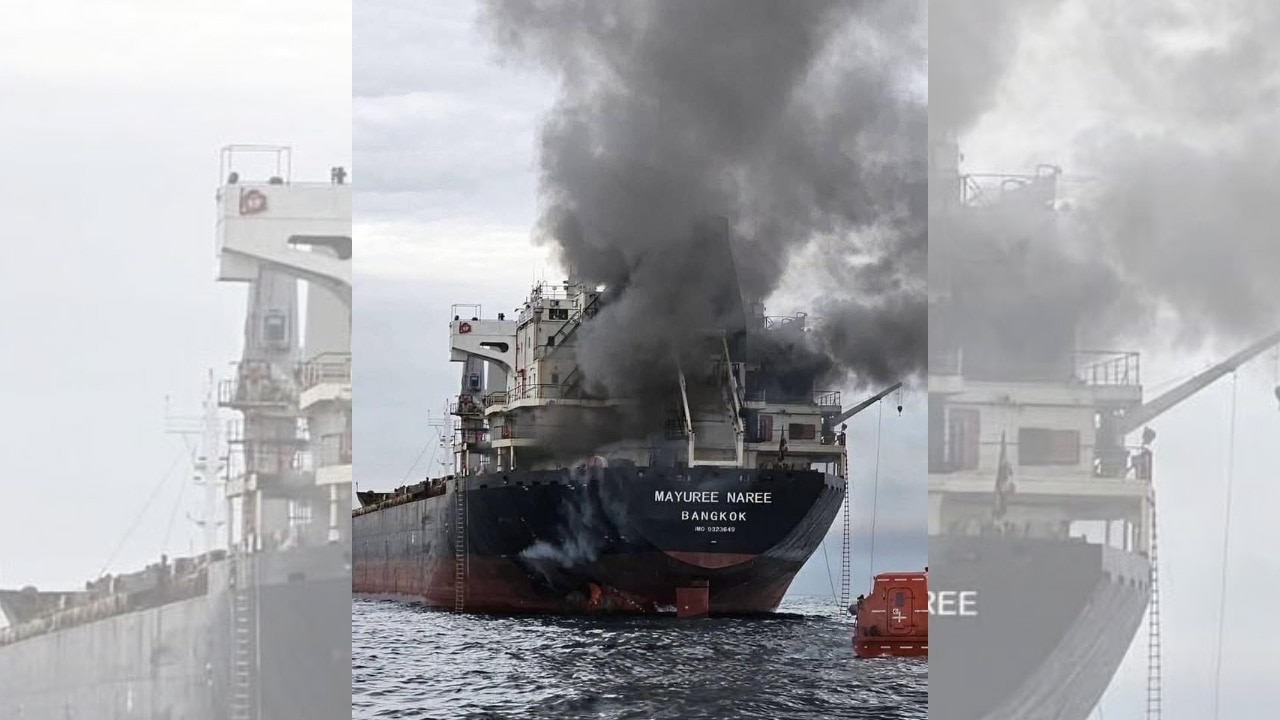
- Thailand's Labour Court accepted a petition from three Thai sailors seeking damages after the Mayuree Naree was struck by two projectiles in the Strait of Hormuz on March 11, an attack that killed three crew members and saw 20 rescued.
- The sailors are seeking at least 1 million baht each from companies and agencies linked to vessel owner Precious Shipping Plc — a company listed on the Stock Exchange of Thailand — and the vessel's captain, according to their lawyer Kunpat Singhathong.
- All three plaintiffs have been diagnosed with post-traumatic stress disorder and are unlikely to work as sailors again, their lawyer said, though no medical reports were released publicly.
- Plaintiff Panithi Tumkaew, 43, who had worked with the company for 11 years, said he now takes sedatives daily and is frightened by loud noises, leaving him unable to work.
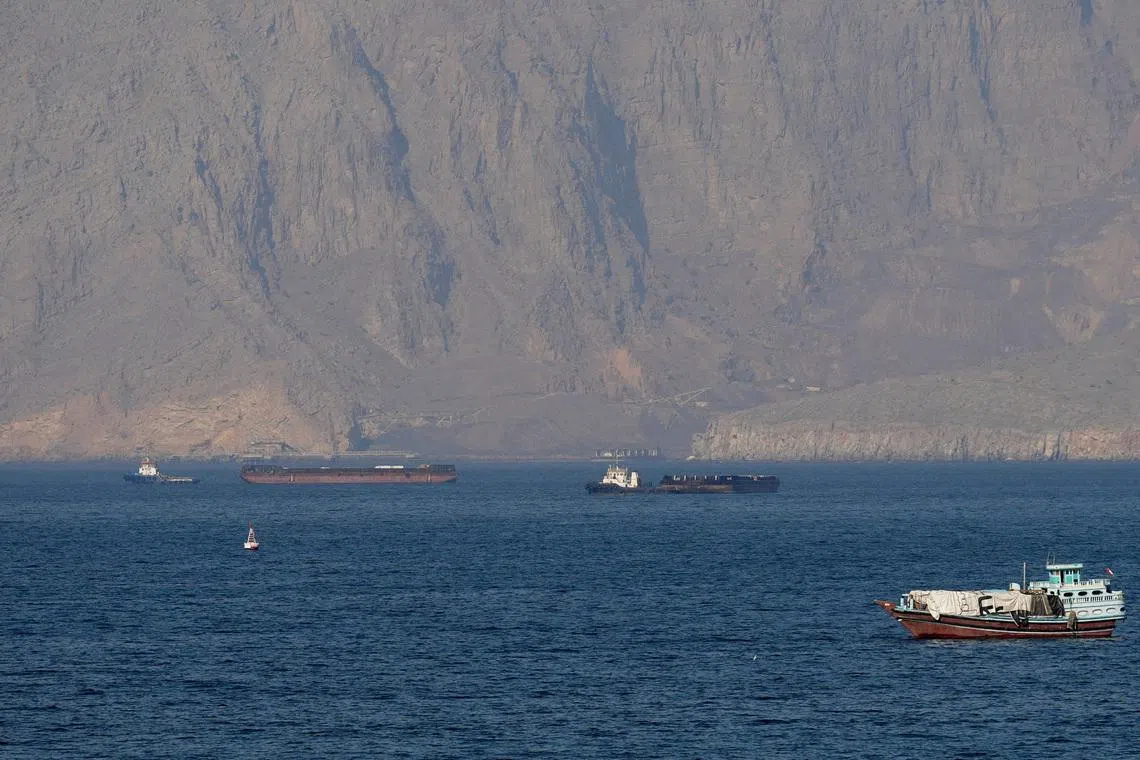
- The Mayuree Naree was struck after Iran's Revolutionary Guards warned any vessel passing through the Strait would be targeted following the Feb. 28 US-Israeli attack on Iran; several ships were hit before the Thai-flagged vessel's passage.
- Precious Shipping told the sailors it had paid all the compensation they were entitled to and would not take on additional responsibilities — a stance former crewman Noppadon Wongsuvan, 33, called inadequate and not up to international standards.
- The sailors have so far received two months' wages and compensation for lost belongings from the company.
Why it matters: Three plaintiffs diagnosed with PTSD are testing whether Precious Shipping's argument that standard compensation is sufficient holds up in a Thai labor court — the company controls a publicly listed fleet but sent sailors into a corridor Iran had explicitly declared a target zone. If the court awards more than what has already been paid, it establishes that Thai maritime employers bear legal liability for routing decisions during active conflicts, not just contractual severance.