WashU Finds Immune Hubs in Skull That Fight Brain Tumors — SkimNews
Get the Health newsletter
Daily health & science — research, biotech, public health, the studies worth knowing. Free.
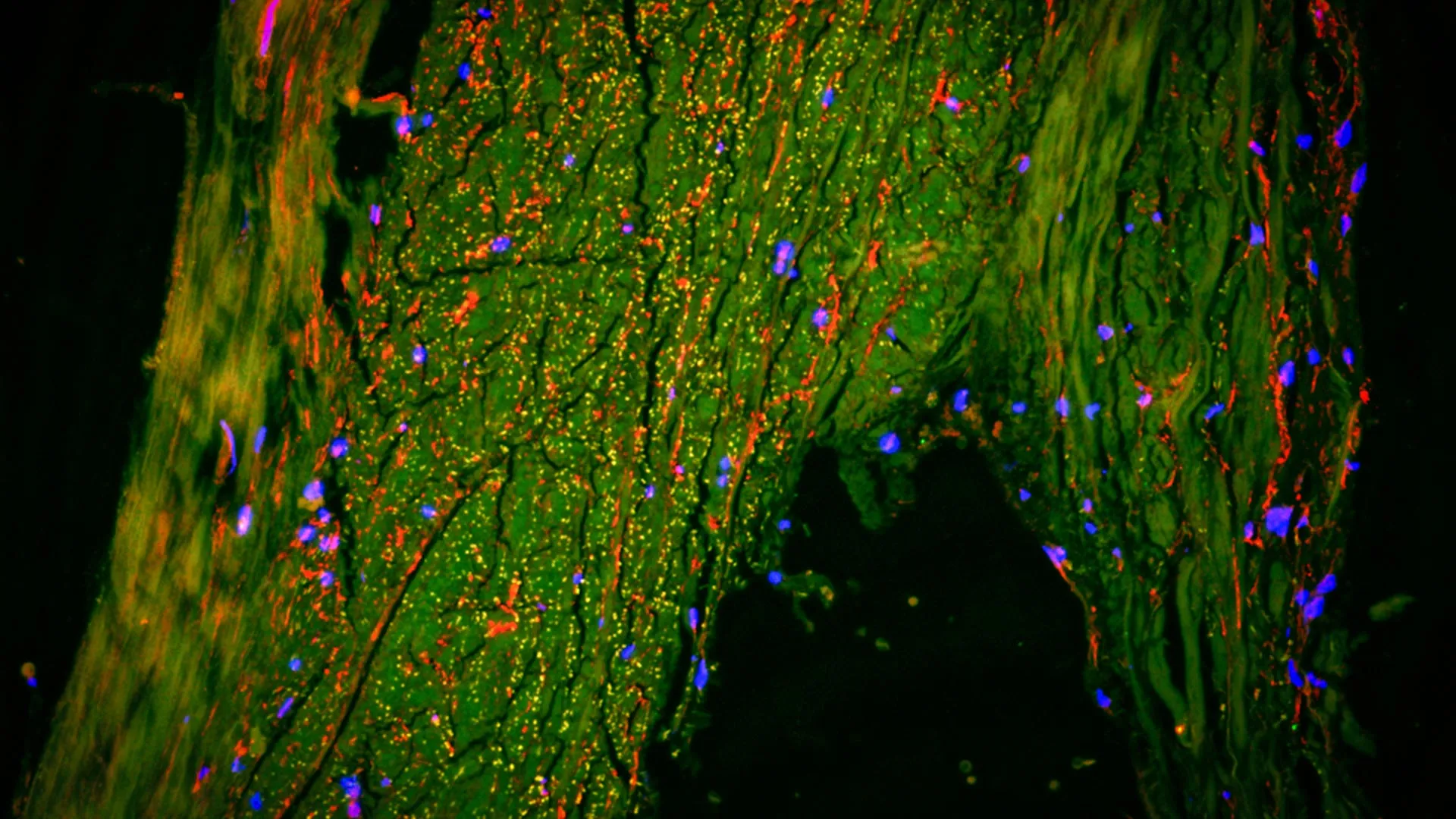
- WashU Medicine researchers identified previously unknown lymph node-like immune structures in mouse skull bone marrow, with similar immune cells also detected in human skull bone marrow, suggesting the defense system isn't limited to mice.
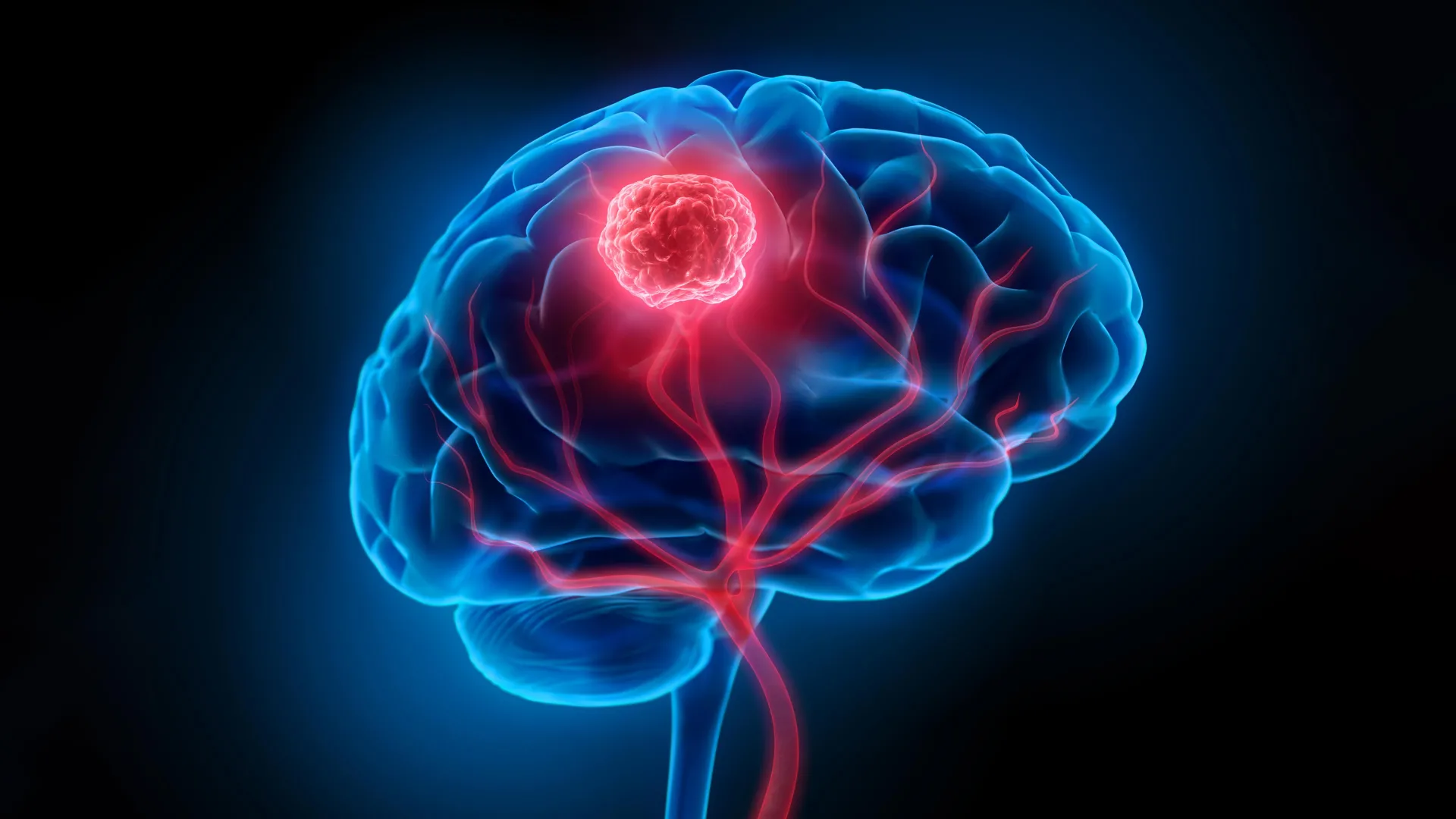
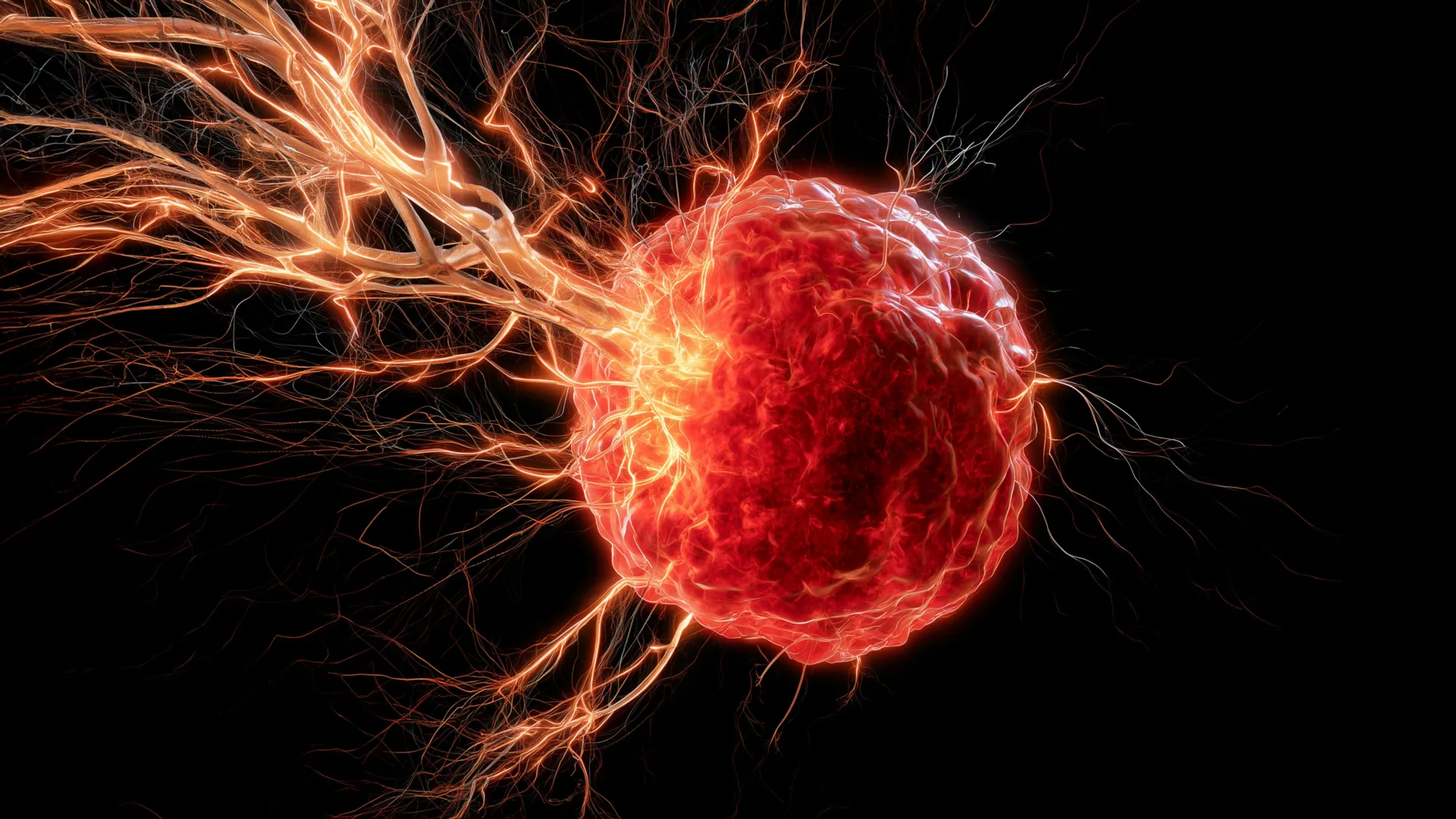
- In a glioblastoma mouse model, disrupting the skull immune hubs with a drug caused tumors to grow faster and shortened survival, evidence that the local structures actively defend the brain.
- A gel combining three immune-boosting proteins, placed directly under the scalp, triggered a surge of tumor-fighting immune activity first in skull bone marrow hubs and only later in nearby lymph nodes — treated mice rejected tumors more effectively and lived longer than controls.
- The discovery builds on Kipnis' lab's prior finding of lymphatic vessels in the dura mater and tiny physical channels that bridge skull, dura, and brain tissue, providing a direct conduit for immune cells and waste.
- First author Jang Hyun Park, a Kipnis lab postdoc heading to the Korea Advanced Institute of Science and Technology, called the structures proof that "a complex brain requires its own specialized immune structures to defend it."
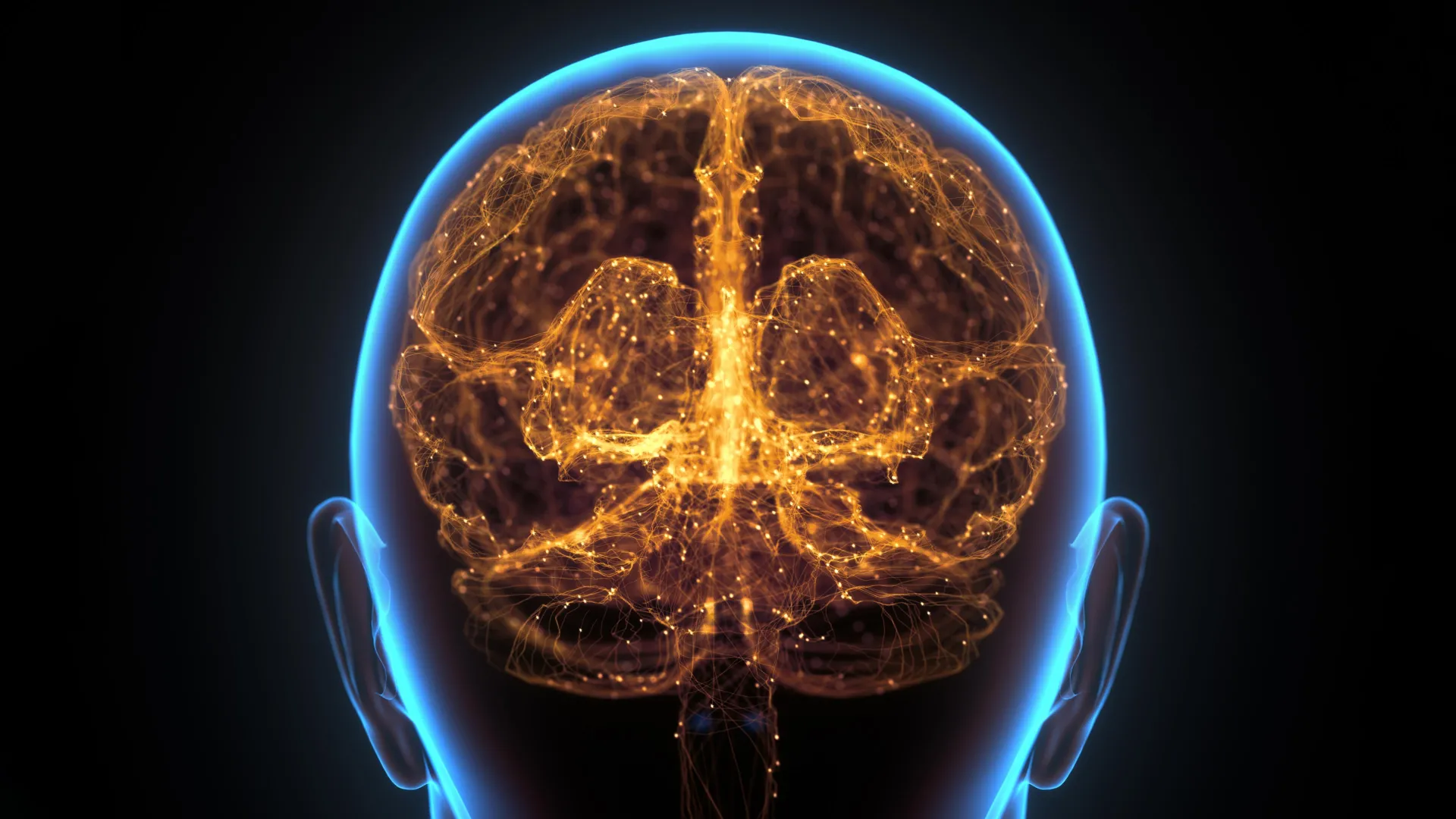
Why it matters: The discovery gives researchers a concrete drug-delivery target sitting millimeters from the brain: skull bone marrow. Kipnis argues future therapies could access these hubs directly through the skull, potentially avoiding the broad peripheral side effects of systemic immunotherapy for brain tumors, Alzheimer's, Parkinson's, and other neurological diseases with immune components.
Ask SkimNews