MUSC MRI Catches Brain's Hidden Drainage in Action — SkimNews
Get the Health newsletter
Daily health & science — research, biotech, public health, the studies worth knowing. Free.
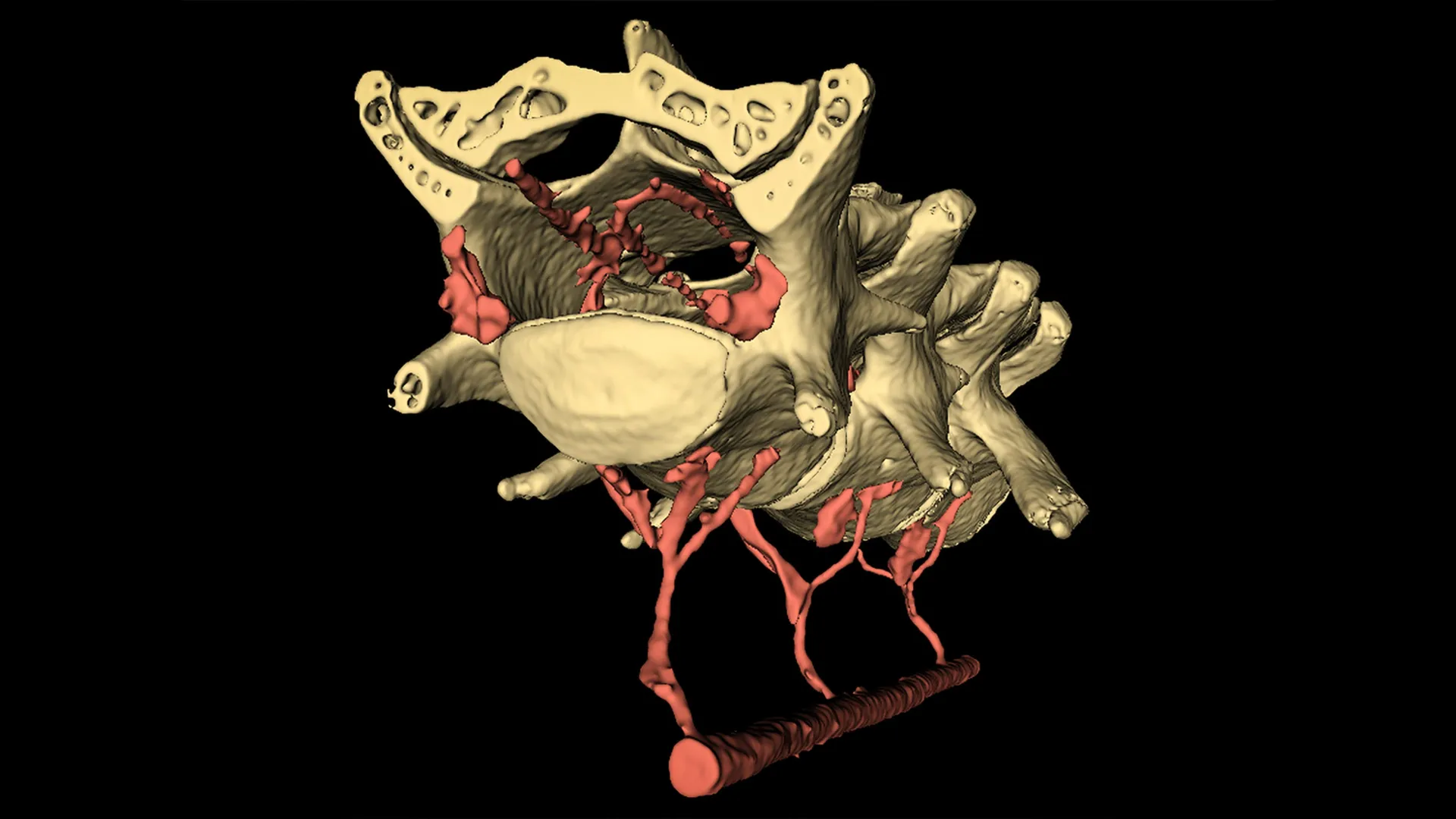
- MUSC researchers used NASA-developed real-time MRI to monitor fluid flow along the middle meningeal artery in five healthy individuals over six hours, observing a slow, steady pattern distinct from blood flow.
- Lead researcher Onder Albayram noted the fluid's sluggish movement — unlike the fast, dynamic flow of blood — indicated lymphatic rather than circulatory function, calling it "slower, more like drainage."
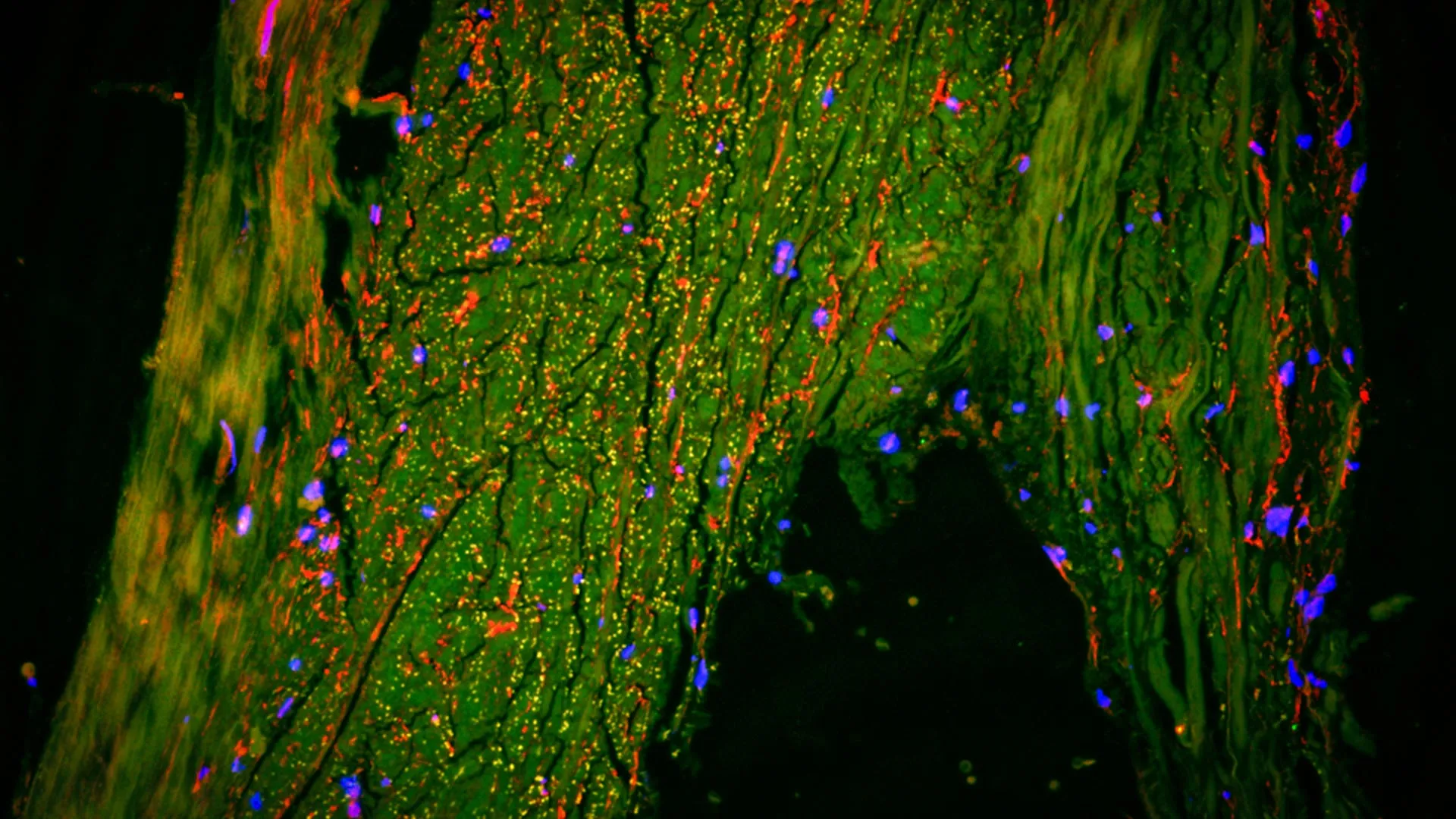
- The iScience study provides the first direct evidence in humans of a previously unknown control point in the brain's waste-clearance system, with collaborators at Cornell University confirming lymphatic-type cells surround the artery via ultra high-resolution tissue imaging.
- Albayram's prior 2022 Nature Communications work had visualized meningeal lymphatic vessels in humans; this new study is the first to capture real-time fluid movement deep within those structures.
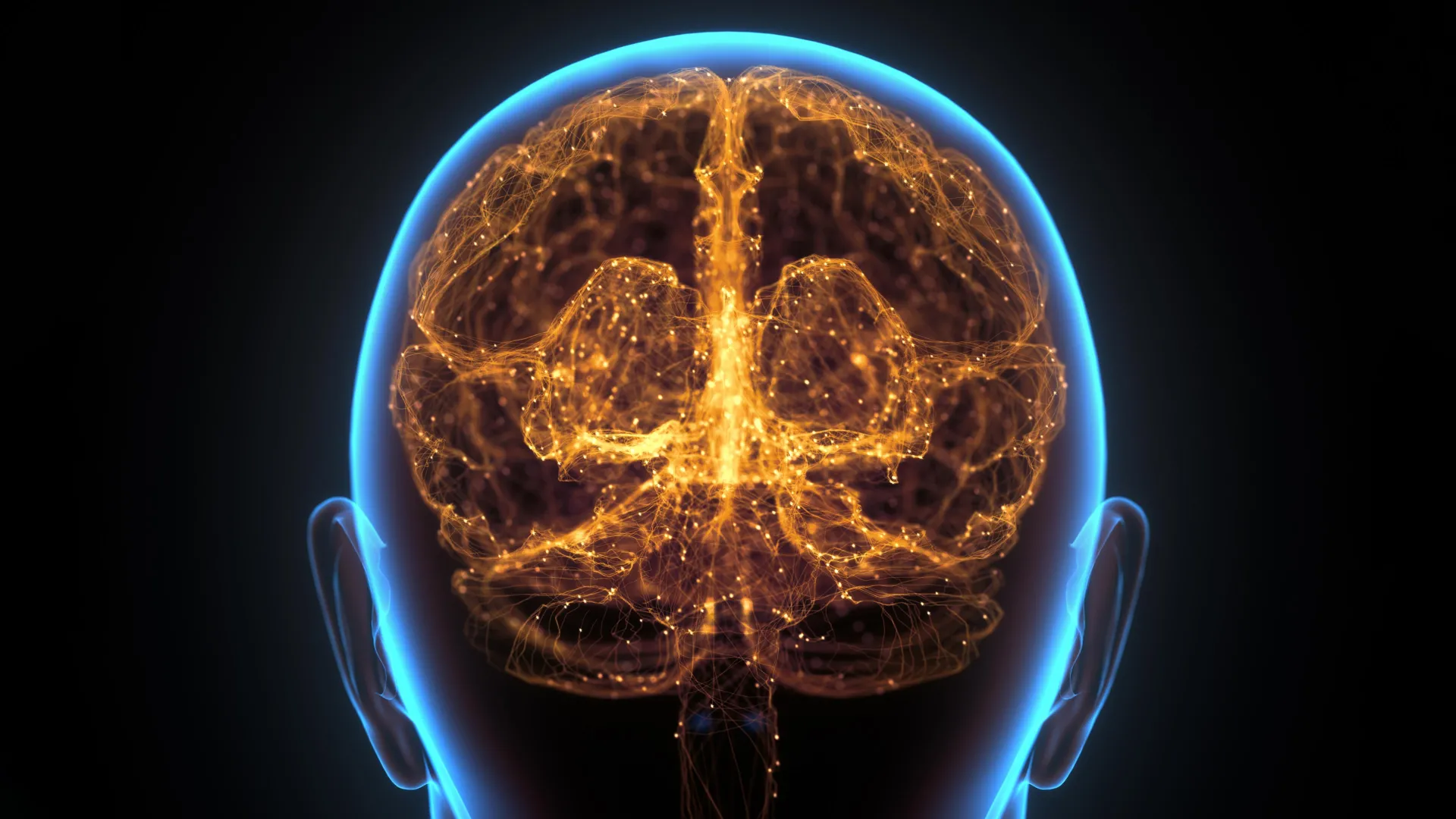
- The discovery establishes a baseline for healthy brain drainage — what Albayram calls knowing what "normal" looks like — which researchers need before identifying breakdowns linked to Alzheimer's, traumatic brain injury, and other neurodegenerative conditions.
- The team is now extending the work to study how this drainage system behaves in people with neurodegenerative diseases, with the long-term goal of earlier diagnosis and more effective treatments.
Why it matters: This is the first real-time confirmation in living humans of a lymphatic drainage hub along the middle meningeal artery — prior evidence came from tissue samples, static imaging, or animal models. The MUSC team stresses that establishing how a healthy brain drains fluid is the prerequisite for catching early breakdowns in Alzheimer's and related diseases, giving researchers a structural baseline and target they previously lacked in human subjects.
Ask SkimNews