The eye has a hidden cleanup system scientists never knew existed — SkimNews
Get the Health newsletter
Daily health & science — research, biotech, public health, the studies worth knowing. Free.
- Researchers from UBC and the University of Toronto identified a previously unknown drainage route at the back of the eye called the posterior ocular lymphatic outflow (POLO) pathway, which carries fluid and waste into the body's lymphatic system.
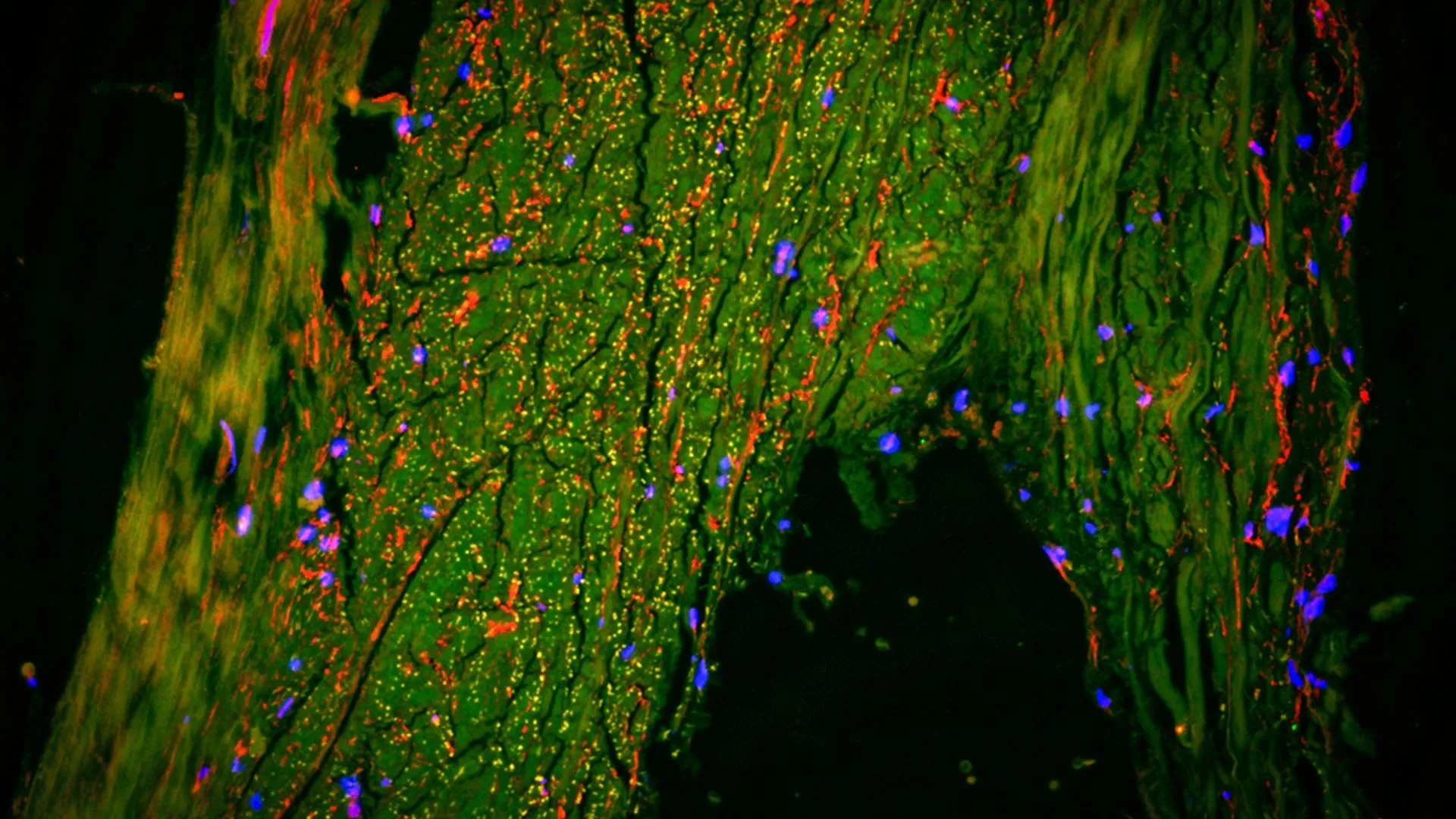
- The discovery was demonstrated in mice using fluorescent tracer molecules, MRI, and near-infrared fluorescence imaging; tracers placed in the rear of the eye reached nearby lymph nodes within minutes, revealing previously unrecognized lymphatic vessels in the choroid layer beneath the retina.
- Dr. Neeru Gupta, head of UBC's department of ophthalmology and visual sciences, and Dr. Yeni Yücel, director of ophthalmic pathology at the University of Toronto, led the research, extending their 2009 discovery of the "uveolymphatic" drainage pathway in the front of the eye.
- The finding challenges a 100+ year-old assumption that the eye lacks lymphatic drainage, offering what the researchers call a new framework for understanding how the retina clears metabolic waste.
- Age-related macular degeneration affects approximately 2.5 million Canadians, according to the source, underscoring the scale of the patient population that could eventually benefit from therapies targeting the POLO pathway.
- The study was published in Translational Vision Science & Technology and funded by the Canadian Institutes of Health Research, Glaucoma Research Society of Canada, Canadian Space Agency, and several other Canadian research funds.
Why it matters: For the roughly 2.5 million Canadians with age-related macular degeneration and the millions more worldwide with glaucoma, the POLO pathway gives researchers an entirely new anatomical drug target where none existed before. The discovery is foundational rather than therapeutic — demonstrated only in mice — but it reframes how the retina clears waste and could eventually reshape treatment of the leading causes of permanent blindness.
Ask SkimNews